
Plant · GBIF taxon 2874718
Begonia semperflorens
Begonia semperflorensAlso known as Wax Begonia, Clubbed Begonia, Perpetual Begonia, Bedding Begonia
Wax begonias form compact mounds of thick, shiny leaves paired with delicate clusters of four-petaled flowers in shades of white, pink, and red. Native to South American grasslands and riverbanks, these resilient plants produce blooms continuously from spring until the first winter freeze. Thick, succulent stems hold moisture efficiently, enabling them to endure brief periods of dry soil in sunny garden borders.
FloweringOrnamentalGlossy Leaves
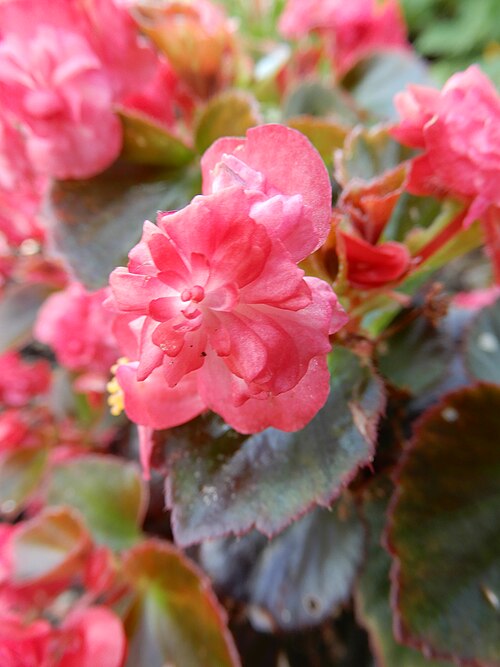
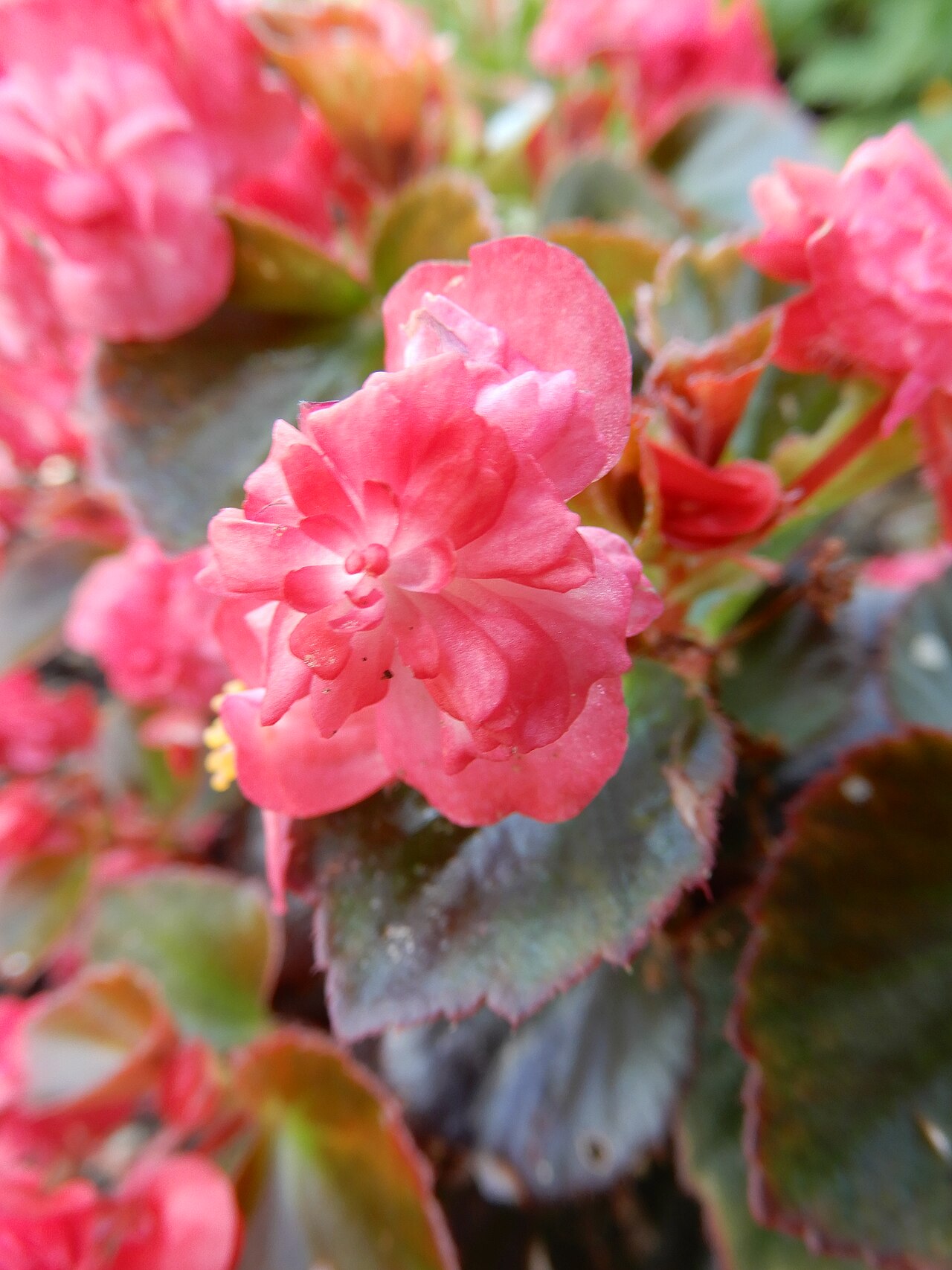
Licensed referenceZythème / CC0 · cc0
—observations
—countries
—peak records
Least ConcernConservation statusIUCN Red List categoriesLCNTVUENCREWEXLeast ConcernRed List categories, explained →
Diet & prey
- Sunlight
- Soil Nutrients
- Water
Predators
- Snails
- Slugs
- Caterpillars
ThreatsSevere frost, root rot from overwatering, and fungal leaf spot
HabitatsSubtropical grasslands, damp woodlands, riverbanks, and cultivated landscapes
Life span2–5 years (grown as an annual in temperate climates)
Classification
- OrderCucurbitales
- FamilyBegoniaceae
- GenusBegonia
- SpeciesBegonia semperflorens
Range data is not available yet.
Interaction riskHigh
- Low
- Moderate
- High
- Very high
- Why interaction risk is high
- Toxic to dogs and cats if ingested; keep away from household pets.
- Why it is dangerous
- Contains soluble calcium oxalates concentrated in stems and roots, causing intense oral burning, drooling, and vomiting in pets if chewed.
- How to recognize a risky encounter
- Look for glossy rounded leaves, succulent stems, and continuous clusters of white, pink, or red blooms.
- What to do
- Place pots out of reach of cats and dogs, and wear garden gloves when heavy pruning.
Responsible observation
- Light Needs: Position in bright, indirect sunlight or light shade to avoid leaf scorch.
- Soil Requirements: Plant in rich, well-draining soil mix to prevent root rot.
- Winter Protection: Bring potted plants indoors before the first autumn frost in cool zones.
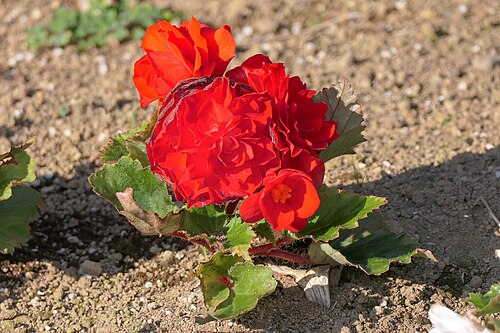
Garden Companion MaedaAkihiko / CC BY-SA 4.0 · cc-by-sa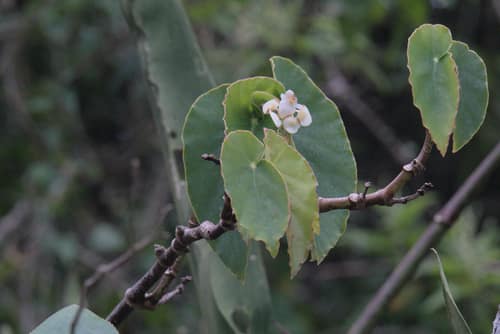
Close Relative (c) filipeprates, some rights reserved (CC BY) · cc-by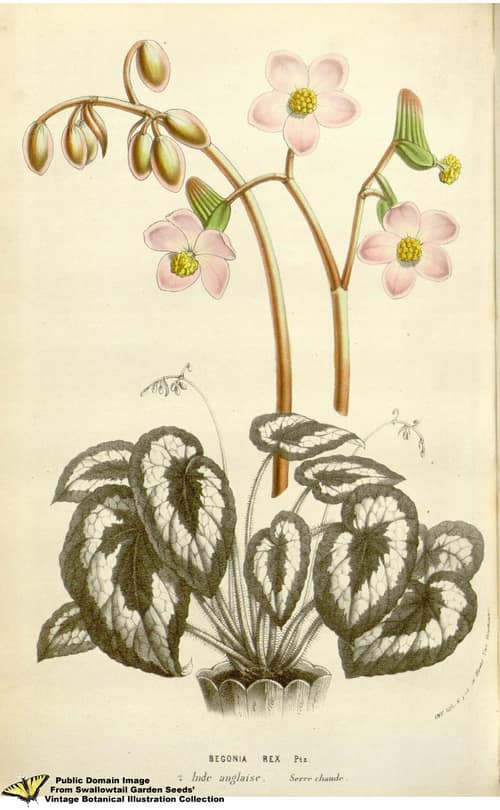
Close Relative Swallowtail Garden Seeds / Public domain · cc0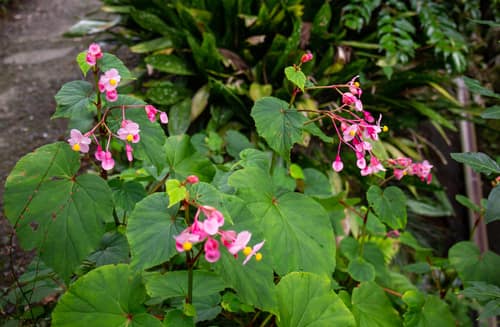
Close Relative (c) Jernej Polajnar, some rights reserved (CC BY), uploaded by Jernej Polajnar · cc-by
Help improve the field guideSomething wrong?
Checking your Fauna account…Report a name, category, or profile issue for review.