
Plant · GBIF taxon 8374675
Tuberous Begonia
Begonia tuberhybridaAlso known as Tuberhybrida Begonia
Tuberous begonias are shade-loving ornamental hybrids prized for their massive, brilliant blossoms that bloom profusely from early summer through late autumn. They produce asymmetrical, succulent foliage and separate male and female flowers on the same stem, with male blooms typically displaying larger, more elaborate petals. Underground, fleshy swollen tubers store moisture and nutrients, allowing the plant to survive winter dormancy when foliage dies back.
Shade TolerantShowy BloomOrnamental
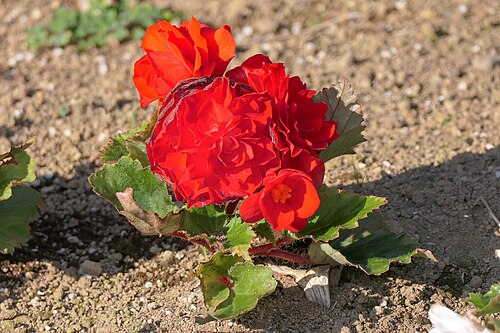
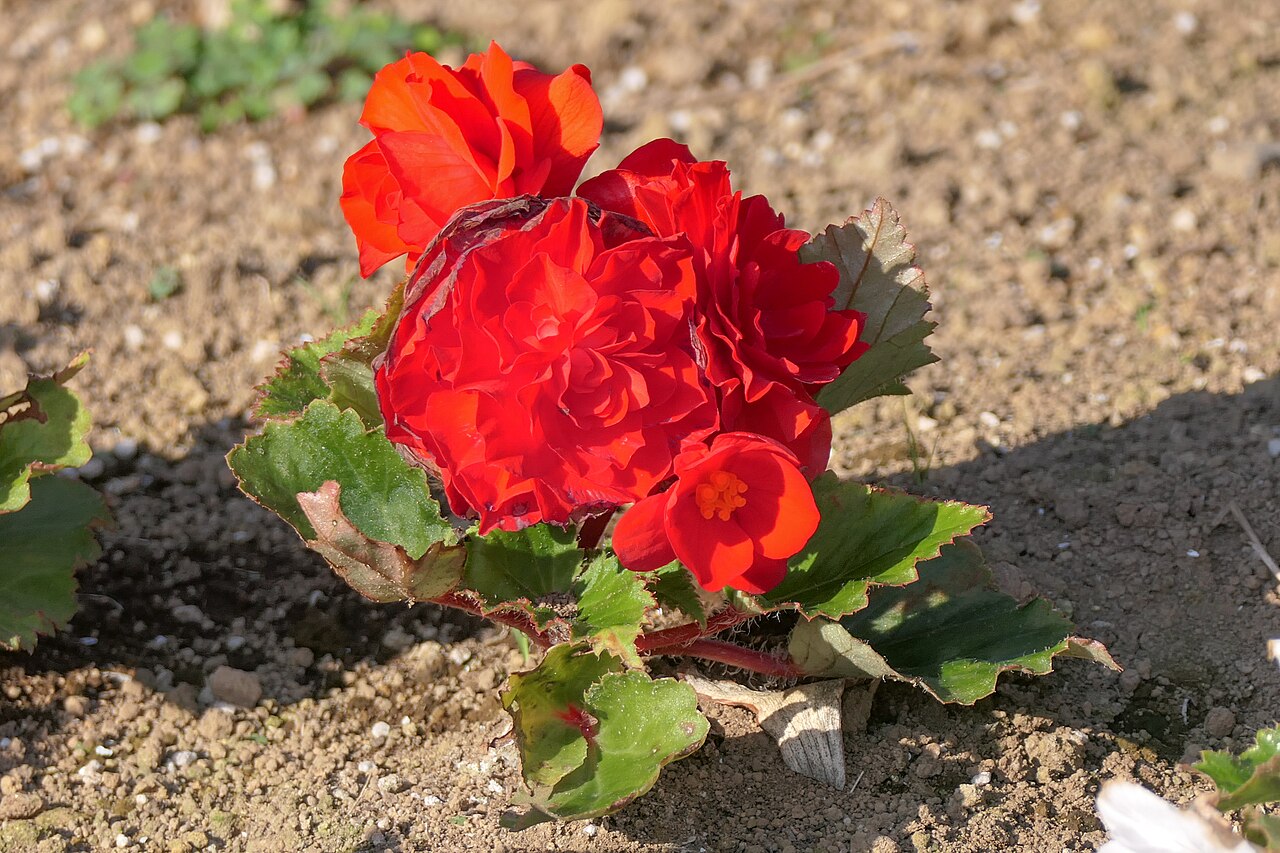
Licensed referenceMaedaAkihiko / CC BY-SA 4.0 · cc-by-sa
—observations
—countries
—peak records
Not EvaluatedConservation statusIUCN Red List categoriesLCNTVUENCREWEXNot Evaluated — not placed on the risk ladderRed List categories, explained →
Diet & prey
- Autotrophic (Photosynthesis)
Predators
- Snails
- Slugs
- Vine Weevils
ThreatsFreezing temperatures, powdery mildew, tuber rot
HabitatsGardens, shaded beds, hanging baskets, greenhouse displays
Life spanPerennial (indefinite through overwintered tubers)
Classification
- OrderCucurbitales
- FamilyBegoniaceae
- GenusBegonia
- SpeciesBegonia tuberhybrida
Range data is not available yet.
Interaction riskHigh
- Low
- Moderate
- High
- Very high
- Why interaction risk is high
- Tubers contain soluble calcium oxalates toxic to pets if ingested; keep out of reach of domestic animals.
- Why it is dangerous
- Tubers and stems contain concentrated soluble calcium oxalates, causing intense oral burning, excessive drooling, and vomiting in cats and dogs.
- How to recognize a risky encounter
- Recognized by fleshy asymmetrical leaves and dramatic, rose-like double flowers in shades of red, pink, yellow, or white.
- What to do
- Position potted plants safely away from pets and wear gardening gloves when division or handling of crushed tubers is required.
Responsible observation
- Lighting: Place in bright, indirect sunlight or dappled shade to protect fleshy leaves from scorching.
- Watering: Allow the top layer of soil to dry between waterings, avoiding moisture on open leaves.
- Overwintering: Lift tubers after autumn frost kills top growth, then store in cool, dry peat moss.
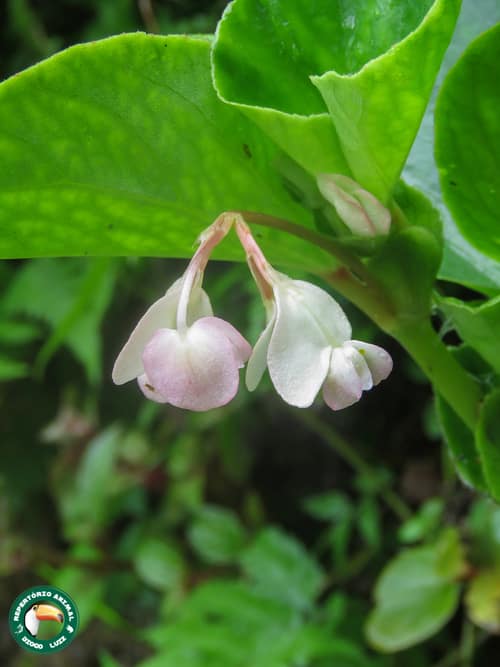
Close Relative (c) Diogo Luiz, some rights reserved (CC BY) · cc-by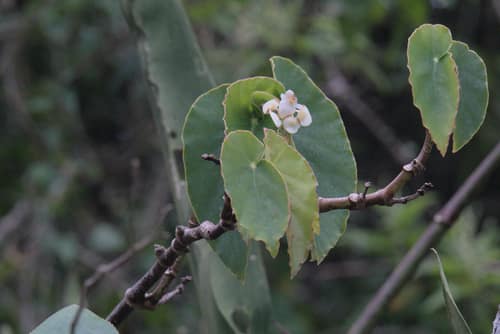
Close Relative (c) filipeprates, some rights reserved (CC BY) · cc-by Image unavailable
Hybrid Relative
Help improve the field guideSomething wrong?
Checking your Fauna account…Report a name, category, or profile issue for review.