
Plant
Purple Passionflower
Passiflora incarnataAlso known as Maypop, True Passionflower, Wild Apricot, Wild Passion Vine
Purple passionflower climbs rapidly through thickets and across sunny fields using curling tendrils to anchor itself. Complex purplish-pink flowers bloom throughout midsummer, featuring a fringe of wavy filaments above prominent central stigmas and stamens designed for large bees. As a primary host plant for native butterflies, the vine often supports spiky orange caterpillars that feed on foliage before transforming into chrysalises.
Climbing VineFloweringHost Plant
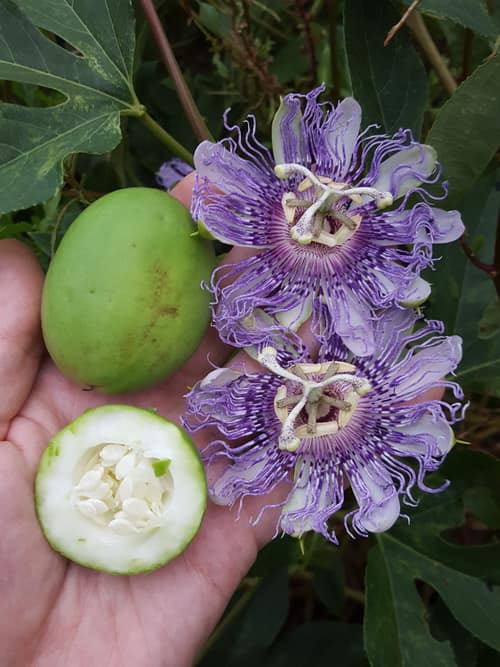

—observations
—countries
—peak records
Least ConcernConservation statusIUCN Red List categoriesLCNTVUENCREWEXLeast ConcernRed List categories, explained →
Diet & preySunlight, Water, Soil Minerals
Predators
- Gulf Fritillary Caterpillars
- Zebra Longwing Caterpillars
- White-tailed Deer
ThreatsHerbicides, land development
HabitatsFields, thickets, fencerows, riverbanks, roadsides
Life spanPerennial (5–10+ years)
Classification
- OrderMalpighiales
- FamilyPassifloraceae
- GenusPassiflora
- SpeciesPassiflora incarnata
Range data is not available yet.
Interaction riskHigh
- Low
- Moderate
- High
- Very high
- Why interaction risk is high
- Wild fruits have toxic look-alikes; never eat based on app identification alone.
Responsible observation
- Observe Pollinators: Watch large bumblebees and carpenter bees navigate the complex central floral structure.
- Check for Larvae: Search leaf undersides for bright spiky caterpillars that rely on the vine for food.

Host Plant Consumer (c) Leonel Roget, some rights reserved (CC BY), uploaded by Leonel Roget · cc-by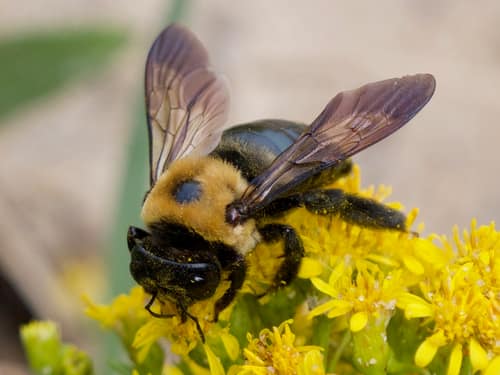
Pollinator (c) Christopher Eliot, some rights reserved (CC BY), uploaded by Christopher Eliot · cc-by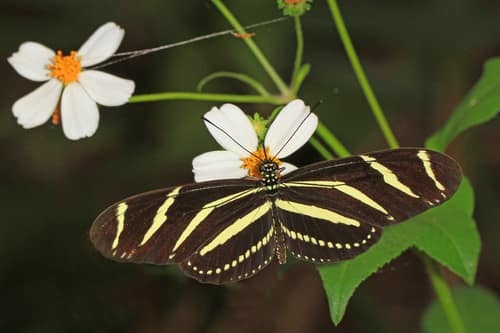
Host Plant Consumer (c) Judy Gallagher, some rights reserved (CC BY) · cc-by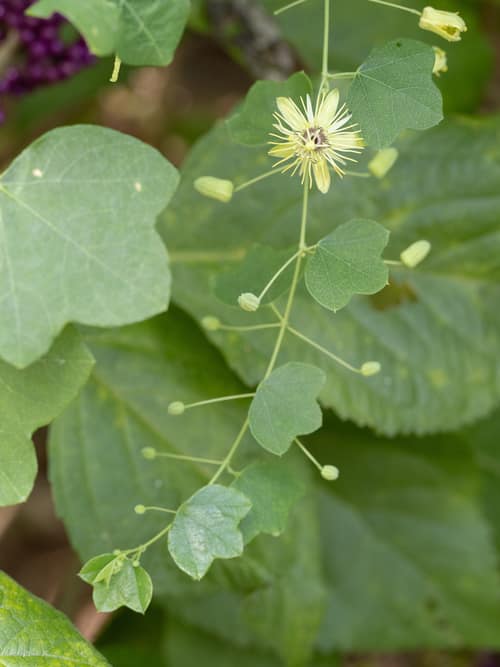
Close Relative (c) Turner Brockman, some rights reserved (CC BY-SA), uploaded by Turner Brockman · cc-by-sa
Help improve the field guideSomething wrong?
Checking your Fauna account…Report a name, category, or profile issue for review.