Also known as Red Passionflower, Scarlet Passionflower
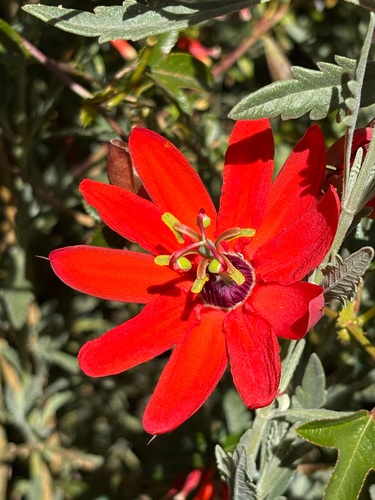
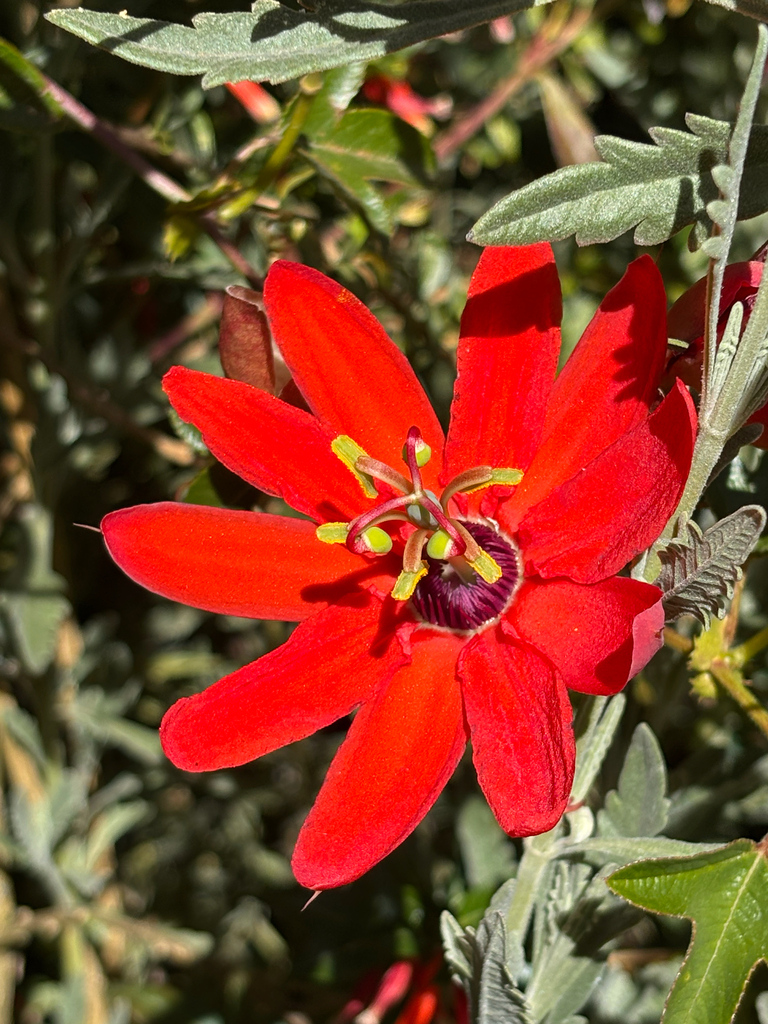
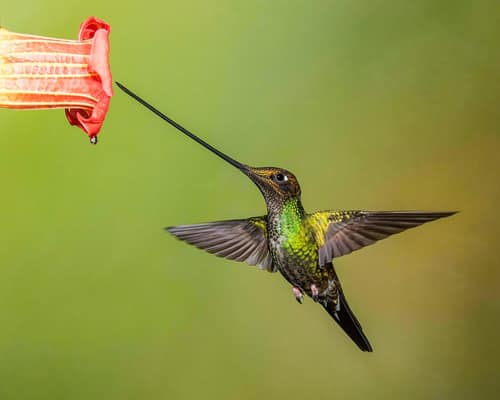
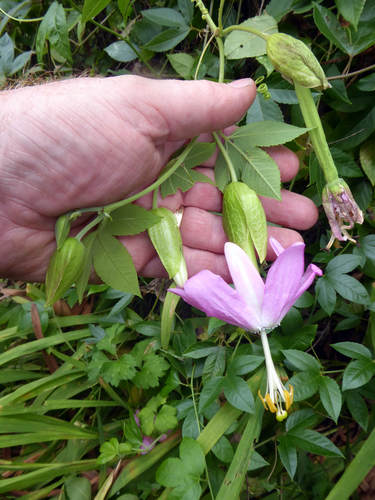
Passiflora manicata is a vigorous climbing vine native to the northern Andes, where it scrambles over shrubs and trees using wiry tendrils. Its brilliant scarlet-red flowers feature a compact, dark purple corona ringed around a central nectar chamber tailored for visiting hummingbirds. Like many passionflowers, the foliage synthesizes defensive cyanogenic compounds that deter generalist herbivores while hosting specialized passion-vine caterpillars.
Not EvaluatedConservation statusIUCN Red List categoriesLCNTVUENCREWEXNot Evaluated — not placed on the risk ladderRed List categories, explained →
Key facts
Diet & preyAutotrophic (photosynthetic)
Predators
Heliconius caterpillars
Flea beetles
Spider mites
ThreatsHabitat clearing for agriculture and urban expansion in montane valleys
HabitatsMontane cloud forests, Andean scrublands, ravine edges, and roadside thickets
Life span10–25 years
Classification
OrderMalpighiales
FamilyPassifloraceae
GenusPassiflora
SpeciesPassiflora manicata
Range & activity
Range data is not available yet.
Safe observation
Interaction riskHigh
Low
Moderate
High
Very high
Why interaction risk is high
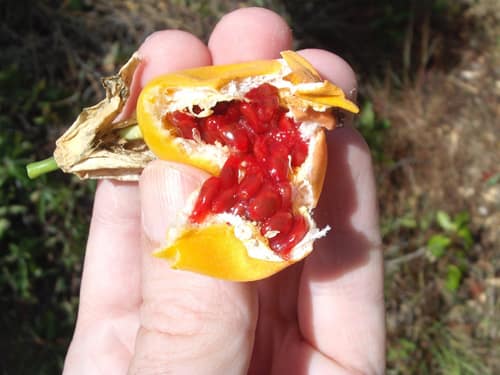
Foliage and unripe fruits contain cyanogenic compounds; wild fruits have toxic look-alikes, so never ingest based on app identification.
Why it is dangerous
Vegetative parts and unripe fruits contain cyanogenic glycosides that degrade into toxic cyanide compounds, triggering gastrointestinal distress and nausea if chewed or eaten.
How to recognize a risky encounter
Look for glossy three-lobed leaves with serrate margins, wiry axillary tendrils, and vivid scarlet flowers bearing a dark purple corona.
What to do
Wash hands after cutting or handling crushed vines, and prevent curious household pets from chewing on foliage.
Responsible observation
Viewing flowers: Scan sunny forest borders and roadside thickets between 1,500 and 3,000 meters elevation where blossoms open to full sun.
Watching pollinators: Remain still near open blossoms during sunny mornings to watch territorial hummingbirds defend nectar-rich blooms.