
Plant · GBIF taxon 2871533
Elephant-foot Yam
Amorphophallus paeoniifoliusAlso known as Whitespot Giant Arum, Suran, Jimmikand, Elephant Yam
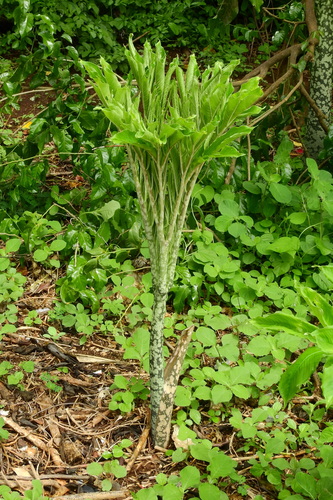
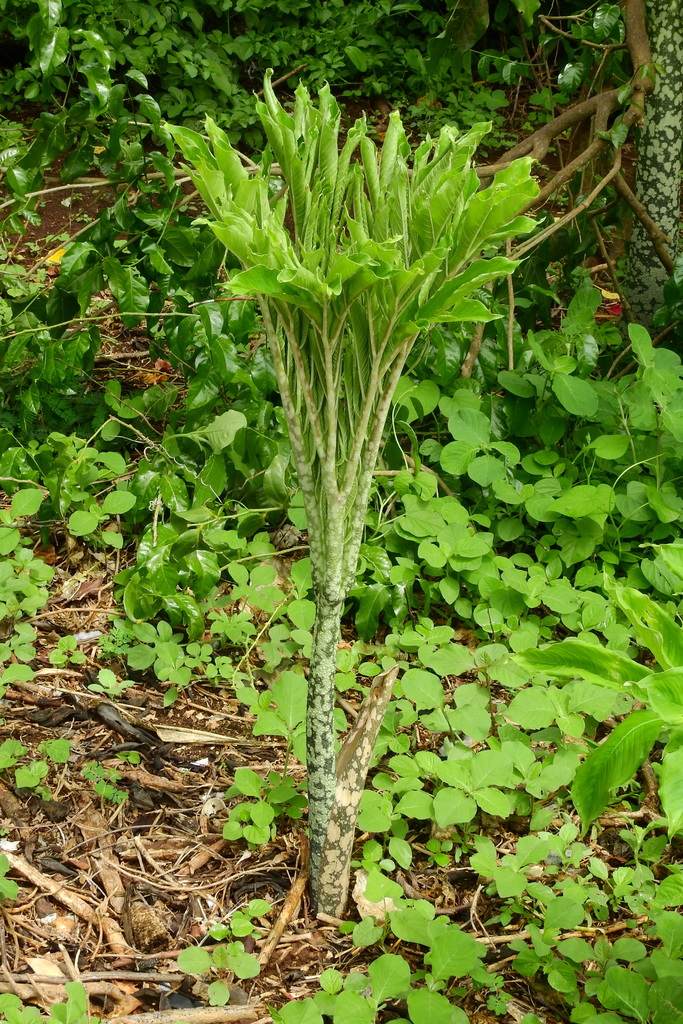
Elephant-foot yam produces a massive, umbrella-like single leaf supported by a thick, mottled stem that arises from a heavy underground corm. During its brief blooming phase, the plant emits a powerful odor of decaying meat to attract flesh flies and carrion beetles for pollination. Native to tropical Southeast Asia, this distinctive arum has been widely cultivated throughout the tropics for its nutrient-rich corms.
TropicalFloweringTuberous
—observations
—countries
—peak records
Least ConcernConservation statusIUCN Red List categoriesLCNTVUENCREWEXLeast ConcernRed List categories, explained →
Diet & prey
- Autotrophic (Photosynthetic)
Predators
- Wild Boars
- Porcupines
- Nematodes
ThreatsAgricultural expansion and wild corm overharvesting in native habitats
HabitatsTropical rainforests, monsoon woodlands, thickets, and agricultural land
Life spanPerennial (corm persists for decades)
Classification
- FamilyAraceae
- SpeciesAmorphophallus paeoniifolius
Range data is not available yet.
Interaction riskHigh
- Low
- Moderate
- High
- Very high
- Why interaction risk is high
- Raw tissues contain microscopic calcium oxalate crystals that cause severe pain and skin irritation; do not consume raw.
- Why it is dangerous
- Contains calcium oxalate raphides, which function like microscopic glass needles that cause painful swelling and burning in skin and mucous membranes.
- How to recognize a risky encounter
- Recognized by its tall single leaf with three main divisions atop a fleshy, spotted petiole emerging from a flattened subterranean corm.
- What to do
- Never handle broken raw plant tissue with bare skin, and keep all raw plant parts away from pets and children.
Responsible observation
- Observation: Look for the distinctive purplish spathe and ruffled spadix during the early monsoon blooming period.
- Handling: Wear gloves when handling raw tubers, as the sap contains acrid calcium oxalate crystals.
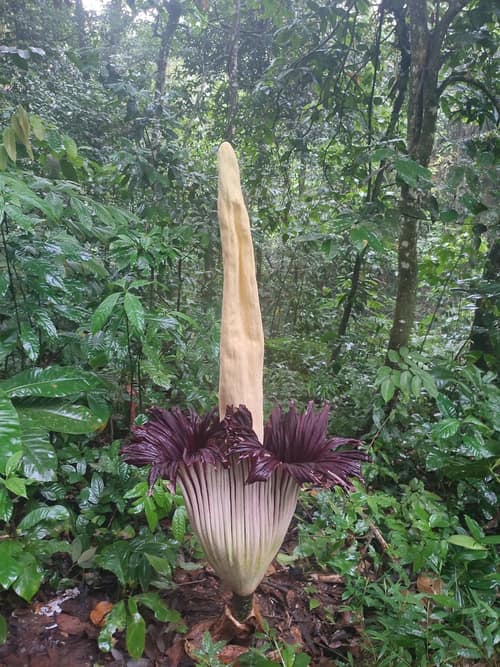
Close Relative (c) Samuel GUIRAUDOU, some rights reserved (CC BY) · cc-by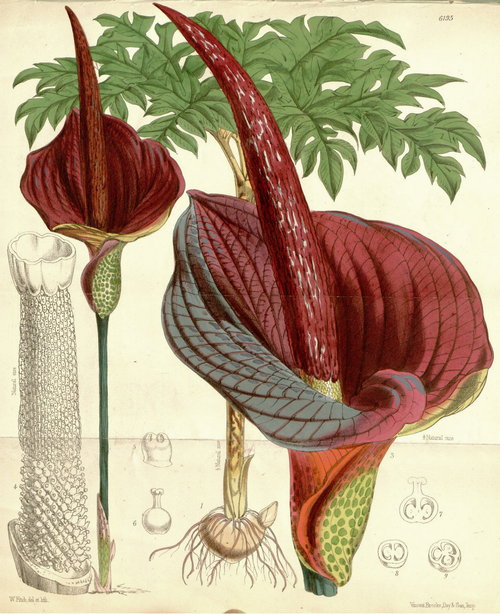
Close Relative Walter Hood Fitch / Public domain · cc0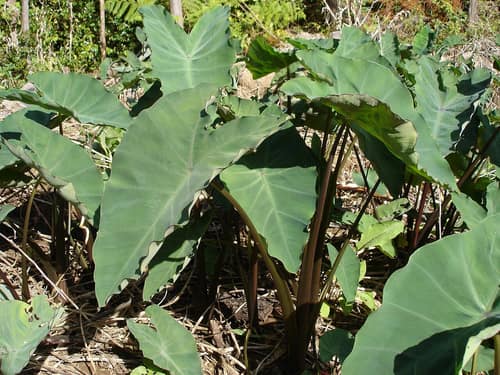
Arum Family Member No machine-readable author provided. Thierry Caro assumed (based on copyright claims). / CC BY-SA 2.5 · cc-by-sa
Help improve the field guideSomething wrong?
Checking your Fauna account…Report a name, category, or profile issue for review.