Also known as Yellow Skunk Cabbage, Swamp Lantern, American Skunk-cabbage
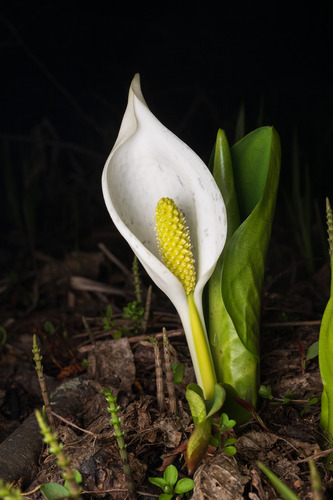
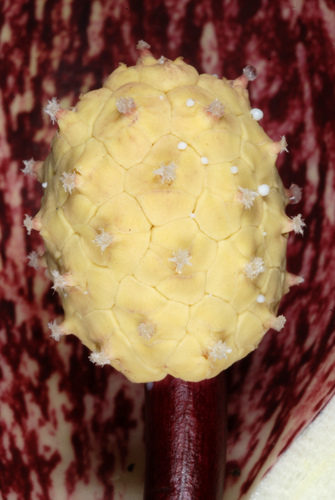
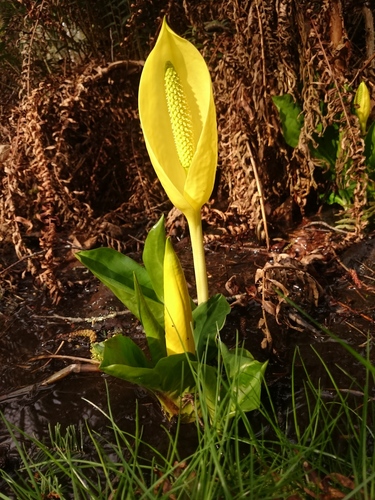
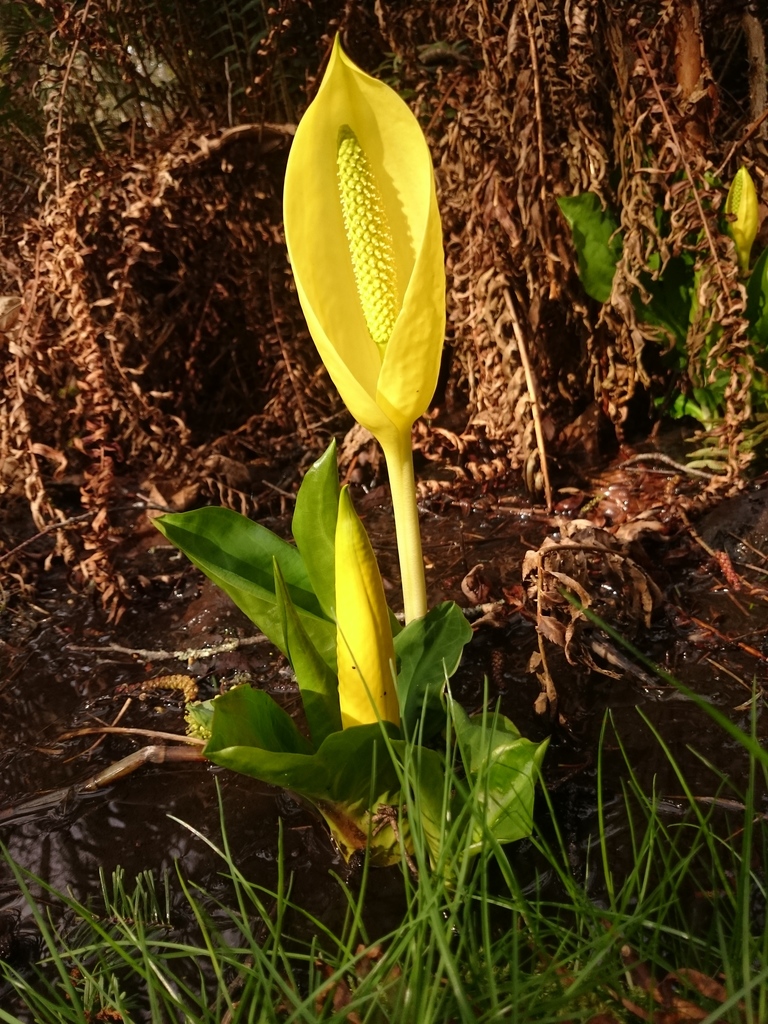
Western skunk cabbage announces early spring across Pacific Northwest wetlands, unfurling vivid yellow spathes before its enormous foliage emerges. The distinctive skunky scent produced by its spadix attracts early-season rove beetles and flies that serve as primary pollinators. Later in summer, massive glossy leaves can stretch over a meter in length, creating dense green carpets across saturated swamp soils.
ThreatsWetland drainage, development, and invasive plant competition
HabitatsSwamps, wet woods, bogs, and stream banks
Life spanPerennial (rhizomes can persist for decades)
Classification
OrderAlismatales
FamilyAraceae
GenusLysichiton
SpeciesLysichiton americanus
Range & activity
Range data is not available yet.
Safe observation
Interaction riskHigh
Low
Moderate
High
Very high
Why interaction risk is high
Tissues contain sharp calcium oxalate crystals; do not ingest raw and keep away from pets.
Why it is dangerous
Leaves and rhizomes contain insoluble raphide crystals of calcium oxalate, causing intense burning of the mouth, severe swelling, and potential airway obstruction if chewed raw.
How to recognize a risky encounter
Look for enormous, waxy paddle-shaped leaves rising directly from muddy ground alongside bright yellow hooded flowers.
What to do
Admire the blooms without picking or chewing any plant parts, and prevent dogs from digging up or eating the rhizomes.
Responsible observation
Scent Cues: Sniff near the yellow spathe in spring to notice the fetid odor that draws scavenging insect pollinators.
Wetland Etiquette: Stick to boardwalks or trails, as the saturated soils around root systems are fragile and easily damaged.

 1 / 7
1 / 7