
Plant · GBIF taxon 2869014
Zanzibar Gem
Zamioculcas zamiifoliaAlso known as ZZ Plant, Eternity Plant, Emerald Palm, Zuzu Plant
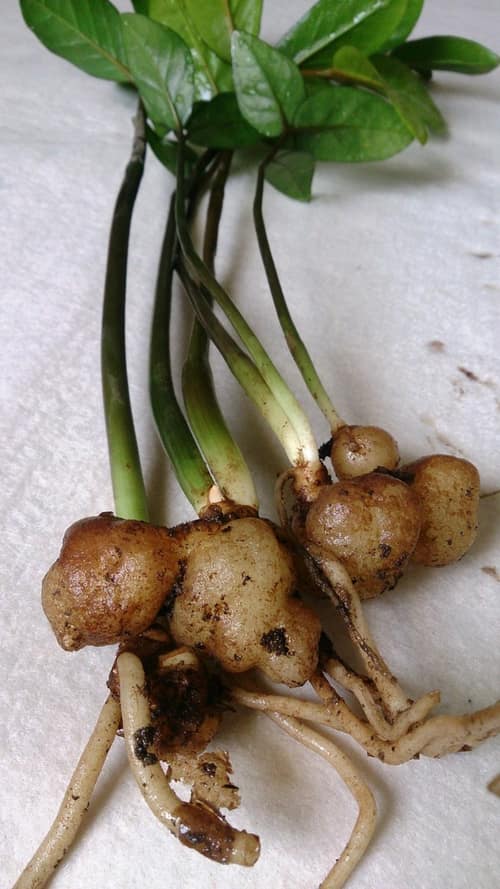
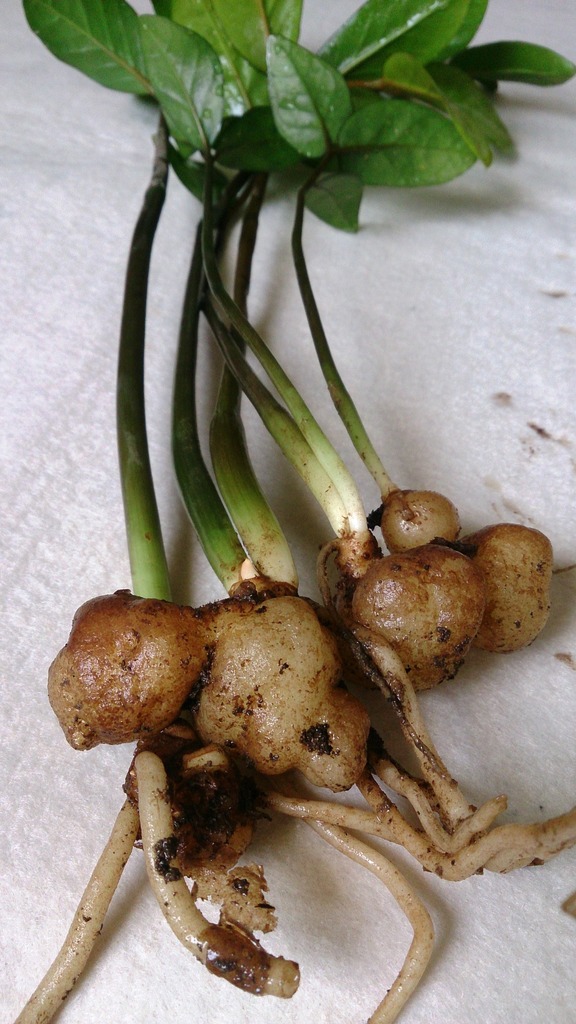
Zanzibar gem survives extreme droughts by storing water in its bulbous, potato-like underground rhizomes and thick succulent leaf stems. Its smooth, mirror-like leaflets reflect ambient light, enabling the plant to thrive in deep shade beneath dry tropical forest canopies. Native to rocky grasslands and forest floors across eastern Africa, it occasionally produces small, pale yellow spadix flowers tucked low near the soil line.
HouseplantShade TolerantSucculent Foliage
—observations
—countries
—peak records
Not EvaluatedConservation statusIUCN Red List categoriesLCNTVUENCREWEXNot Evaluated — not placed on the risk ladderRed List categories, explained →
Diet & prey
- Autotrophic (Photosynthetic)
Predators
Not available
ThreatsLocalized habitat loss, overcollection for illegal plant trade
HabitatsSubtropical dry forests, rocky grasslands, lowland evergreen forests
Life span20–50+ years
Size / weightNot available
Classification
- OrderAlismatales
- FamilyAraceae
- GenusZamioculcas
- SpeciesZamioculcas zamiifolia
Range data is not available yet.
Interaction riskHigh
- Low
- Moderate
- High
- Very high
- Why interaction risk is high
- Contains calcium oxalate crystals; toxic to humans and pets if ingested.
- Why it is dangerous
- Insoluble calcium oxalate crystals penetrate delicate tissues upon chewing, causing burning, oral swelling, drooling, and vomiting.
- How to recognize a risky encounter
- Identified by stiff, upright stems carrying smooth, mirror-glossy green leaflets springing from potato-like rhizomes.
- What to do
- Keep out of reach of pets and young children, and wash hands thoroughly after cutting or handling sap.
Responsible observation
- Light Needs: Place in bright, indirect light or low light, avoiding harsh direct sun that scorches leaves.
- Watering Routine: Allow the soil to dry out completely between waterings to prevent root and rhizome rot.
- Pet Safety: Keep elevated or in rooms inaccessible to curious pets that might chew on stems.
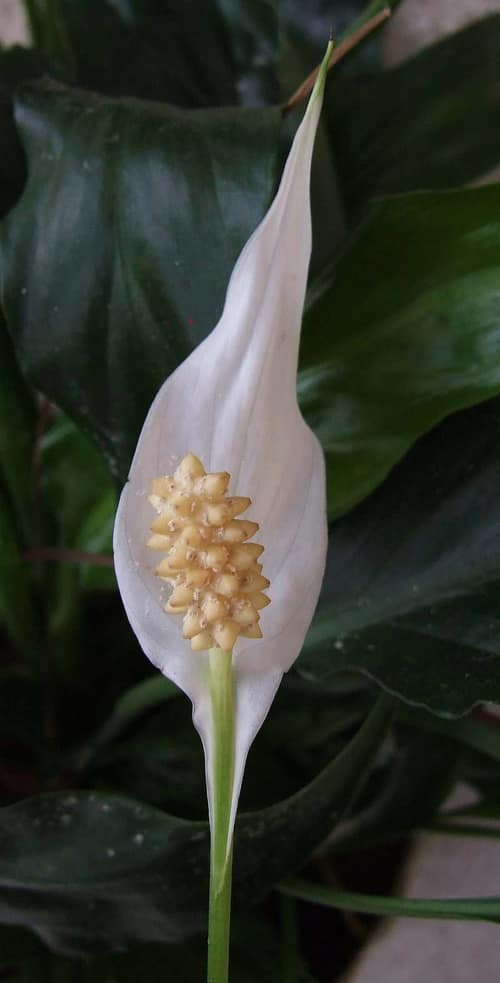
Family Member Jerzy Opioła / CC BY-SA 4.0 · cc-by-sa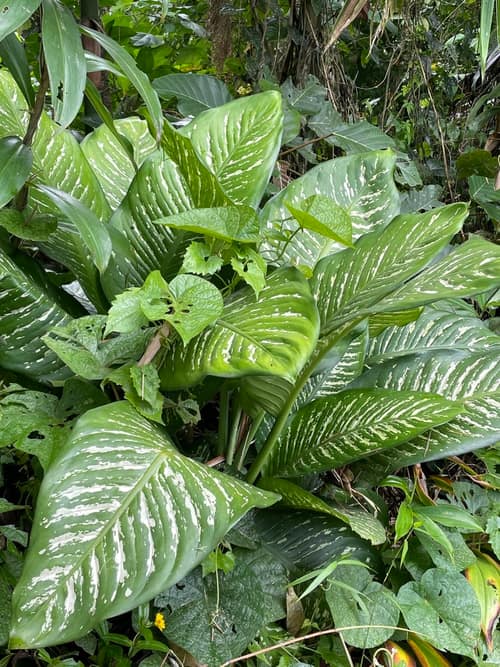
Family Member no rights reserved, uploaded by Jean-Paul Boerekamps · cc0
Family Member (c) Jacqui Geux, some rights reserved (CC BY), uploaded by Jacqui Geux · cc-by
Help improve the field guideSomething wrong?
Checking your Fauna account…Report a name, category, or profile issue for review.