
Plant
Nodding Onion
Allium cernuumAlso known as Lady's Leek, Wild Onion
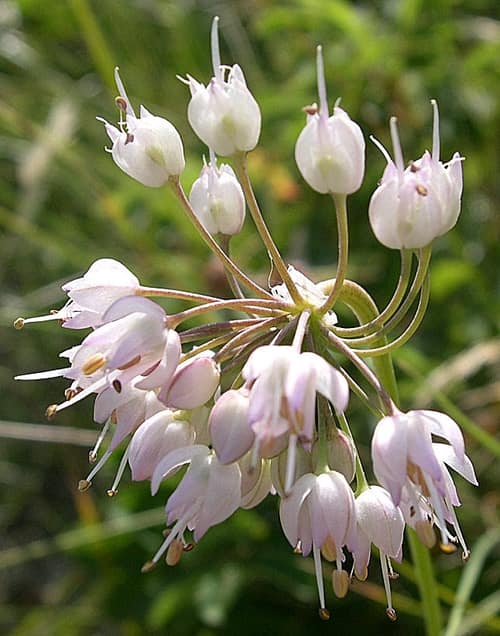
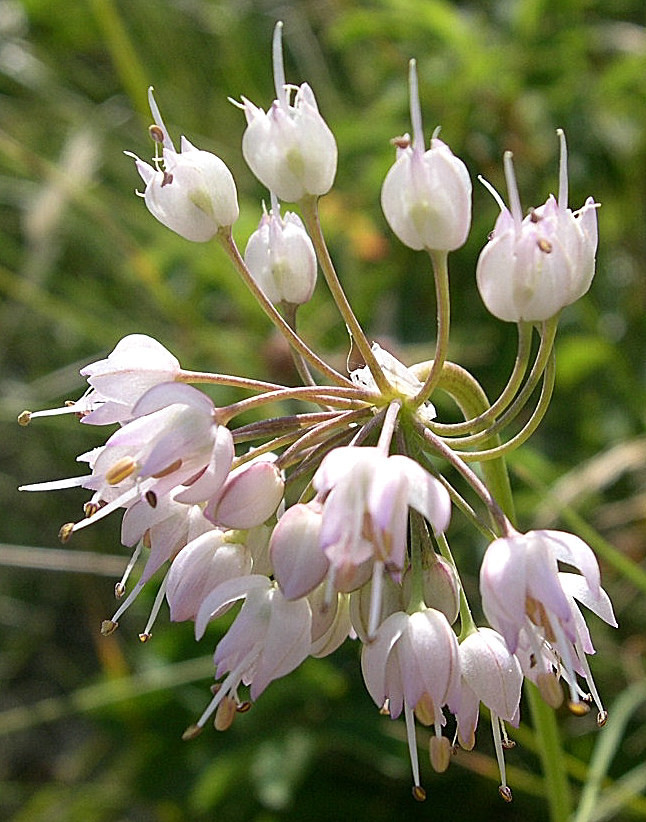
Nodding onion derives its name from the distinctive crook in the flowering stalk, which holds clusters of bell-shaped pink or white blossoms facing downwards to shelter nectar from rain. Narrow, strap-like leaves emerge from small elongated bulbs in early spring, releasing a sharp sulfurous scent when bruised that deters browsing herbivores. Long-tongued native bees and butterflies rely heavily on these midsummer floral clusters across dry prairies, bluffs, and open rocky woodlands.
PerennialWildflowerDrought-Tolerant
—observations
—countries
—peak records
Least ConcernConservation statusIUCN Red List categoriesLCNTVUENCREWEXLeast ConcernRed List categories, explained →
Diet & preySunlight, Water, Soil nutrients
Predators
- Voles
- Groundhogs
- Onion maggot larvae
ThreatsHabitat loss, invasive plant competition, and heavy grazing
HabitatsRocky slopes, glades, prairies, bluffs, and dry open woods
Life spanPerennial (typically 5–10+ years)
Classification
- OrderAsparagales
- FamilyAmaryllidaceae
- GenusAllium
- SpeciesAllium cernuum
Range data is not available yet.
Interaction riskHigh
- Low
- Moderate
- High
- Very high
- Why interaction risk is high
- Toxic to dogs and cats if ingested; never consume wild bulbs due to lethal look-alikes like death camas.
- Why it is dangerous
- Contains sulfoxides and thiosulfates that cause oxidative damage to red blood cells and hemolytic anemia in dogs and cats.
- How to recognize a risky encounter
- Recognized by drooping umbels of pale pink to white bell-like flowers atop leafless stems alongside grass-like basal foliage.
- What to do
- Prevent household pets from chewing foliage or digging bulbs, and avoid harvesting wild plants to prevent confusion with death camas.
Responsible observation
- Garden cultivation: Grow in sunny rock gardens or well-drained borders to attract native pollinators.
- Safe identification: Check for the distinctive downward curve in the stem just below the bloom cluster.
- Wildlife observation: Watch the blossoms in midsummer to spot visiting sweat bees and bumblebees.
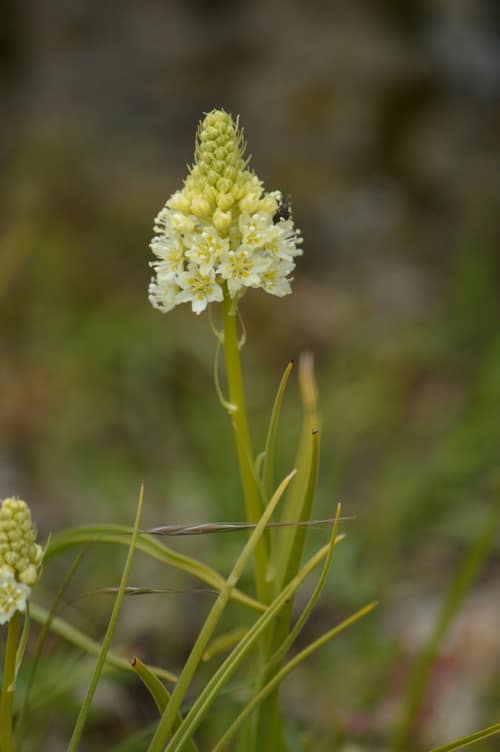
Toxic Look-alike (c) David Anderson, some rights reserved (CC BY), uploaded by David Anderson · cc-by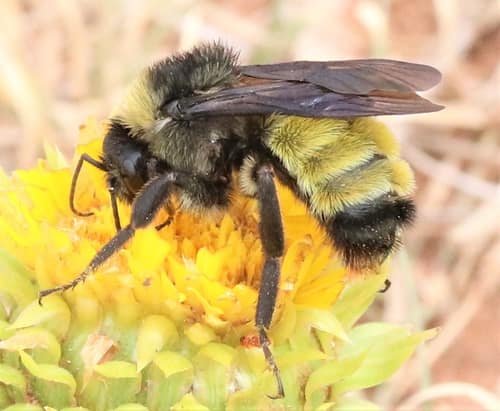
Pollinator (c) crseaquist, some rights reserved (CC BY), uploaded by crseaquist · cc-by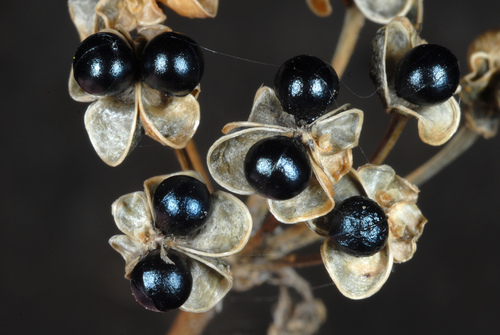
Close Relative (c) Douglas Goldman, some rights reserved (CC BY-SA), uploaded by Douglas Goldman · cc-by-sa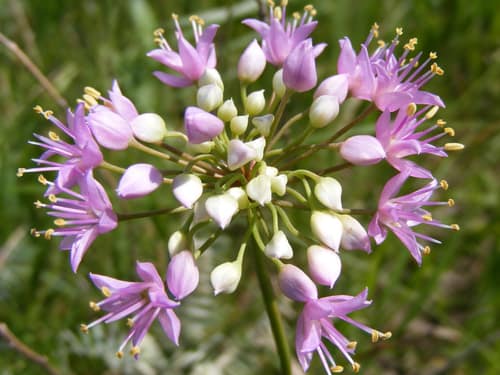
Close Relative (c) USFWS Mountain-Prairie, some rights reserved (CC BY) · cc-by
Help improve the field guideSomething wrong?
Checking your Fauna account…Report a name, category, or profile issue for review.