
Plant
Western Rattlesnake Plantain
Goodyera oblongifoliaAlso known as Giant Rattlesnake Plantain
Western rattlesnake plantain forms low evergreen rosettes of dark green leaves marked with a striking white midrib and faint pale veining. In mid to late summer, each mature rosette sends up a tall, slender spike of small, hooded white flowers arranged in a loose spiral, attracting bumblebees to its nectar. Like many forest orchids, it relies on underground mycorrhizal fungi for germination and nutrient exchange, spreading slowly through shaded conifer duff via creeping rhizomes.
EvergreenWoodlandOrchid
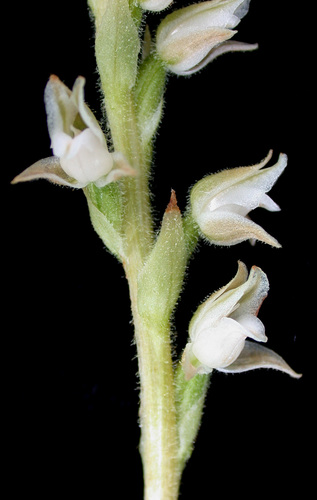
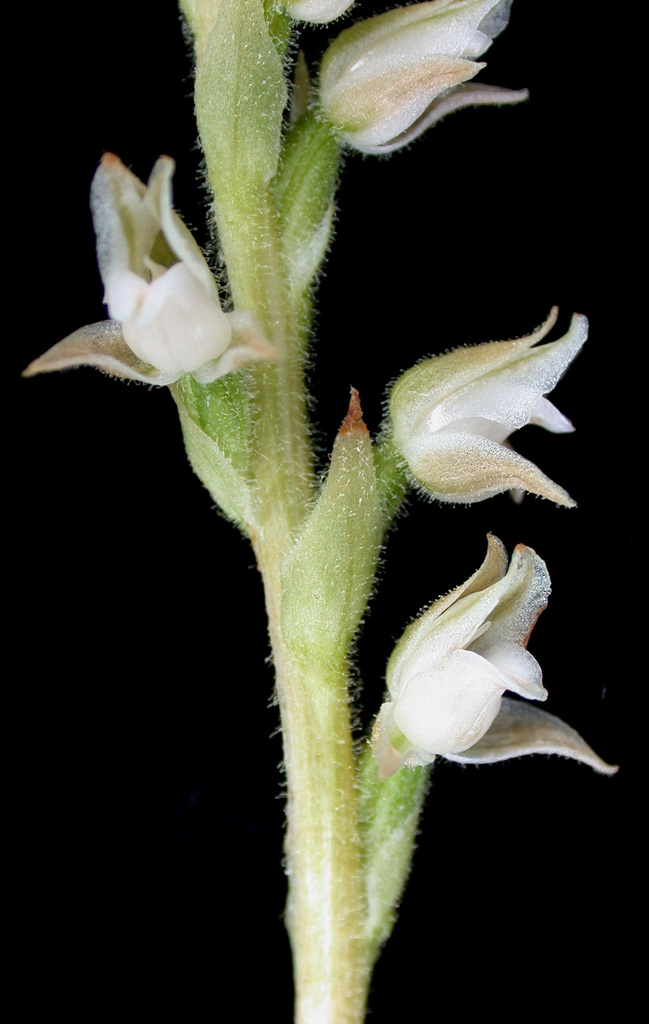
—observations
—countries
—peak records
Least ConcernConservation statusIUCN Red List categoriesLCNTVUENCREWEXLeast ConcernRed List categories, explained →
Diet & preySunlight, Soil moisture, Mycorrhizal fungi
Predators
- Deer
- Slugs
- Voles
ThreatsLogging, habitat fragmentation, trampling, and climate warming
HabitatsShaded coniferous and mixed forests, mossy forest floors, mountain slopes
Life spanPerennial; individual rosettes live several years
Classification
- FamilyOrchidaceae
- SpeciesGoodyera oblongifolia
Range data is not available yet.
Interaction riskLow
- Low
- Moderate
- High
- Very high
- Why interaction risk is low
- Safe to observe at a normal distance.
Responsible observation
- Look Down: Spot the evergreen rosettes with a bold white midrib on mossy conifer floors.
- Tread Lightly: Stay on established trails to avoid crushing shallow rhizomes and soil fungi.
- Never Dig: Wild orchids depend on specific soil fungi and rarely survive transplanting.
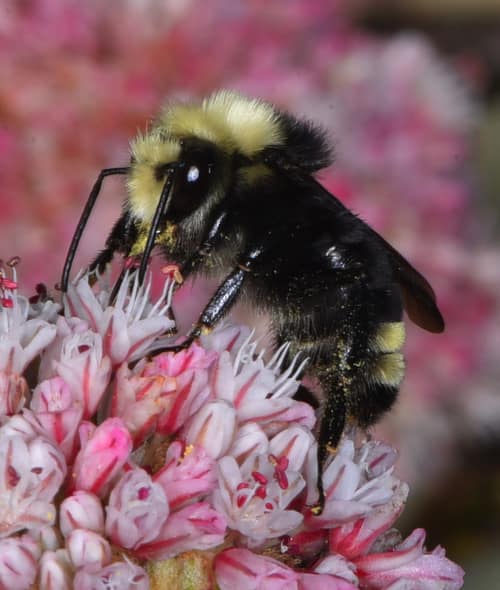
Pollinator (c) Don Loarie, some rights reserved (CC BY) · cc-by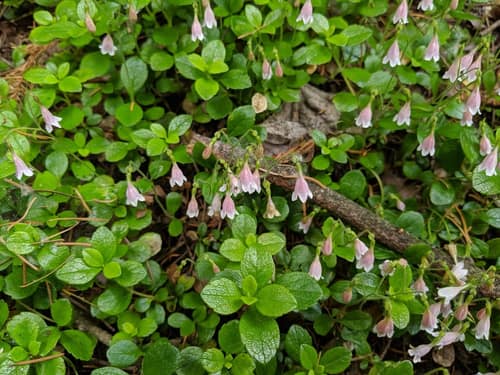
Frequent Companion (c) Chris Johnson, some rights reserved (CC BY), uploaded by Chris Johnson · cc-by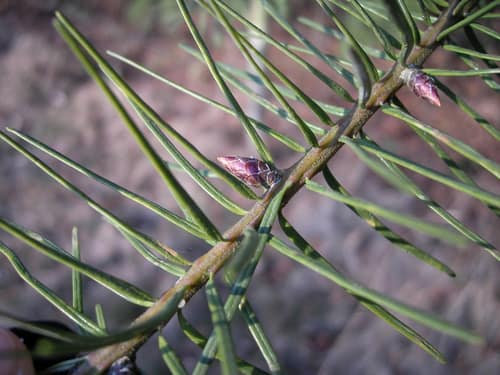
Canopy Neighbor (c) Danny Steaven, some rights reserved (CC BY-SA) · cc-by-sa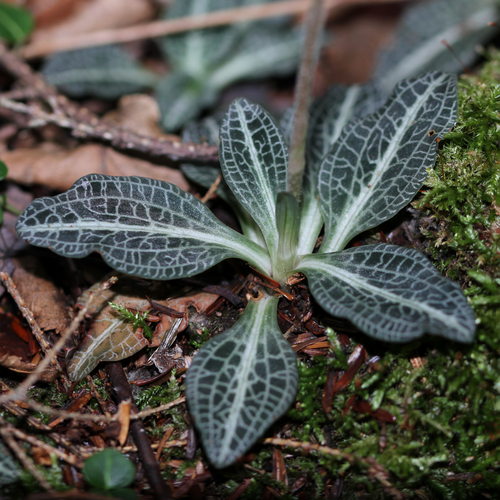
Close Relative (c) Nicholas Wei, some rights reserved (CC BY-SA), uploaded by Nicholas Wei · cc-by-sa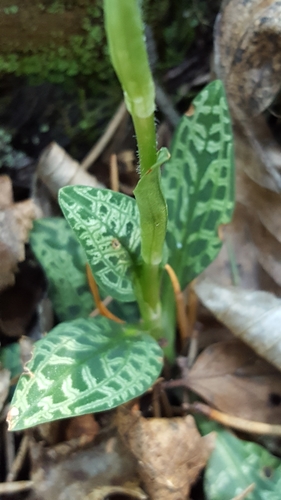
Close Relative (c) Norma Malinowski, some rights reserved (CC BY), uploaded by Norma Malinowski · cc-by
Help improve the field guideSomething wrong?
Checking your Fauna account…Report a name, category, or profile issue for review.