
Plant
Hedgehog Aloe
Aloe humilisAlso known as Spider Aloe
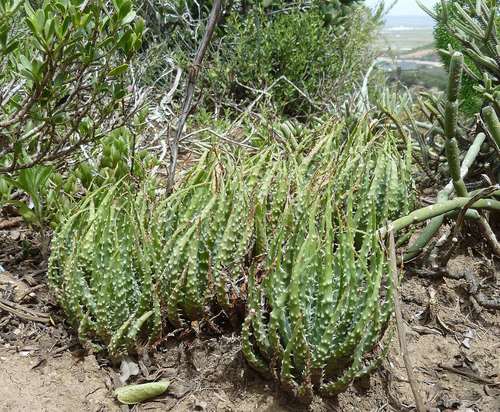
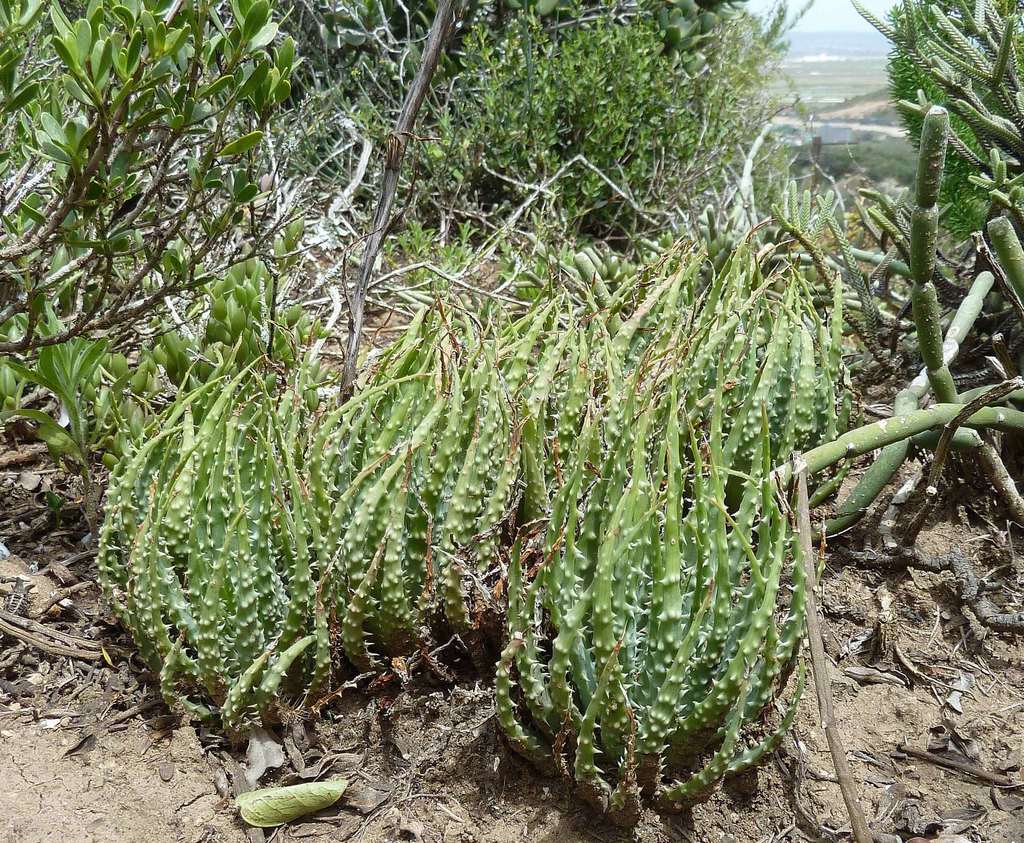
Hedgehog aloes form compact, stemless rosettes of fleshy, incurved leaves edged with soft white teeth that give the plant its prickly appearance. During late winter and spring, each cluster sends up disproportionately tall flowering spikes hung with vivid coral-red or orange tubular blooms. These nectar-rich flowers draw opportunistic sunbirds and native bees across the arid rocky soils of the Eastern and Western Cape.
SucculentDrought-TolerantFlowering
—observations
—countries
—peak records
Least ConcernConservation statusIUCN Red List categoriesLCNTVUENCREWEXLeast ConcernRed List categories, explained →
Diet & preyAutotrophic (photosynthetic)
Predators
- Chacma baboon
- Cape porcupine
- Aloe snout beetle
ThreatsIllegal plant collection, habitat degradation, agricultural clearing
HabitatsArid karroid scrub, rocky slopes, dry grasslands
Life span15–30 years
Classification
- OrderAsparagales
- FamilyAsphodelaceae
- GenusAloe
- SpeciesAloe humilis
Range data is not available yet.
Interaction riskHigh
- Low
- Moderate
- High
- Very high
- Why interaction risk is high
- Contains bitter compounds toxic to dogs and cats if ingested; keep away from curious pets.
- Why it is dangerous
- Leaves contain bitter anthraquinone glycosides that induce vomiting, diarrhea, and lethargy when chewed by domestic pets.
- How to recognize a risky encounter
- Look for low, dense clusters of upward-curving blue-green succulent leaves covered in soft white spines.
- What to do
- Keep potted specimens elevated out of reach of indoor pets, and wear gloves if pruning damaged rosettes.
Responsible observation
- Cultivation: Grow in gritty, free-draining succulent mix under bright sunlight to preserve tight leaf rosettes.
- Watering: Let the potting soil dry out completely between waterings to prevent root rot.
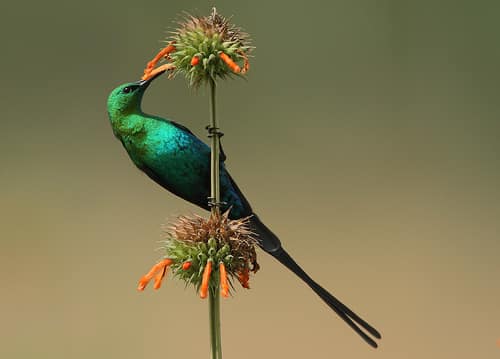
Pollinator (c) Steve Garvie, some rights reserved (CC BY-SA) · cc-by-sa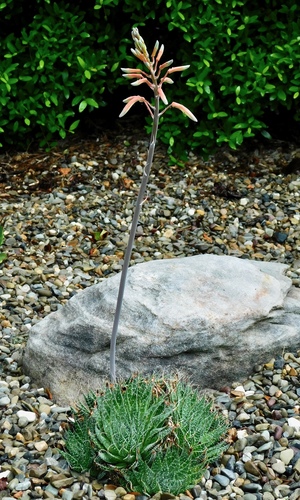
Look-alike (c) Michael J. Papay, some rights reserved (CC BY), uploaded by Michael J. Papay · cc-by Image unavailable
Predator 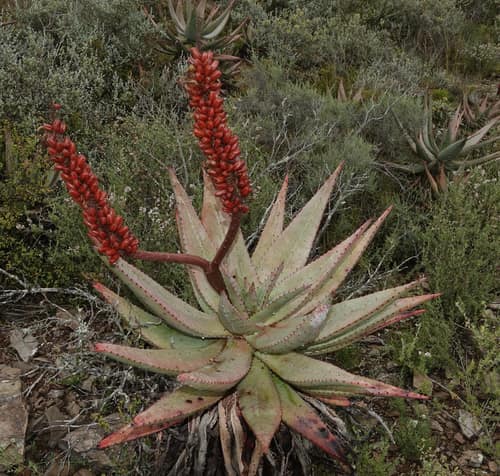
Close Relative (c) desertnaturalist, some rights reserved (CC BY), uploaded by desertnaturalist · cc-by
Help improve the field guideSomething wrong?
Checking your Fauna account…Report a name, category, or profile issue for review.