
Plant · GBIF taxon 2775716
Spineless Yucca
Yucca giganteaAlso known as Yucca Cane, Soft-Tip Yucca, Giant Yucca, Izote
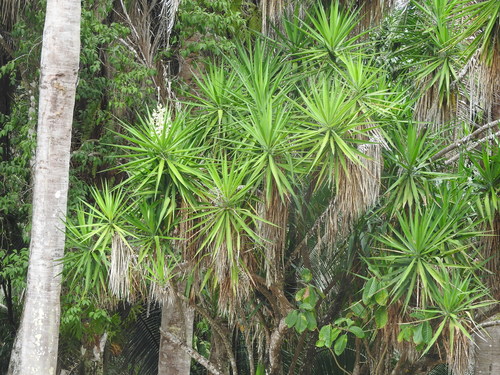
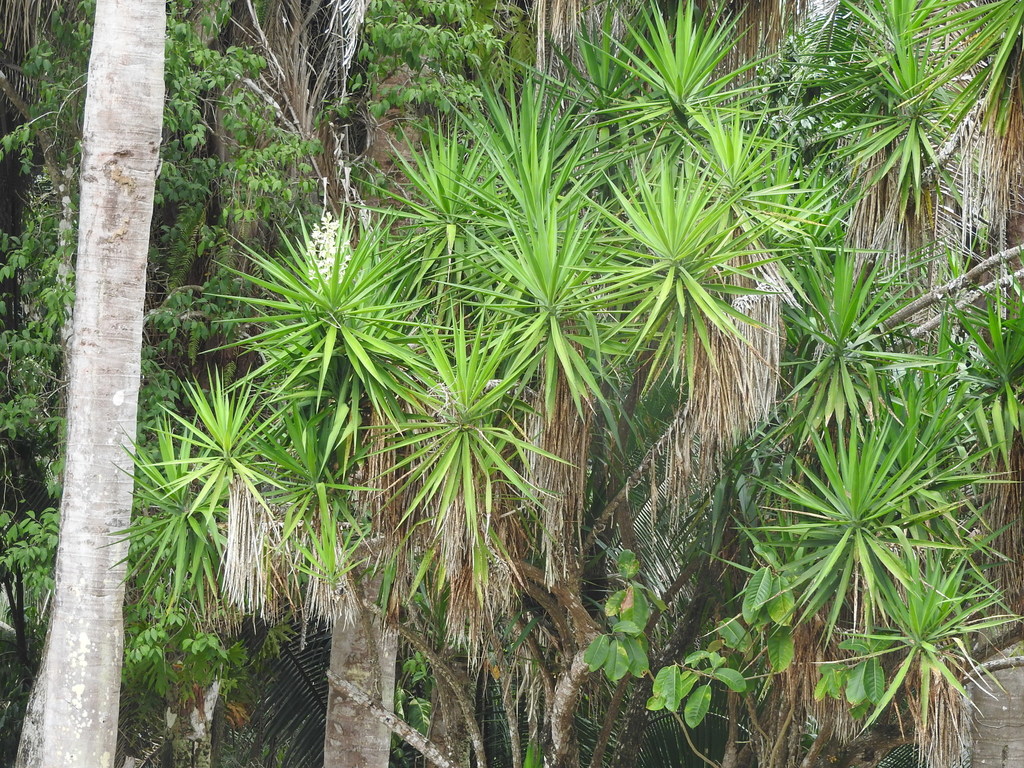
Spineless yucca develops thick, trunk-like stems crowned with rosettes of long, pliable leaf blades that lack the dangerous terminal spines typical of its desert relatives. In warm outdoor climates, mature specimens produce massive upright panicles of creamy white, bell-shaped flowers during summer. Central American cultures have celebrated these blooms for centuries, incorporating them into traditional art, landscape design, and regional identity.
EvergreenOrnamentalDrought-Tolerant
—observations
—countries
—peak records
Not EvaluatedConservation statusIUCN Red List categoriesLCNTVUENCREWEXNot Evaluated — not placed on the risk ladderRed List categories, explained →
Diet & prey
- Autotrophic
Predators
- Mealybugs
- Scale Insects
- Spider Mites
ThreatsHabitat clearance in native range, root rot from overwatering, scale insect infestations
HabitatsTropical dry forests, coastal thickets, urban gardens, interior landscapes
Life span50 to 100+ years
Classification
- OrderAsparagales
- FamilyAsparagaceae
- GenusYucca
- SpeciesYucca gigantea
Range data is not available yet.
Interaction riskHigh
- Low
- Moderate
- High
- Very high
- Why interaction risk is high
- Contains saponins toxic to pets if ingested; wild plants have look-alikes, so never forage without expert identification.
- Why it is dangerous
- Leaves and roots contain steroid saponins that cause vomiting, diarrhea, drooling, and loss of coordination in dogs and cats.
- How to recognize a risky encounter
- Recognized by thick woody trunks crowned with flexible, dark green sword-shaped leaves that end in soft points.
- What to do
- Elevate indoor potted plants on stands or place them in rooms inaccessible to curious pets.
Responsible observation
- Light Placement: Position in bright, direct or indirect sunlight to foster sturdy trunks and vibrant green foliage.
- Watering Schedule: Allow the top few inches of soil to dry out completely before watering again to prevent root rot.
- Pet Safety: Keep indoor specimens away from pets that tend to chew on household greenery.
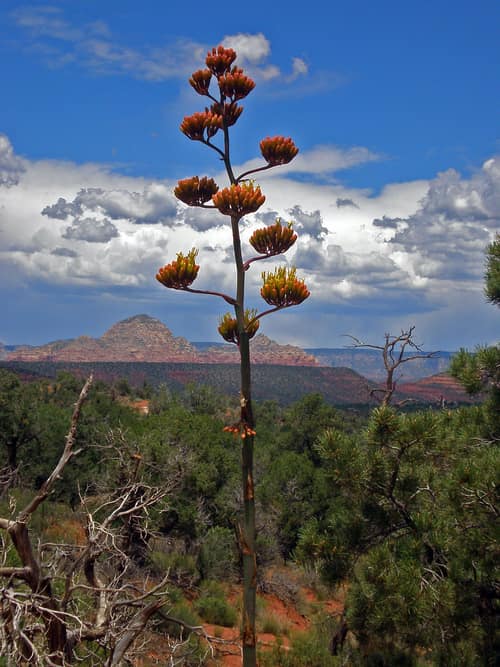
Ecological Neighbor "Closeup of Century Plant (Agave)" by Coconino NF Photography is licensed under CC BY-SA 2.0. To view a copy of this license, visit https://creativecommons.org/licenses/by-sa/2.0/. · cc-by-sa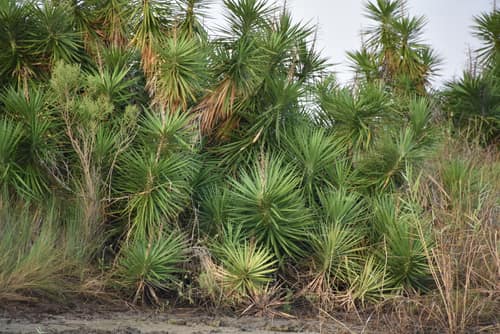
Close Relative (c) Cody Stricker, some rights reserved (CC BY), uploaded by Cody Stricker · cc-by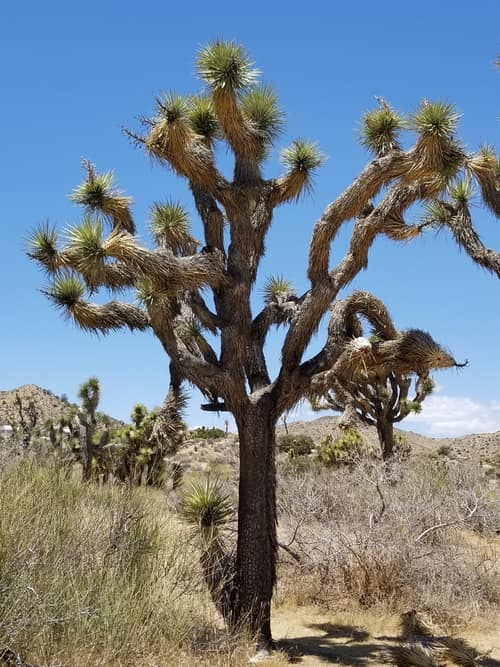
Desert Relative no rights reserved, uploaded by Rod · cc0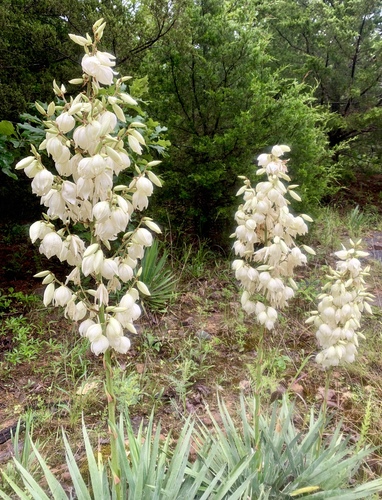
Close Relative (c) Conway Hawn, some rights reserved (CC BY) · cc-by
Help improve the field guideSomething wrong?
Checking your Fauna account…Report a name, category, or profile issue for review.