
Plant · GBIF taxon 2775619
Moundlily Yucca
Yucca gloriosaAlso known as Spanish Dagger, Mound Lily Yucca, Roman Candle, Spanish Bayonet
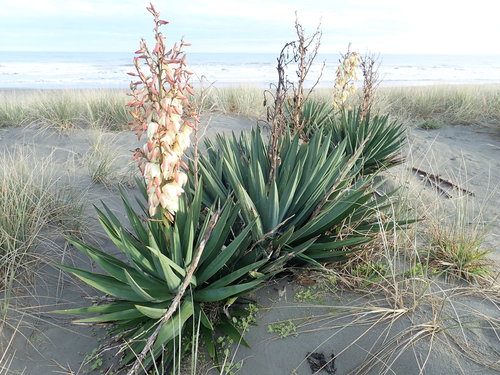
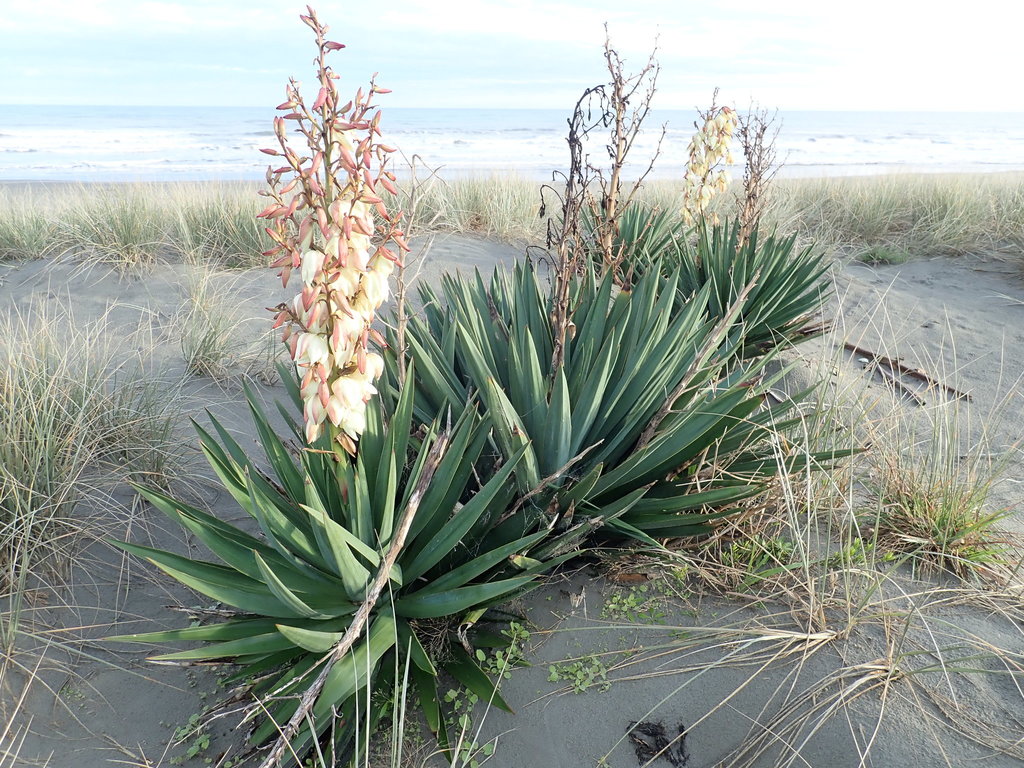
Moundlily yucca forms dramatic architectural clumps of thick, sword-like evergreen leaves along coastal sand dunes and maritime forests. Tall panicles of bell-shaped, ivory flowers emerge above the rosette in late summer, attracting night-flying moths that share an exclusive pollination partnership with the plant. Stiff leaf blades taper into needle-sharp terminal spines that deter herbivores and create a formidable living barrier.
EvergreenFloweringCoastal
 1 / 7
1 / 7—observations
—countries
—peak records
Least ConcernConservation statusIUCN Red List categoriesLCNTVUENCREWEXLeast ConcernRed List categories, explained →
Diet & prey
- Sunlight
- Water
- Soil Minerals
Predators
- Yucca Weevil
- White-tailed Deer
ThreatsCoastal development, habitat loss, severe beach erosion
HabitatsCoastal dunes, barrier islands, maritime forests, sandy scrublands
Life span20–50+ years
Classification
- FamilyAsparagaceae
- SpeciesYucca gloriosa
Range data is not available yet.
Interaction riskHigh
- Low
- Moderate
- High
- Very high
- Why interaction risk is high
- Leaf tips are sharp enough to puncture skin, and leaves contain saponins toxic to pets if chewed.
- Why it is dangerous
- Rigid leaf blades end in needle-sharp spines capable of causing deep puncture wounds, and plant tissues contain saponins toxic to cats and dogs.
- How to recognize a risky encounter
- Recognized by dense, spherical rosettes of stiff blue-green leaves ending in dark sharp tips, topped by tall white flower clusters.
- What to do
- Maintain wide clearance around plants in gardens and wear safety glasses and thick gloves when pruning dead leaves.
Responsible observation
- Planting Distance: Position away from high-traffic walkways to avoid accidental punctures from needle-sharp leaf tips.
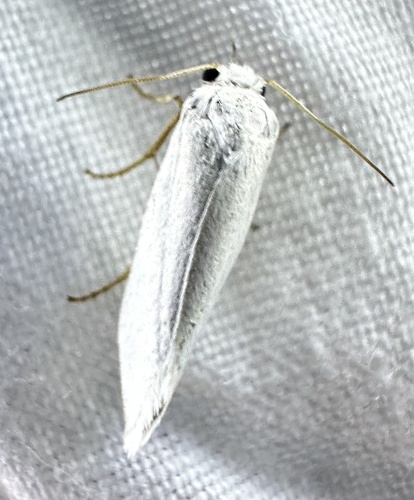
- Pollinator Viewing: Look for white yucca moths visiting the large bell-shaped blossoms during calm evening hours.
- Cultivation: Provide full sun and fast-draining sandy soil to prevent crown rot in garden settings.
Pollinator no rights reserved · cc0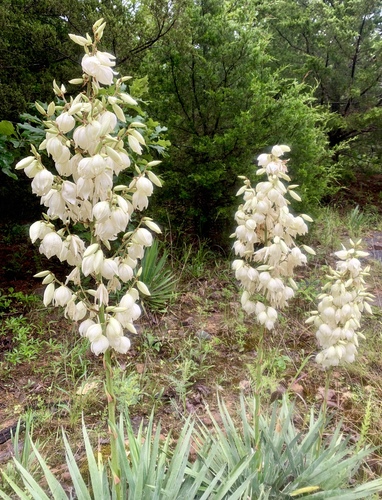
Close Relative (c) Conway Hawn, some rights reserved (CC BY) · cc-by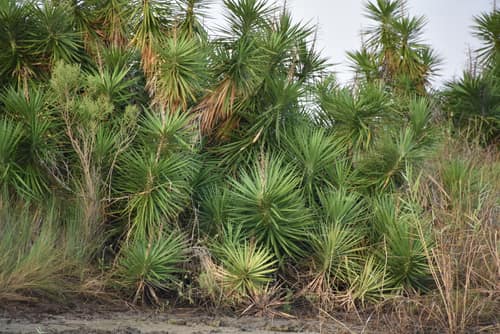
Close Relative (c) Cody Stricker, some rights reserved (CC BY), uploaded by Cody Stricker · cc-by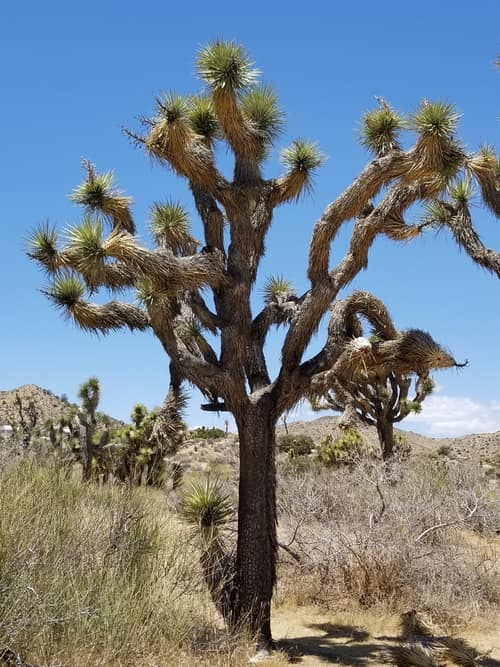
Close Relative no rights reserved, uploaded by Rod · cc0
Help improve the field guideSomething wrong?
Checking your Fauna account…Report a name, category, or profile issue for review.