
Insect
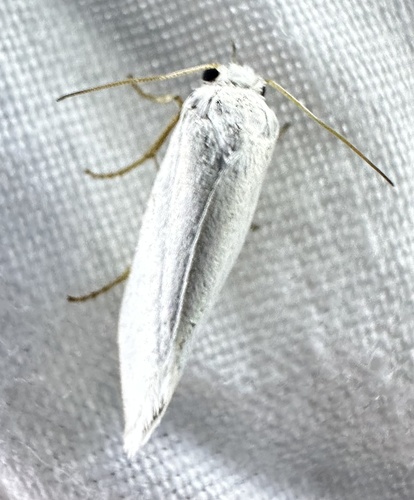
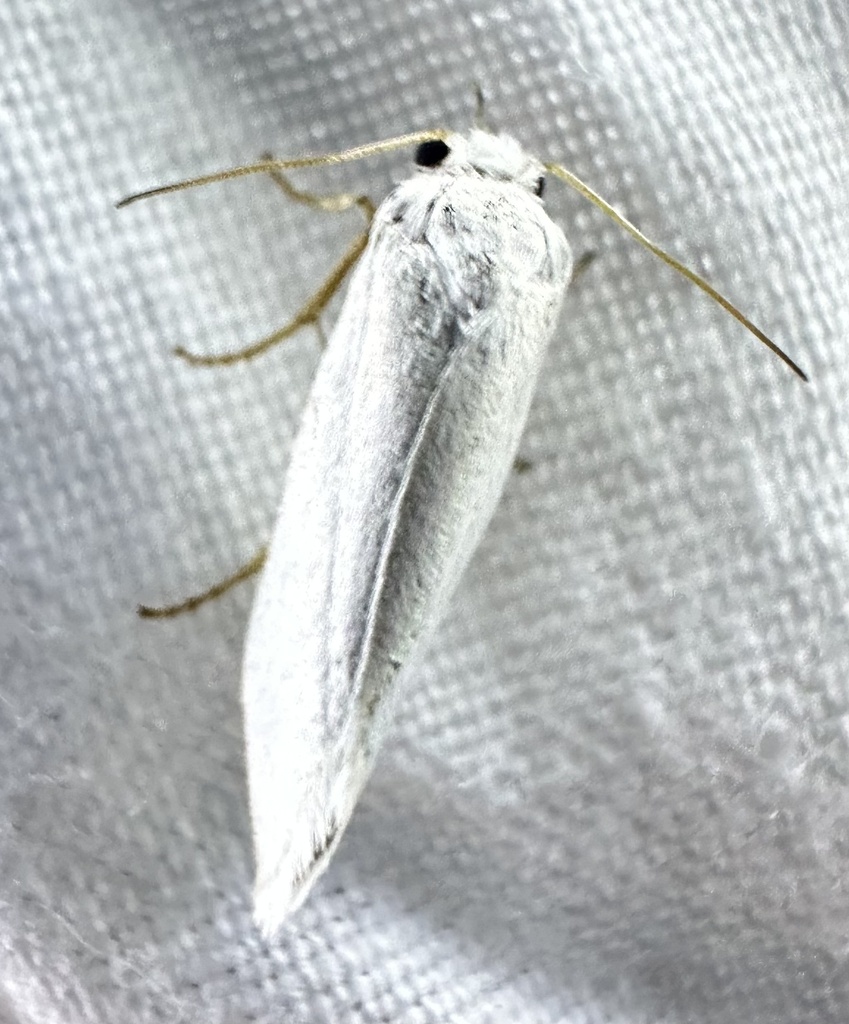
Eastern Yucca Moth
Tegeticula yuccasellaAlso known as Yucca Moth
Eastern yucca moths maintain one of nature's most iconic obligate mutualisms with wild yucca plants. Female moths use specialized tentacle-like mouthparts to gather pollen into a compact ball, deliberately transferring it to another flower before depositing eggs into the ovary. The hatching larvae consume a fraction of the developing seeds, leaving plenty behind to ensure the next generation of both plant and moth.
PollinatorMutualistNocturnal
—observations
—countries
—peak records
Not EvaluatedConservation statusIUCN Red List categoriesLCNTVUENCREWEXNot Evaluated — not placed on the risk ladderRed List categories, explained →
Diet & preyYucca seeds
Predators
- Spiders
- Bats
- Songbirds
ThreatsHabitat fragmentation, loss of native yucca stands, pesticide application
HabitatsGrasslands, scrublands, coastal dunes, and gardens
Life span1 year total; adults live 1–2 weeks
Classification
- FamilyProdoxidae
- SpeciesTegeticula yuccasella
Range data is not available yet.
Interaction riskLow
- Low
- Moderate
- High
- Very high
- Why interaction risk is low
- Safe to observe at a normal distance.
Responsible observation
- Timing: Inspect opening yucca blossoms at dusk or early night during late spring.
- Observation: Peer gently inside the creamy flower petals where adults rest quietly during the day.
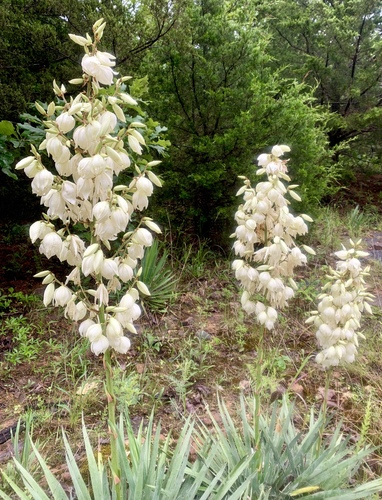
Host Plant (c) Conway Hawn, some rights reserved (CC BY) · cc-by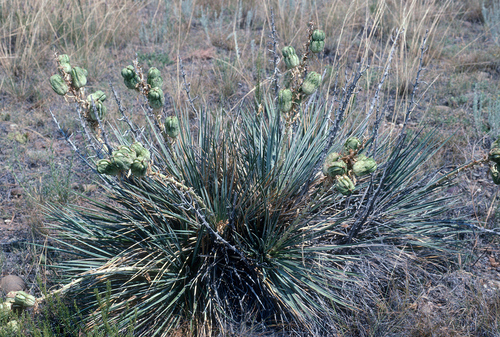
Host Plant (c) Douglas Goldman, some rights reserved (CC BY-SA), uploaded by Douglas Goldman · cc-by-sa Image unavailable
Co-Occurring Relative
Help improve the field guideSomething wrong?
Checking your Fauna account…Report a name, category, or profile issue for review.