
Plant
Arkansas Yucca
Yucca arkansanaAlso known as Soft-leaf Yucca, Arkansas Soapweed
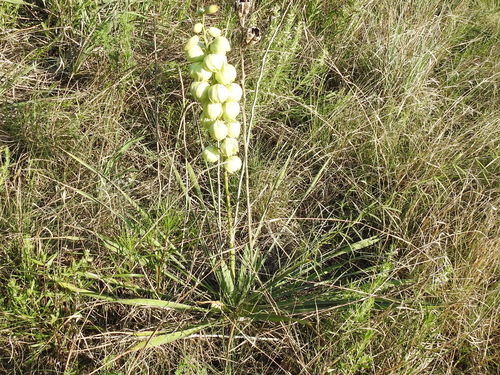
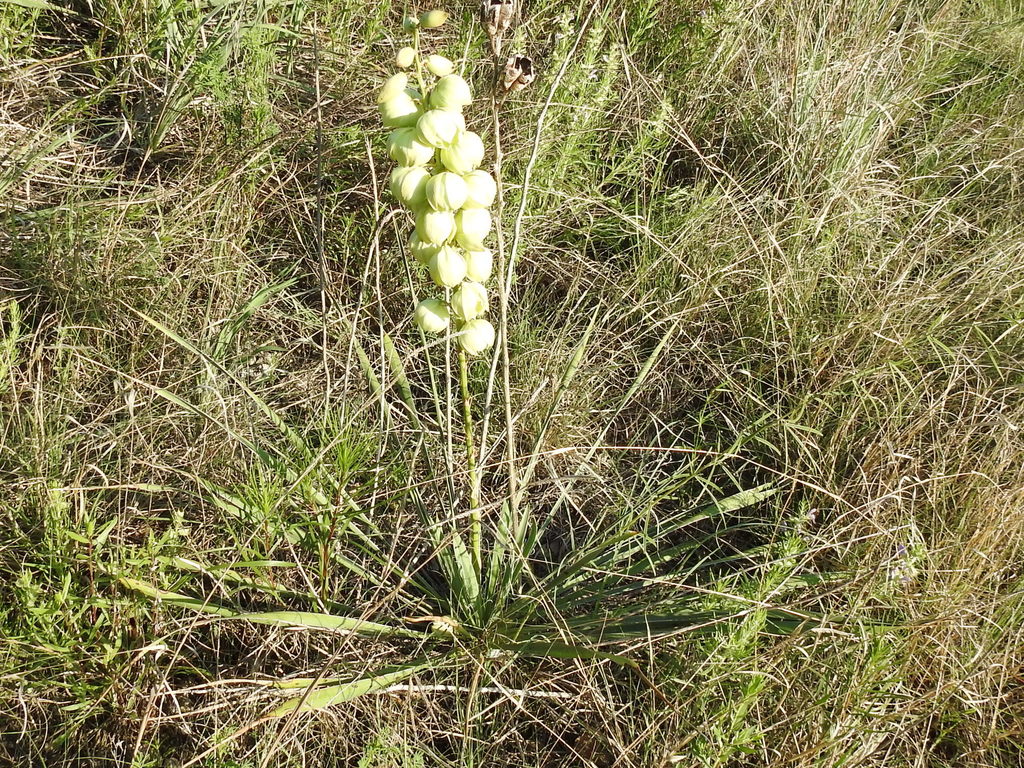
Arkansas yucca forms low, stemless rosettes of narrow, flexible leaves that anchor dry prairies and rocky glades across the South-Central United States. Tall flowering spikes emerge in late spring, displaying heavy clusters of nodding greenish-white, bell-shaped blooms. These flowers depend entirely on an intricate mutualism with yucca moths, which collect pollen to fertilize the blooms before laying eggs inside the developing seed pods.
EvergreenDrought TolerantPrairie Native
—observations
—countries
—peak records
Least ConcernConservation statusIUCN Red List categoriesLCNTVUENCREWEXLeast ConcernRed List categories, explained →
Diet & preyAutotrophic (Photosynthesis)
Predators
- Yucca Moth Larvae
- White-tailed Deer
- Cattle
ThreatsHabitat destruction, invasive brush encroachment, agricultural clearing
HabitatsRocky outcrops, glades, limestone bluffs, native prairies
Life span20–50+ years
Classification
- FamilyAsparagaceae
- SpeciesYucca arkansana
Range data is not available yet.
Interaction riskLow
- Low
- Moderate
- High
- Very high
- Why interaction risk is low
- Safe to observe at a normal distance.
Responsible observation
- Best Viewing: Look for nodding greenish-white flower spikes from May through June.
- Identification: Check for fine unraveling white threads along leaf margins.
- Ecology Spotting: Inspect open flowers at dusk to spot tiny nocturnal yucca moths.
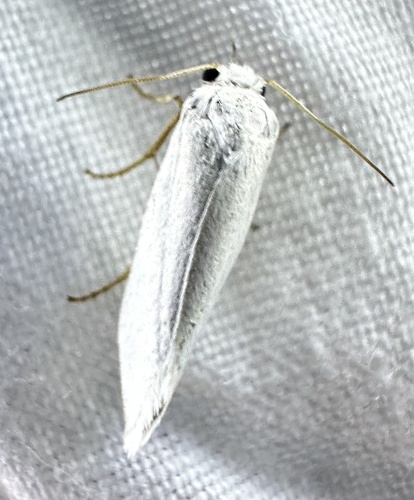
Pollinator no rights reserved · cc0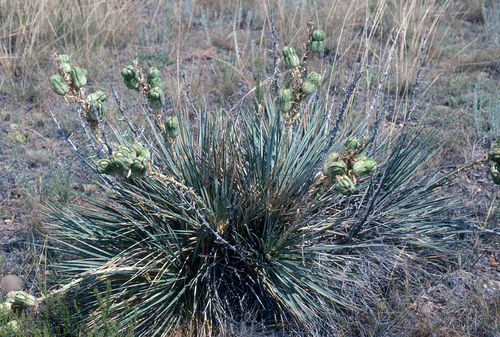
Close Relative (c) Douglas Goldman, some rights reserved (CC BY-SA), uploaded by Douglas Goldman · cc-by-sa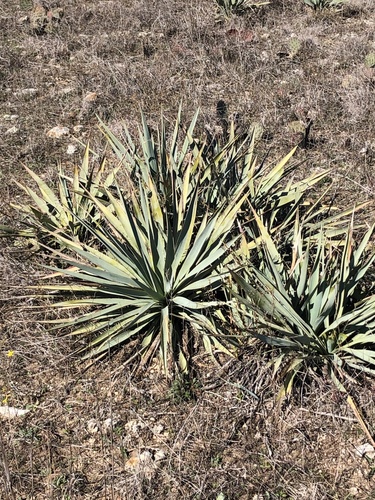
Close Relative (c) Chris Acree, some rights reserved (CC BY-SA) · cc-by-sa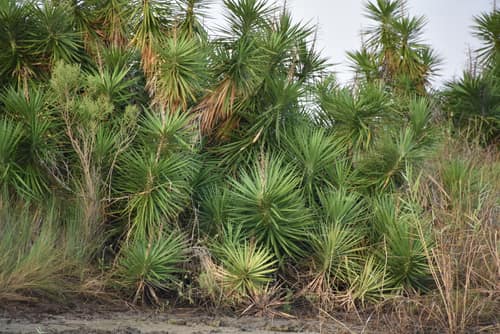
Close Relative (c) Cody Stricker, some rights reserved (CC BY), uploaded by Cody Stricker · cc-by
Help improve the field guideSomething wrong?
Checking your Fauna account…Report a name, category, or profile issue for review.