
Plant
Weak-leaf Yucca
Yucca flaccidaAlso known as Adam's Needle, Flaccid-Leaf Yucca, Beargrass
Weak-leaf yucca forms rosette clusters of pliable, fibrous evergreen leaves that bend or fold downward under their own weight. In early summer, tall flowering stalks rise up to two meters high, bearing nodding bell-shaped white blossoms. These flowers rely on a specialized obligate mutualism with yucca moths for pollination, where female moths actively transfer pollen before laying eggs in the developing seed pods.
EvergreenFloweringNative Plant
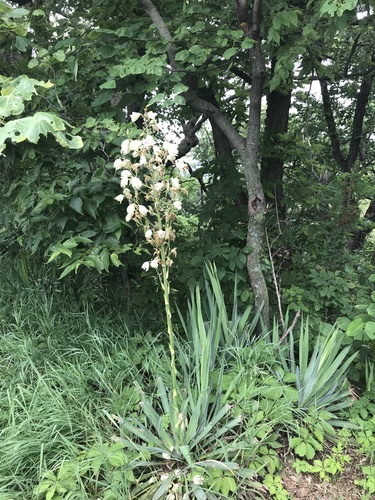
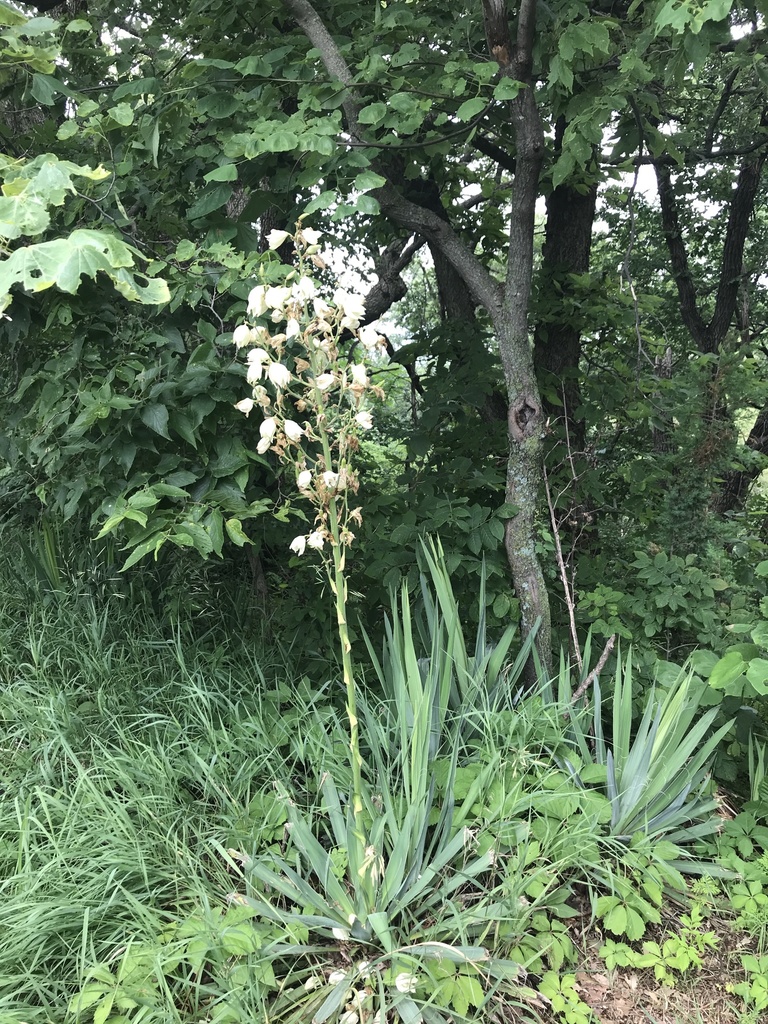
—observations
—countries
—peak records
Least ConcernConservation statusIUCN Red List categoriesLCNTVUENCREWEXLeast ConcernRed List categories, explained →
Diet & preyAutotrophic (Photosynthetic)
Predators
- White-Tailed Deer
- Domestic Livestock
- Yucca Moth Larvae
ThreatsHabitat conversion, invasive plant competition, land development
HabitatsSandy open woodlands, dry fields, pine flatwoods, roadsides
Life spanIndividual rosettes 5–10 years; clonal colonies persist for decades
Classification
- FamilyAsparagaceae
- SpeciesYucca flaccida
Range data is not available yet.
Interaction riskLow
- Low
- Moderate
- High
- Very high
- Why interaction risk is low
- Safe to observe at a normal distance.
Responsible observation
- Identification: Look for soft, bending leaf blades with fine peeling marginal threads.
- Landscape Use: Plant in full sun and well-drained sandy soil for optimal growth.
- Wildlife Observing: Inspect night-blooming flowers after sunset to spot visiting yucca moths.
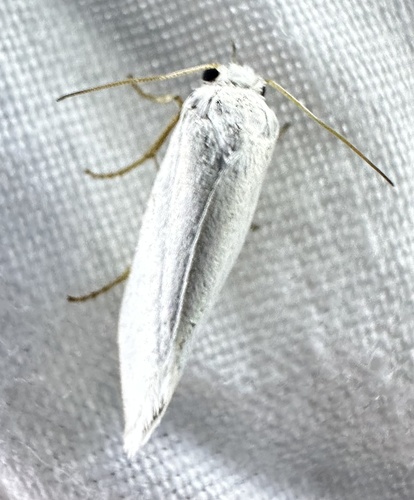
Pollinator no rights reserved · cc0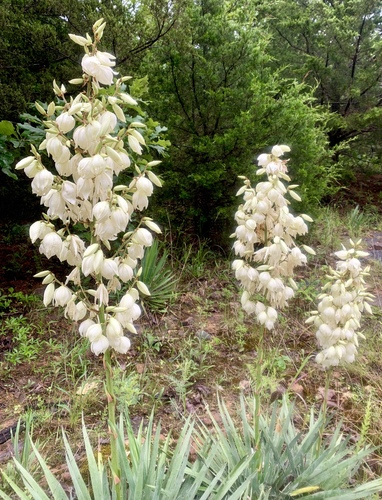
Close Relative (c) Conway Hawn, some rights reserved (CC BY) · cc-by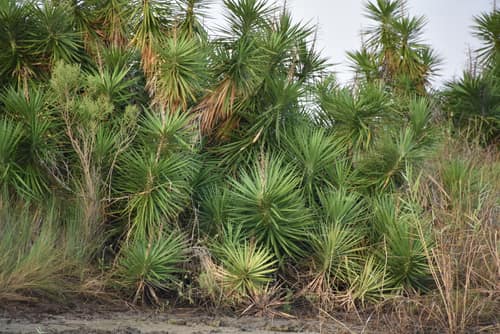
Close Relative (c) Cody Stricker, some rights reserved (CC BY), uploaded by Cody Stricker · cc-by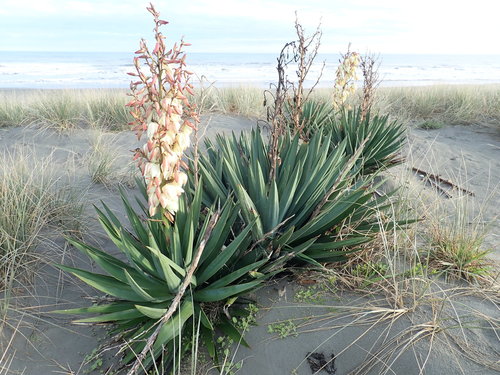
Close Relative (c) Arnim Littek, some rights reserved (CC BY), uploaded by Arnim Littek · cc-by
Help improve the field guideSomething wrong?
Checking your Fauna account…Report a name, category, or profile issue for review.