
Plant
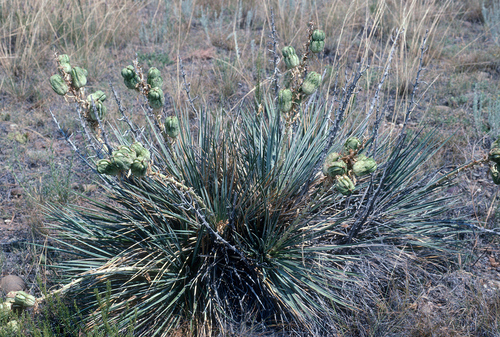
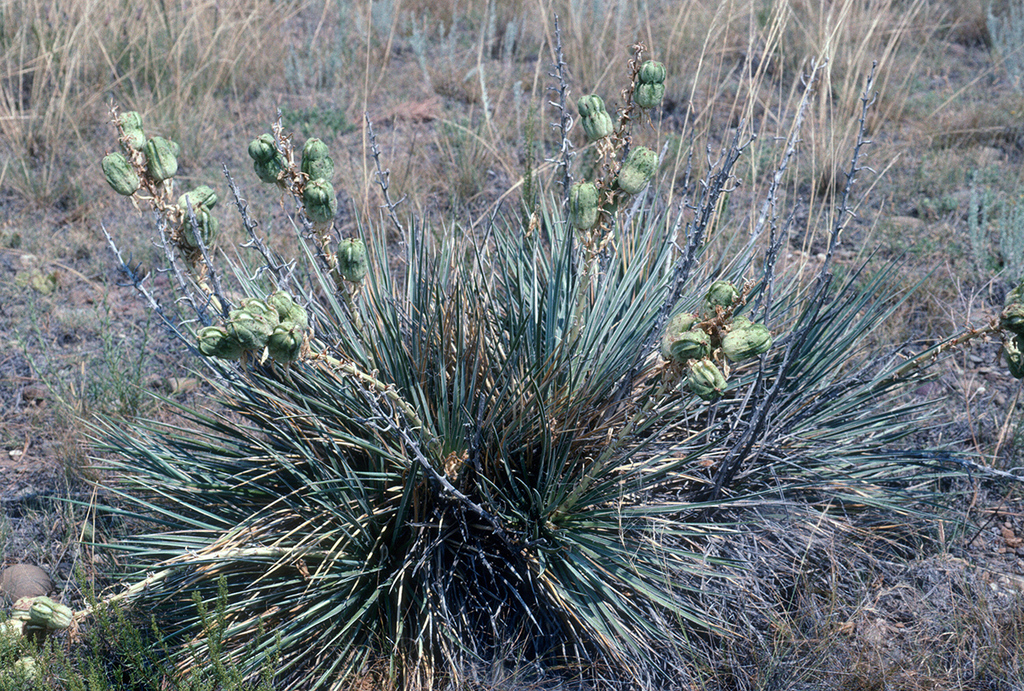
Great Plains Yucca
Yucca glaucaAlso known as Small Soapweed, Soapweed Yucca, Spanish Bayonet
Forming dense spheres of stiff, fibrous leaves across the wind-scoured plains, Great Plains yucca survives extreme drought and subzero winter freezes through an expansive taproot network reaching several meters deep. Its creamy, bell-shaped summer blooms rely entirely on specialized yucca moths for pollination, exchanging a portion of developing seeds to nourish the moth larvae in an obligatory mutual partnership. Indigenous peoples historically pounded the saponin-rich rootstock into gentle soap and harvested the indestructible leaf fibers to weave sandals, baskets, and cordage.
Drought-TolerantSucculentEvergreen
—observations
—countries
—peak records
Least ConcernConservation statusIUCN Red List categoriesLCNTVUENCREWEXLeast ConcernRed List categories, explained →
Diet & preyAutotrophic (photosynthesis)
Predators
- Mule Deer
- Pronghorn
- Yucca Weevil
ThreatsOvergrazing, rangeland herbicide application, and agricultural conversion
HabitatsMixed-grass prairies, sandhills, badlands, and rocky slopes
Life span30–50+ years (clones can persist for centuries)
Classification
- OrderAsparagales
- FamilyAsparagaceae
- GenusYucca
- SpeciesYucca glauca
Range data is not available yet.
Interaction riskHigh
- Low
- Moderate
- High
- Very high
- Why interaction risk is high
- Roots and foliage contain saponins toxic to dogs and cats; sharp leaf tips can cause puncture wounds.
- Why it is dangerous
- Contains steroidal saponins that cause vomiting, drooling, and diarrhea in domestic pets if chewed, while rigid spines can inflict deep punctures.
- How to recognize a risky encounter
- Look for low rosettes of pale bluish-green, needle-sharp leaves edged with curling white threads.
- What to do
- Keep curious pets away from plants and wear puncture-resistant gloves when weeding around the base.
Responsible observation
- Puncture Hazard: Watch footing near low rosettes, as stiff leaf spine tips easily pierce lightweight footwear.
- Nocturnal Viewing: Check night-blooming white flowers after dusk with a red light to spot active yucca moths.
- Landscape Care: Provide sharply drained, sandy soil and unfiltered sun to prevent crown rot in cultivation.
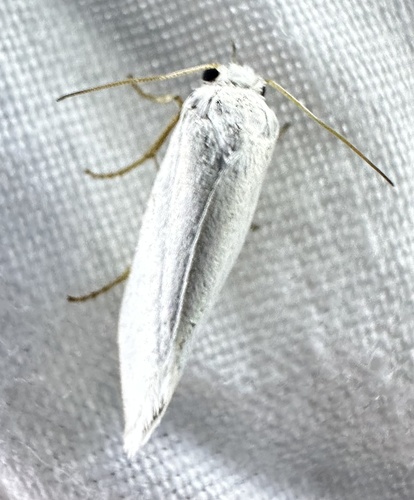
Pollinator no rights reserved · cc0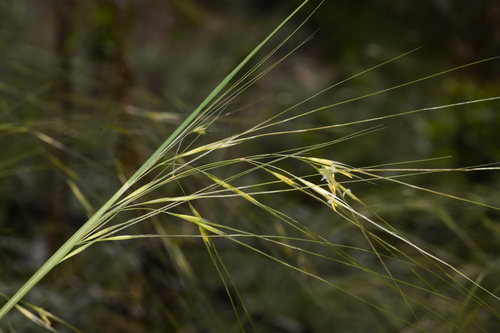
Frequent Companion (c) Trevor Van Loon, some rights reserved (CC BY), uploaded by Trevor Van Loon · cc-by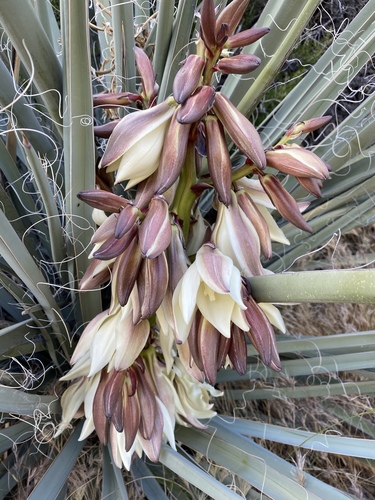
Close Relative (c) Matt Berger, some rights reserved (CC BY), uploaded by Matt Berger · cc-by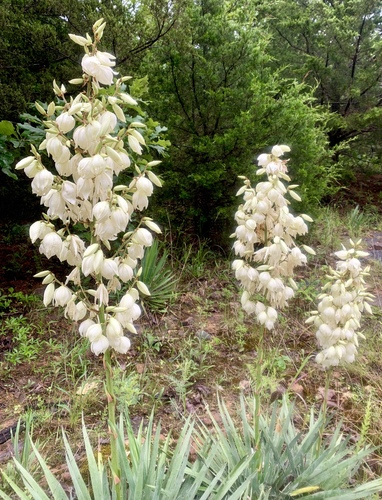
Close Relative (c) Conway Hawn, some rights reserved (CC BY) · cc-by
Help improve the field guideSomething wrong?
Checking your Fauna account…Report a name, category, or profile issue for review.