
Plant · GBIF taxon 2766613
Foxtail Agave
Agave attenuataAlso known as Swan's Neck Agave, Lion's Tail Agave, Soft-leaf Agave
Foxtail Agave forms striking rosettes of soft, pliable, pale green leaves that lack the formidable spines typical of other agaves. After a decade or more of growth, a single massive flower stalk arches gracefully toward the ground, bearing dense clusters of yellowish flowers reminiscent of a fox's tail. Once flowering completes, the main plant dies, leaving behind numerous small offsets around its base to continue the cycle.
SucculentFloweringDrought-Tolerant
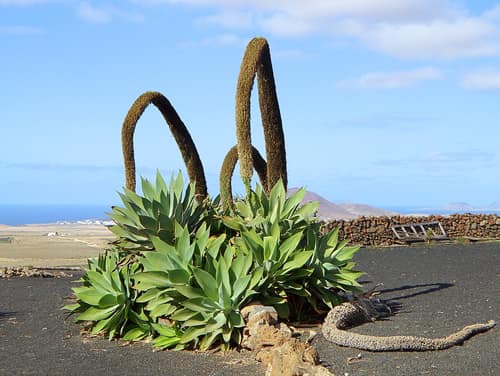
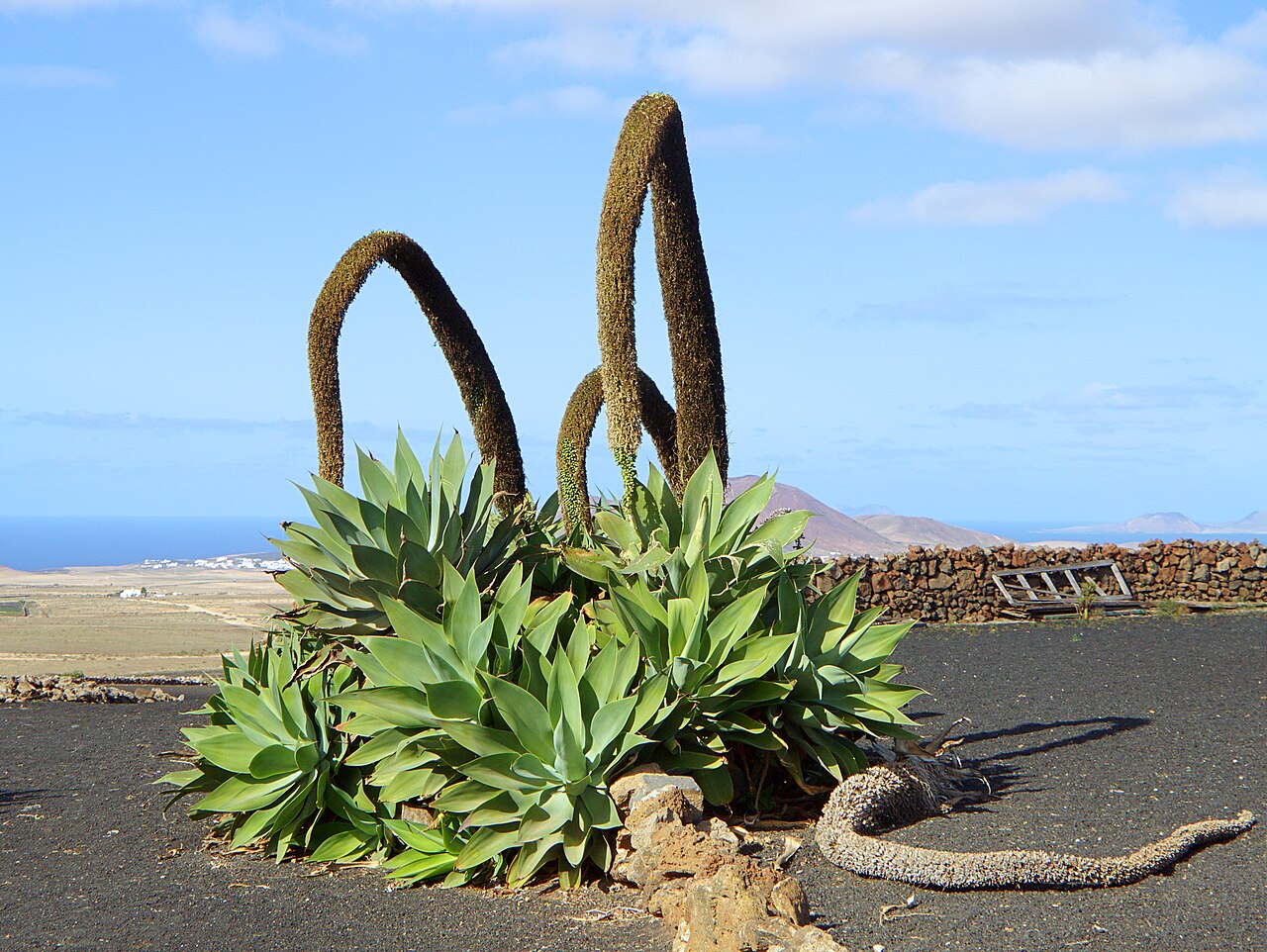
—observations
—countries
—peak records
Least ConcernConservation statusIUCN Red List categoriesLCNTVUENCREWEXLeast ConcernRed List categories, explained →
Diet & prey
- Sunlight
- Water
- Soil Minerals
Predators
- Agave Snout Weevil
- Snails
- Slugs
ThreatsHabitat loss in native range, extreme freezing temperatures, agave snout weevil
HabitatsRocky cliffs, arid slopes, oak-pine forests, cultivated gardens
Life span10–25 years (monocarpic)
Size / weightNot available
Classification
- OrderAsparagales
- FamilyAsparagaceae
- GenusAgave
- SpeciesAgave attenuata
Range data is not available yet.
Interaction riskLow
- Low
- Moderate
- High
- Very high
- Why interaction risk is low
- Plant sap contains oxalates that can cause skin irritation; wear gloves when trimming.
- Why it is dangerous
- Sap contains saponins and microscopic calcium oxalate crystals that cause skin burning and contact dermatitis upon skin exposure.
- How to recognize a risky encounter
- Look for smooth, spineless, pale lime-green leaves arranged in a dense rosette above a thick woody stem.
- What to do
- Wear gloves and eye protection when cutting leaves, and immediately wash any skin contact with soap and water.
Responsible observation
- Pruning Care: Wear protective gloves and long sleeves when trimming lower leaves to avoid sap contact.
- Sunlight Needs: Position in full sun to partial shade for optimal foliage color and rosette density.
- Propagation Technique: Separate and replant the abundant offsets that appear around the base after flowering.
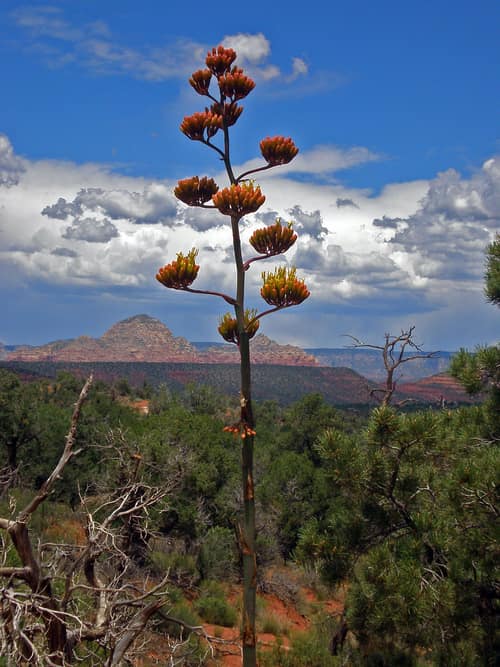
Close Relative "Closeup of Century Plant (Agave)" by Coconino NF Photography is licensed under CC BY-SA 2.0. To view a copy of this license, visit https://creativecommons.org/licenses/by-sa/2.0/. · cc-by-sa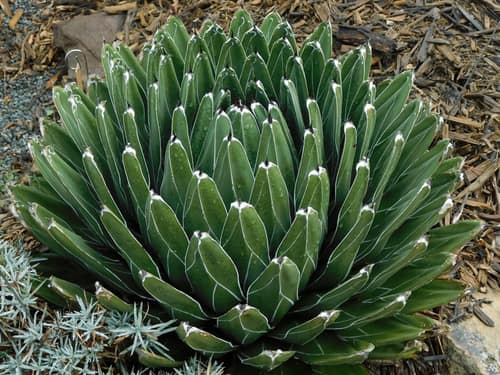
Close Relative (c) Michael J. Papay, some rights reserved (CC BY), uploaded by Michael J. Papay · cc-by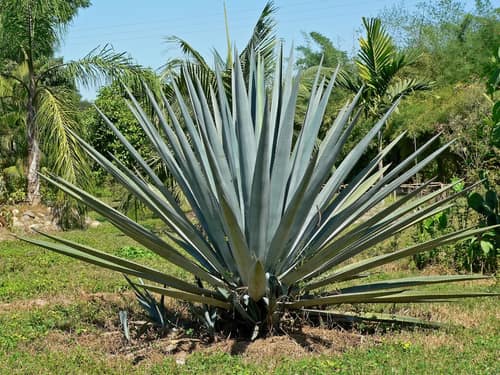
Close Relative (c) Stan Shebs, some rights reserved (CC BY-SA) · cc-by-sa
Keep collecting in Fauna
Found in Collections
Ecosystem chain Pro
Desert Sands
Foxtail Agave is found in this collection. Identify it in Fauna to fill this slot and continue your progress.
Unlock to track progress
Help improve the field guideSomething wrong?
Checking your Fauna account…Report a name, category, or profile issue for review.