
Plant · GBIF taxon 2766436
Mitis Century Plant
Agave mitisAlso known as Celsus Agave, Soft-leaved Agave
Mitis century plant forms compact rosettes of broad, arching succulent leaves that feature relatively soft, harmless marginal teeth compared to its spiky desert cousins. Native to misty canyon cliffs and pine-oak woodlands of eastern Mexico, it thrives in higher humidity, cooler temperatures, and partial shade. After many years of steady growth, each rosette produces a towering inflorescence of greenish-yellow blossoms before dying, perpetuating the clump through prolific basal pups.
SucculentFloweringDrought-Tolerant
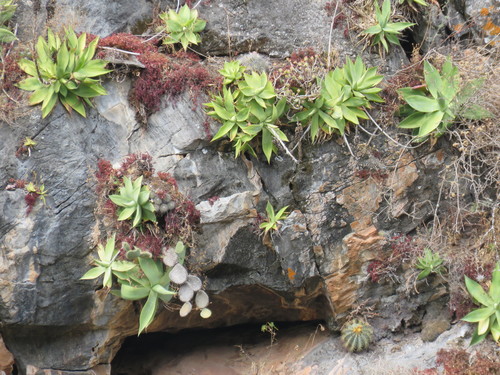
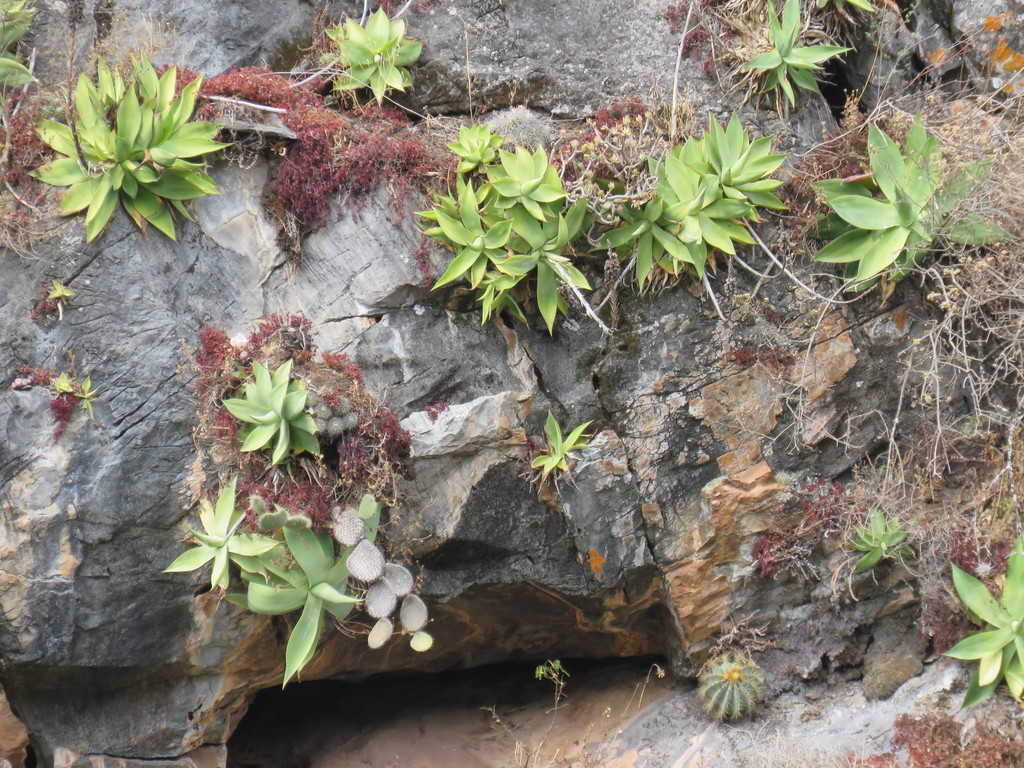
—observations
—countries
—peak records
Least ConcernConservation statusIUCN Red List categoriesLCNTVUENCREWEXLeast ConcernRed List categories, explained →
Diet & prey
- Autotrophic (photosynthesis via Crassulacean Acid Metabolism)
Predators
- Agave Snout Weevil
- Feral Goats
ThreatsHabitat loss from quarrying, agricultural clearing, and illegal wild collection
HabitatsRocky limestone cliffs, pine-oak woodlands, and cloud forest margins
Life span15–30 years per rosette
Size / weightNot available
Classification
- FamilyAsparagaceae
- SpeciesAgave mitis
Range data is not available yet.
Interaction riskHigh
- Low
- Moderate
- High
- Very high
- Why interaction risk is high
- Raw sap contains irritating calcium oxalate crystals; avoid skin contact and keep away from pets.
- Why it is dangerous
- Sap contains insoluble calcium oxalate raphides and saponins that cause contact dermatitis, intense itching, and oral irritation in pets.
- How to recognize a risky encounter
- Look for wide, fleshy green leaves arranged in a dense rosette with reddish or pale marginal prickles.
- What to do
- Wear thick gloves when trimming leaves, and wash exposed skin immediately with soap and cool water.
Responsible observation
- Garden Placement: Provide gritty, well-draining soil and partial sun in warm temperate or Mediterranean zones.
- Handling Care: Wear gardening gloves when pruning damaged leaves to prevent skin contact with raw sap.
- Offset Division: Gently detach rooted basal suckers in spring to propagate new specimen rosettes.
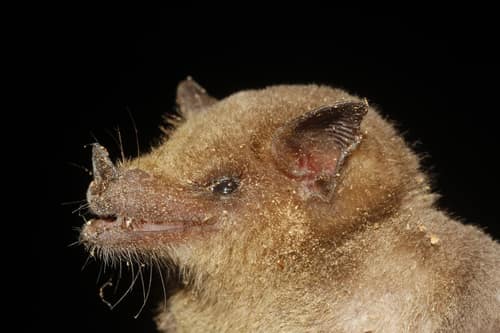
Pollinator (c) Juan Cruzado Cortés, some rights reserved (CC BY-SA), uploaded by Juan Cruzado Cortés · cc-by-sa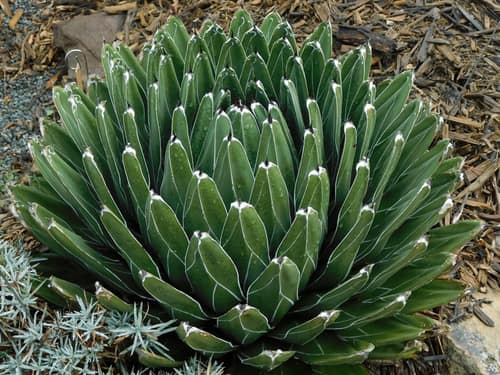
Close Relative (c) Michael J. Papay, some rights reserved (CC BY), uploaded by Michael J. Papay · cc-by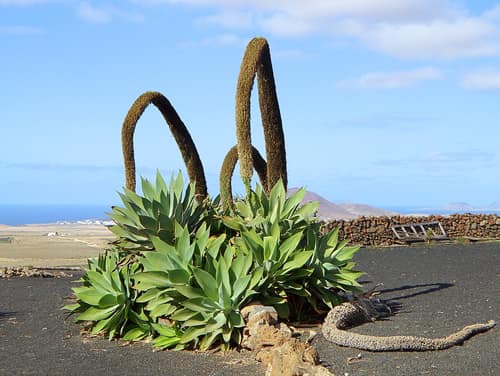
Close Relative H. Zell / CC BY-SA 3.0 · cc-by-sa
Help improve the field guideSomething wrong?
Checking your Fauna account…Report a name, category, or profile issue for review.