
Plant
Western Spiderwort
Tradescantia occidentalisAlso known as Prairie Spiderwort
Western spiderwort produces striking three-petaled flowers that open each morning and liquefy into a watery jelly by afternoon heat. Dense clusters of glandular hairs coat the flower stems and sepals, protecting the developing buds from crawling insect herbivores. Adapted to arid grasslands, its succulent, grass-like leaves channel precious prairie rainfall directly down toward a resilient root cluster.
WildflowerGrasslandDrought-Tolerant
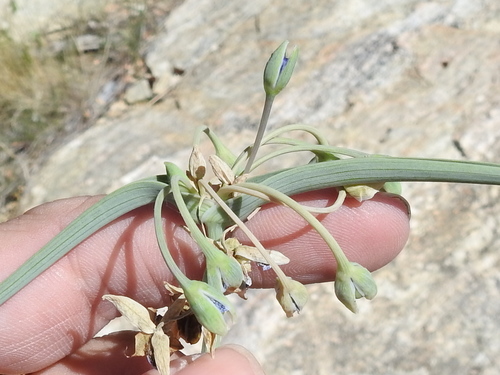
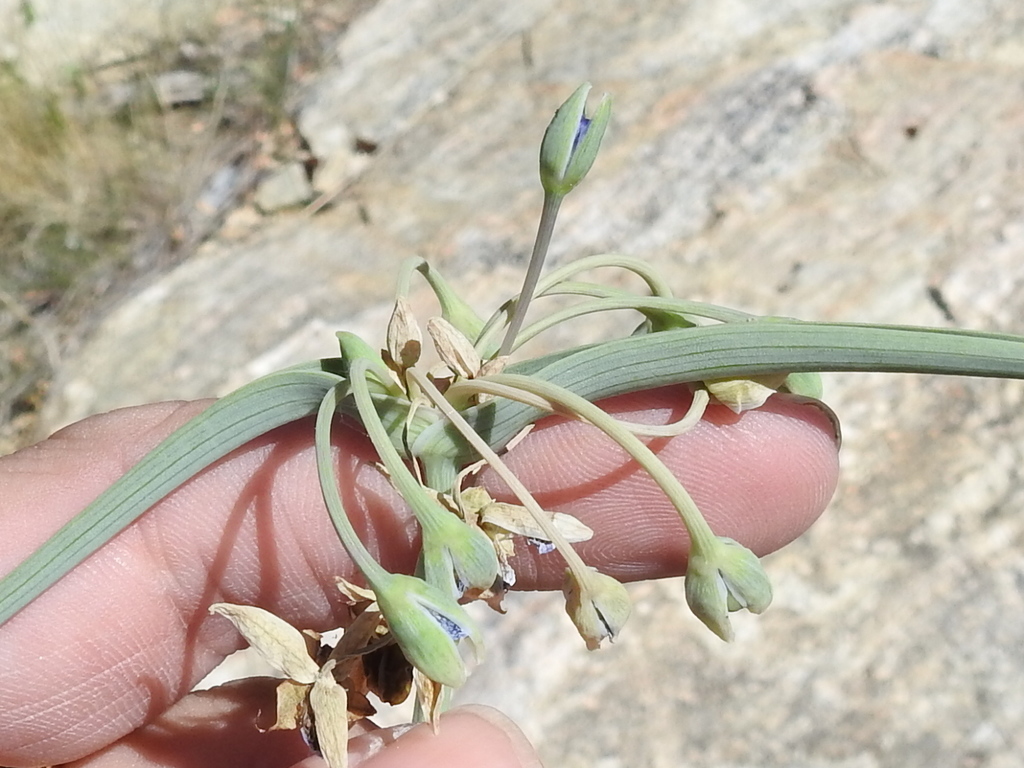
—observations
—countries
—peak records
Least ConcernConservation statusIUCN Red List categoriesLCNTVUENCREWEXLeast ConcernRed List categories, explained →
Diet & preyPhotosynthetic (autotroph)
Predators
- Mule Deer
- Cottontail Rabbit
- Grasshopper
ThreatsHabitat conversion to agriculture, invasive grasses, and prolonged severe droughts
HabitatsSandy prairies, open woodlands, rocky slopes, and stabilized sand dunes
Life spanPerennial (5–15 years)
Classification
- FamilyCommelinaceae
- SpeciesTradescantia occidentalis
Range data is not available yet.
Interaction riskLow
- Low
- Moderate
- High
- Very high
- Why interaction risk is low
- Safe to observe at a normal distance.
Responsible observation
- Morning Viewing: Visit before midday to see the vibrant blue blossoms open before they fade.
- Sand Dune Habitats: Watch your step in delicate sandy prairie environments to avoid uprooting plants.
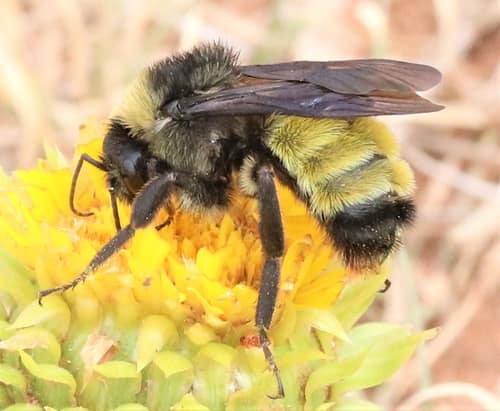
Pollinator (c) crseaquist, some rights reserved (CC BY), uploaded by crseaquist · cc-by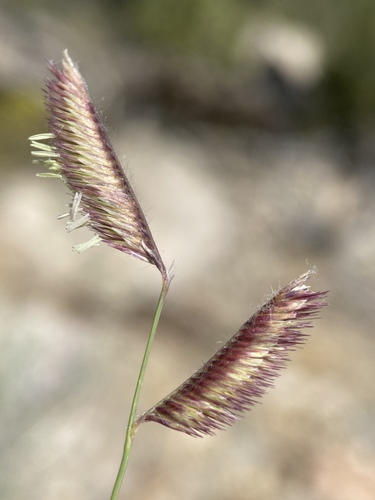
Frequent Companion (c) Matt Berger, some rights reserved (CC BY), uploaded by Matt Berger · cc-by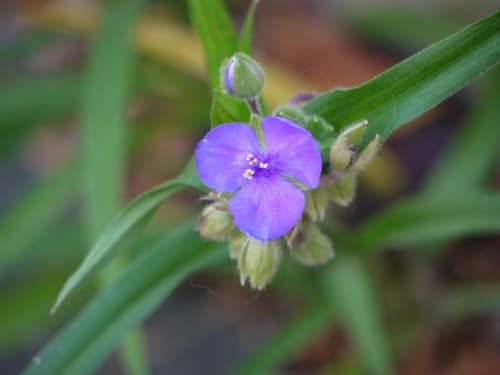
Close Relative (c) Alexis Tinker-Tsavalas, some rights reserved (CC BY), uploaded by Alexis Tinker-Tsavalas · cc-by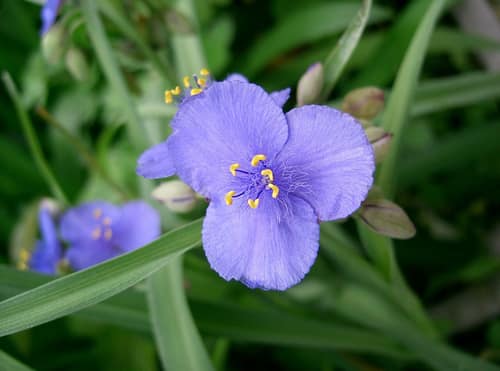
Close Relative KENPEI / CC BY-SA 3.0 · cc-by-sa
Help improve the field guideSomething wrong?
Checking your Fauna account…Report a name, category, or profile issue for review.