
Plant
Waxy Spiderwort
Tradescantia cerinthoidesAlso known as Flowering Inch Plant
Waxy spiderwort forms dense, sprawling mats of succulent stems lined with fleshy, dark green leaves that feature rich purple undersides. Clusters of delicate, three-petaled white flowers tipped with vivid rose-pink emerge from hairy bracts at branch ends to attract hoverflies and solitary bees. While celebrated globally as a hardy houseplant and ornamental groundcover, broken stem fragments root readily at nodes and can smother native understory plants.
TrailingOrnamentalPerennial
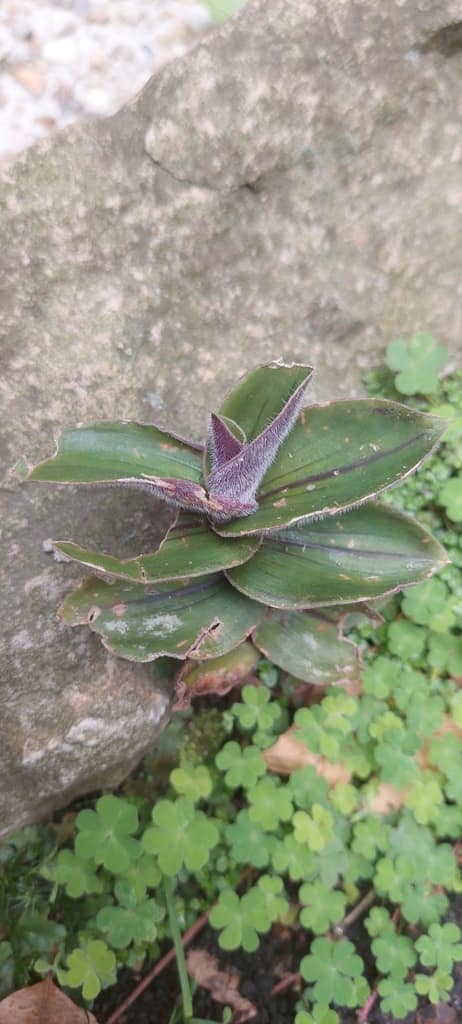
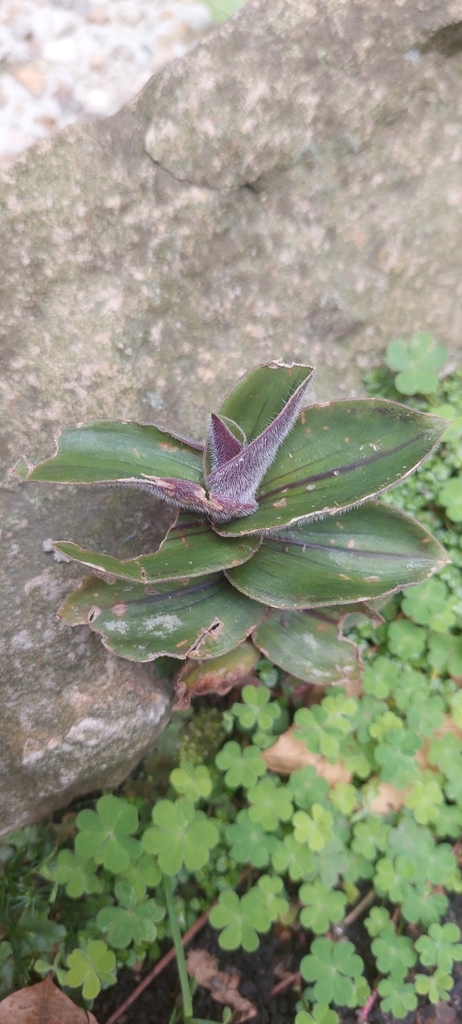
—observations
—countries
—peak records
Not EvaluatedConservation statusIUCN Red List categoriesLCNTVUENCREWEXNot Evaluated — not placed on the risk ladderRed List categories, explained →
Diet & preyPhotoautotrophic
Predators
- Slugs
- Snails
- Spider Mites
ThreatsHabitat conversion in native range; treated as an invasive exotic weed elsewhere
HabitatsSubtropical forest understories, shaded riverbanks, and disturbed forest margins
Life spanPerennial (indefinite via vegetative rooting)
Classification
- OrderCommelinales
- FamilyCommelinaceae
- GenusTradescantia
- SpeciesTradescantia cerinthoides
Range data is not available yet.
Interaction riskHigh
- Low
- Moderate
- High
- Very high
- Why interaction risk is high
- Sap can cause contact dermatitis and digestive upset in pets; avoid letting animals chew the foliage.
- Why it is dangerous
- Plant tissues contain microscopic calcium oxalate crystals that trigger allergic contact dermatitis and digestive distress in dogs and cats.
- How to recognize a risky encounter
- Look for thick, brittle stems with alternately arranged oval leaves that are dark green above and distinctly magenta beneath.
- What to do
- Wear garden gloves when clearing large patches, and keep potted specimens safely out of reach of domestic pets.
Responsible observation
- Propagation: Snip a stem just below a jointed node and place it in moist soil to root.
- Containment: Grow in hanging planters to keep trailing runners from escaping into local bushland.
- Pruning: Pinch back growing tips regularly to promote a bushier and more compact habit.
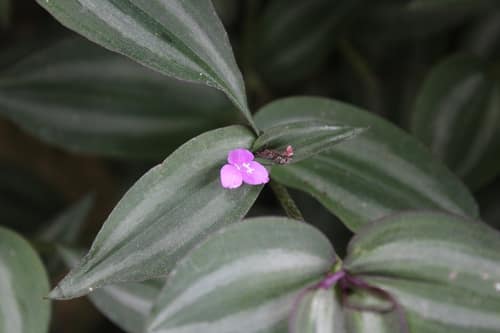
Close Relative (c) Ricard Busquets Reverte, some rights reserved (CC BY), uploaded by Ricard Busquets Reverte · cc-by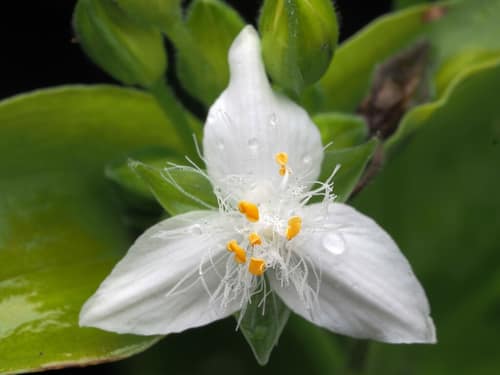
Close Relative (c) Saryu Mae 前 朝琉, some rights reserved (CC BY), uploaded by Saryu Mae 前 朝琉 · cc-by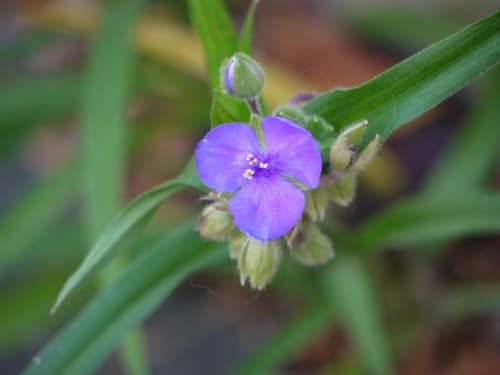
Close Relative (c) Alexis Tinker-Tsavalas, some rights reserved (CC BY), uploaded by Alexis Tinker-Tsavalas · cc-by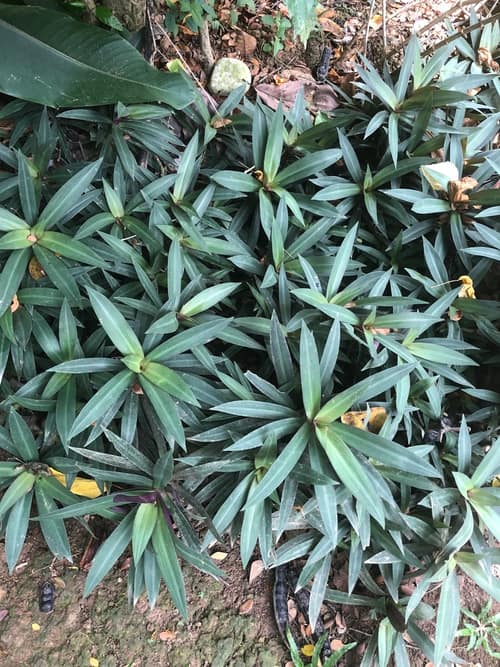
Close Relative no rights reserved, uploaded by Parker Hopkins · cc0
Help improve the field guideSomething wrong?
Checking your Fauna account…Report a name, category, or profile issue for review.