
Plant
Purple Heart
Tradescantia pallidaAlso known as Purple Queen, Purple Secretia
Purple heart carpets garden beds and rock outcroppings with striking, deep-violet lanceolate foliage that intensifies in direct sunlight. Small, three-petaled pink blossoms emerge continuously from modified boat-shaped bracts at the stem tips, each opening for only a single morning before closing forever. The succulent, brittle stems root readily at the nodes upon contacting moist soil, allowing dense colonies to spread rapidly across disturbed ground.
GroundcoverDrought-TolerantPerennial
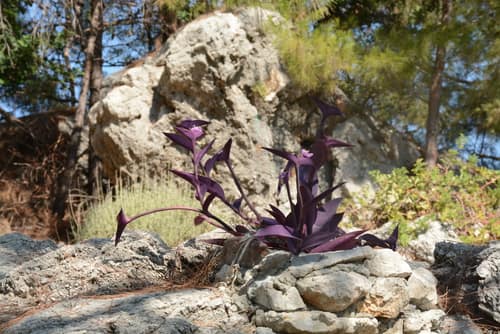
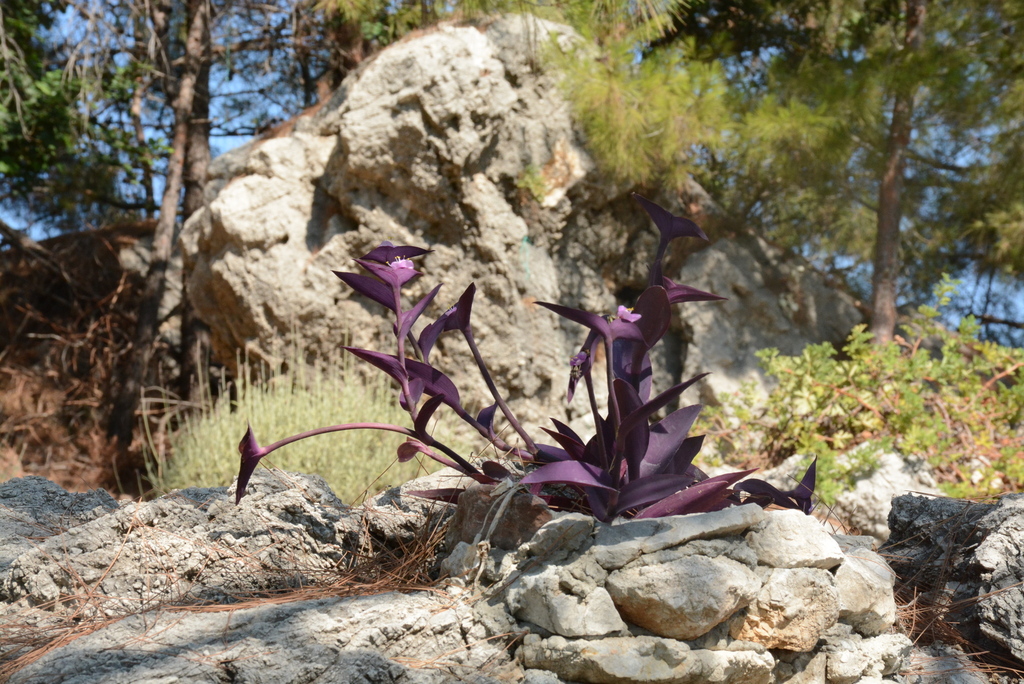
—observations
—countries
—peak records
Not EvaluatedConservation statusIUCN Red List categoriesLCNTVUENCREWEXNot Evaluated — not placed on the risk ladderRed List categories, explained →
Diet & preySunlight, Water, Soil nutrients
Predators
- Garden snails
- Slugs
- Caterpillars
ThreatsProlonged hard freezes and poorly drained, waterlogged soils
HabitatsArid scrublands, rocky hillsides, coastal thickets, and cultivated gardens
Life spanPerennial (indefinite via vegetative cloning)
Classification
- OrderCommelinales
- FamilyCommelinaceae
- GenusTradescantia
- SpeciesTradescantia pallida
Range data is not available yet.
Interaction riskHigh
- Low
- Moderate
- High
- Very high
- Why interaction risk is high
- Sap can cause contact dermatitis in humans and toxic skin or digestive reactions in pets.
- Why it is dangerous
- Plant tissues contain irritating sap that triggers contact dermatitis, skin rashes, and digestive upset in cats and dogs.
- How to recognize a risky encounter
- Look for fleshy, brittle stems clothed in dark purple clasping leaves with small three-petaled pink flowers.
- What to do
- Wear protective gloves when dividing or pruning, and keep potted specimens safely away from companion animals.
Responsible observation
- Sunlight Management: Provide intense, direct light to maintain deep purple coloration without leggy stretching.
- Safe Pruning: Wear gardening gloves when trimming to avoid irritation from watery, caustic stem sap.
- Vegetative Propagation: Snip stem cuttings below a node and submerge in water to initiate roots within days.
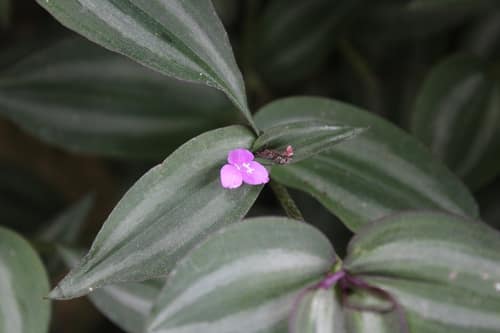
Close Relative (c) Ricard Busquets Reverte, some rights reserved (CC BY), uploaded by Ricard Busquets Reverte · cc-by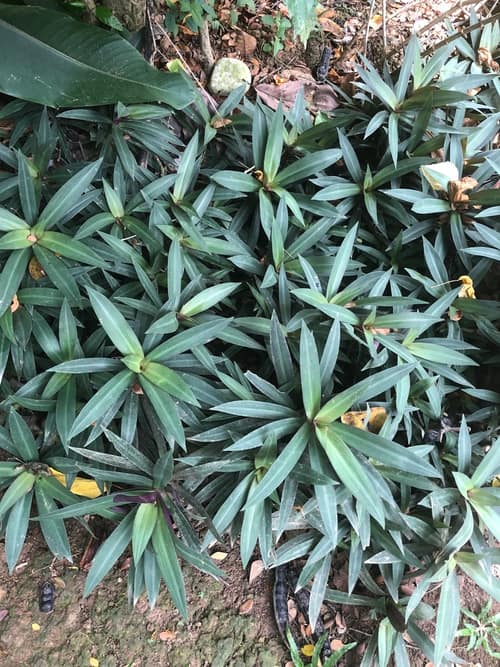
Close Relative no rights reserved, uploaded by Parker Hopkins · cc0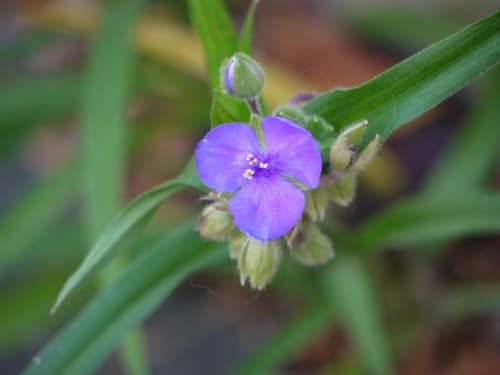
Close Relative (c) Alexis Tinker-Tsavalas, some rights reserved (CC BY), uploaded by Alexis Tinker-Tsavalas · cc-by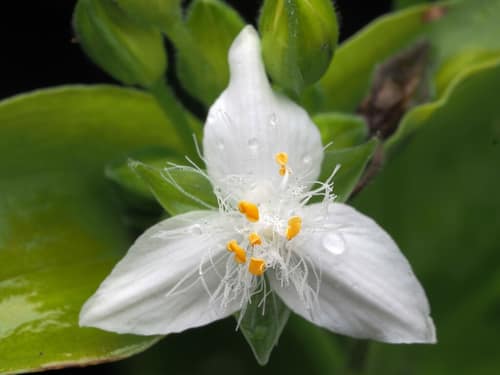
Close Relative (c) Saryu Mae 前 朝琉, some rights reserved (CC BY), uploaded by Saryu Mae 前 朝琉 · cc-by
Help improve the field guideSomething wrong?
Checking your Fauna account…Report a name, category, or profile issue for review.