
Plant · GBIF taxon 2763116
Common Bird-of-paradise Flower
Strelitzia reginaeAlso known as Crane Flower, Bird of Paradise, Isigude
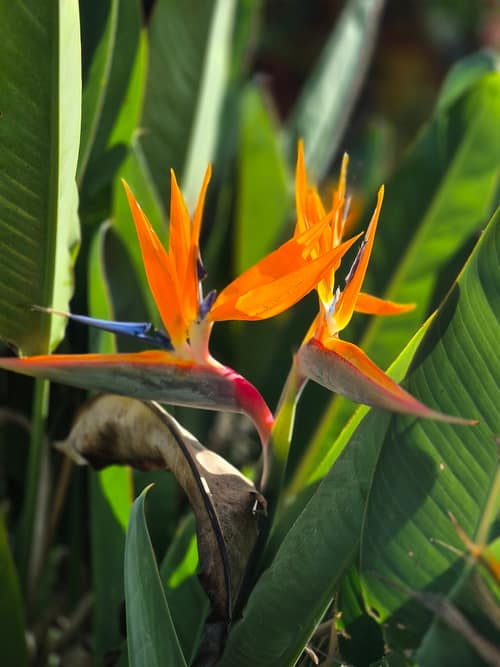
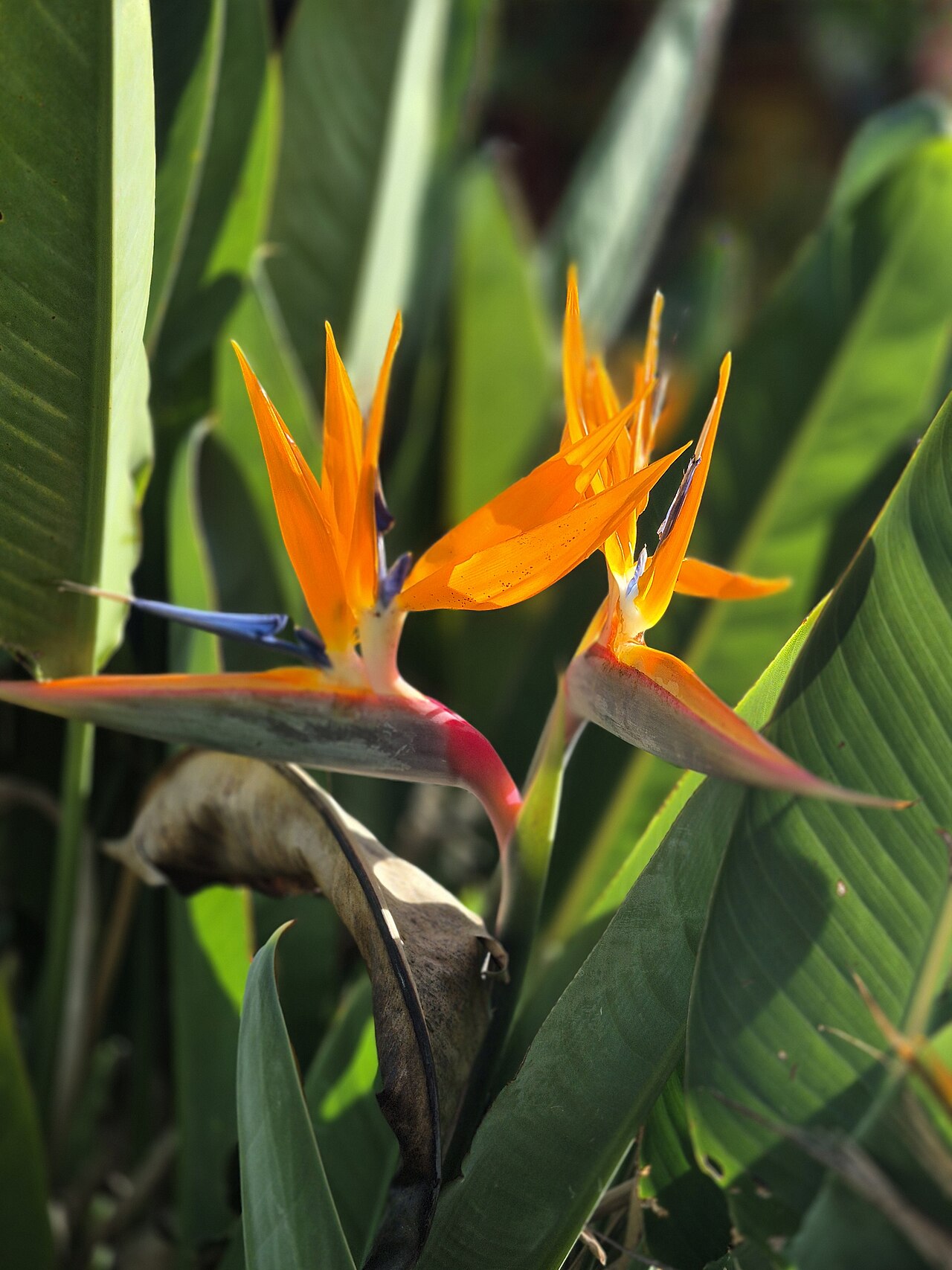
Bold orange and vivid blue flowers emerge from stiff, beak-like spathes, creating an uncanny resemblance to a crested tropical bird in flight. Stiff, paddle-shaped leaves grow in dense evergreen clumps that store water and withstand coastal winds. In its native South African habitat, sunbirds land on the hard spathe to sip nectar, triggering the flower to dust their feet with pollen.
FloweringEvergreenOrnamental
—observations
—countries
—peak records
Least ConcernConservation statusIUCN Red List categoriesLCNTVUENCREWEXLeast ConcernRed List categories, explained →
Diet & prey
- Sunlight
- Water
- Soil nutrients
Predators
- Scale insects
- Snails
- Mealybugs
ThreatsHabitat loss in native range, severe frost exposure
HabitatsCoastal thickets, riverbanks, subtropical gardens
Life span50+ years
Classification
- OrderZingiberales
- FamilyStrelitziaceae
- GenusStrelitzia
- SpeciesStrelitzia reginae
Range data is not available yet.
Interaction riskHigh
- Low
- Moderate
- High
- Very high
- Why interaction risk is high
- Mildly toxic to pets and humans if ingested; keep away from curious pets.
- Why it is dangerous
- Contains mild toxins that cause nausea, vomiting, and gastrointestinal distress if consumed, especially by dogs and cats.
- How to recognize a risky encounter
- Recognized by its stiff, beak-like spathe sprouting bright orange petals and a vivid blue tongue.
- What to do
- Keep indoor potted specimens out of reach of pets, and do not ingest any plant parts.
Responsible observation
- Sunlight: Provide direct, full sun for abundant and brilliant blossoms.
- Frost Protection: Move indoors or cover when temperatures drop near freezing.
- Watering: Keep soil evenly moist during spring and summer growth.
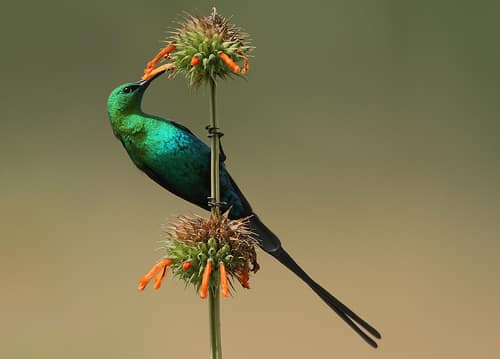
Pollinator (c) Steve Garvie, some rights reserved (CC BY-SA) · cc-by-sa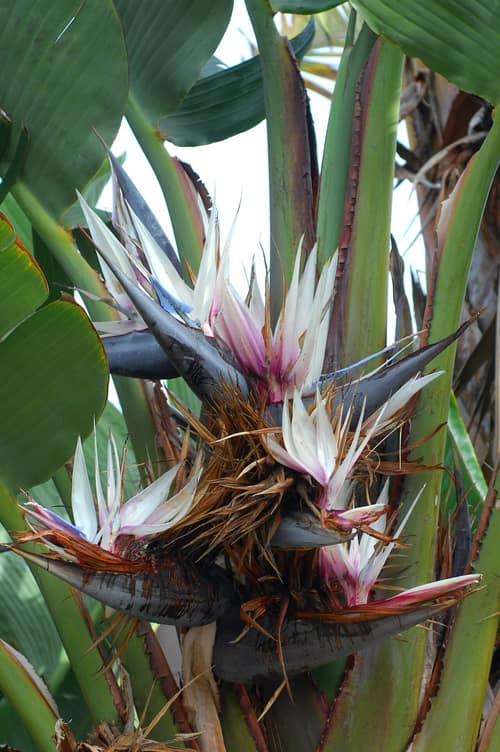
Close Relative Eric in SF / CC BY-SA 3.0 · cc-by-sa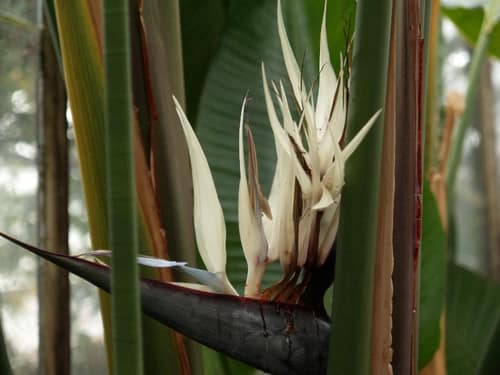
Close Relative Wayne Boucher / CC BY-SA 2.5 · cc-by-sa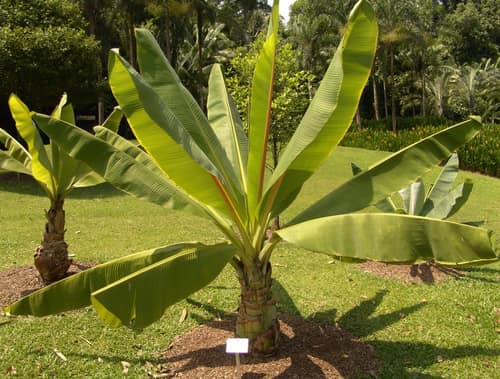
Order Relative (c) Drew Avery, some rights reserved (CC BY) · cc-by
Keep collecting in Fauna
Found in Collections
Species set Pro
Windowsill Flora
Common Bird-of-paradise Flower is found in this collection. Identify it in Fauna to fill this slot and continue your progress.
Unlock to track progress
Help improve the field guideSomething wrong?
Checking your Fauna account…Report a name, category, or profile issue for review.