
Plant
Alstroemeria pelegrina
Alstroemeria pelegrinaAlso known as Peruvian Lily, Lily of the Incas, Inca Lily
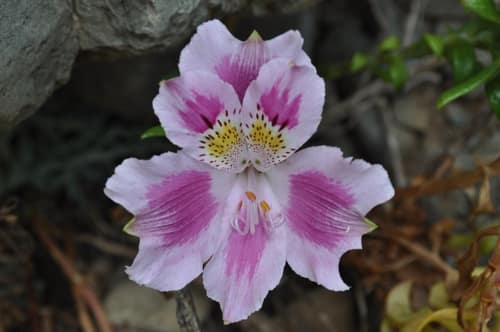
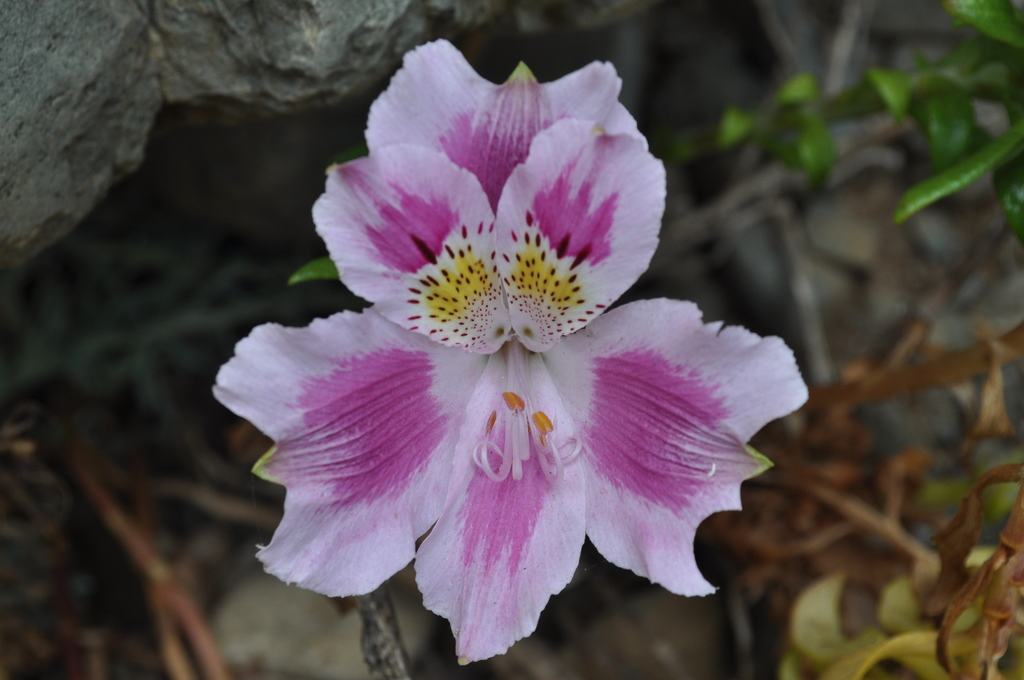
Peruvian lilies cling to exposed rocky cliffs and scrublands along central Chile's coast, where cool maritime mists support their summer blooms. Their striking violet-pink flowers feature flaring tepals decorated with rich purple flecks that guide native pollinating bees to nectar stores. Uniquely, their leaves undergo resupination as they grow, twisting 180 degrees at the base to face upside down.
EndemicFloweringPerennial
—observations
—countries
—peak records
Not EvaluatedConservation statusIUCN Red List categoriesLCNTVUENCREWEXNot Evaluated — not placed on the risk ladderRed List categories, explained →
Diet & preyAutotrophic (Photosynthesis)
Predators
- Snails and slugs
- Grazing livestock
- Caterpillars
ThreatsCoastal development, habitat degradation, invasive weeds
HabitatsCoastal cliffs, rocky slopes, scrublands
Life spanPerennial (10+ years via rhizomes)
Classification
- OrderLiliales
- FamilyAlstroemeriaceae
- GenusAlstroemeria
- SpeciesAlstroemeria pelegrina
Range data is not available yet.
Interaction riskHigh
- Low
- Moderate
- High
- Very high
- Why interaction risk is high
- Toxic to dogs and cats if ingested; keep plants away from curious pets.
- Why it is dangerous
- Contains tulipalin compounds that cause mild gastrointestinal upset in pets and contact dermatitis in sensitive skin.
- How to recognize a risky encounter
- Features large orchid-like pink-violet blooms with dark streaks and twisted leaves on upright stems.
- What to do
- Wear gloves when cutting stems for flower arrangements and keep domestic pets away.
Responsible observation
- Observation: Look for flowers along rocky Pacific sea cliffs between spring and early summer.
- Gardening: Provide well-drained soil and protection from hard frosts in temperate gardens.
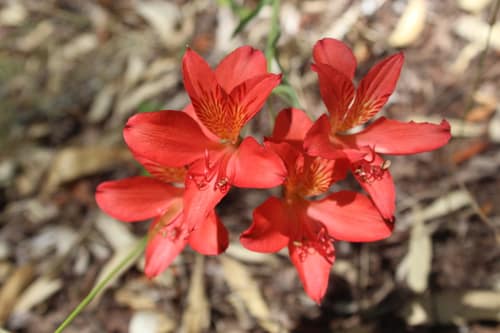
Close Relative (c) Bárbara Daniela Jara Ríos, some rights reserved (CC BY), uploaded by Bárbara Daniela Jara Ríos · cc-by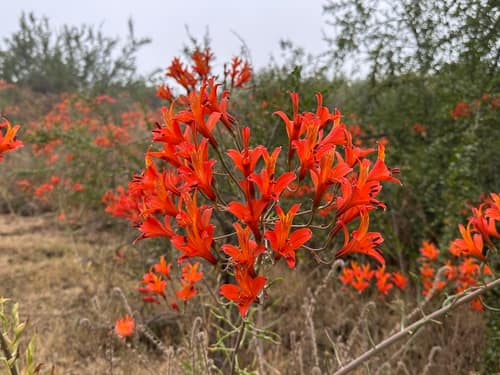
Close Relative (c) nitsuga74, some rights reserved (CC BY) · cc-by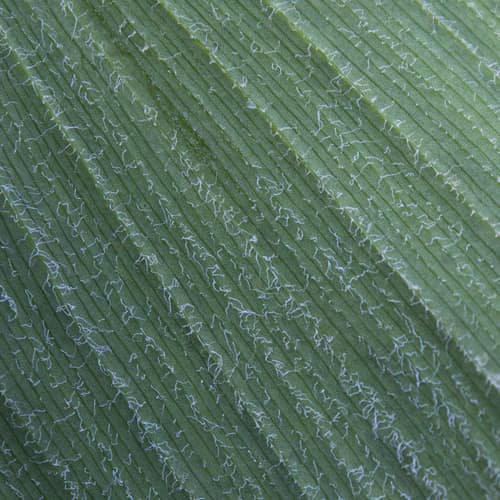
Family Member (c) Ángela Patricia Rojas Cortés, some rights reserved (CC BY-SA), uploaded by Ángela Patricia Rojas Cortés · cc-by-sa
Help improve the field guideSomething wrong?
Checking your Fauna account…Report a name, category, or profile issue for review.