
Plant · GBIF taxon 2753786
Peruvian Lily
Alstroemeria aureaAlso known as Golden Lily of the Incas, Yellow Alstroemeria, Inca Lily
Golden blossoms splashed with reddish-brown streaks brighten woodland edges and moist slopes across southern South America. Underground rhizomes spread vigorously to form long-lived patches that withstand frost and fire, reshooting quickly each spring. Highly prized in horticulture, these showy flowers produce seed pods that explode when ripe to fling seeds away from the parent plant.
PerennialShowy FlowersOrnamental
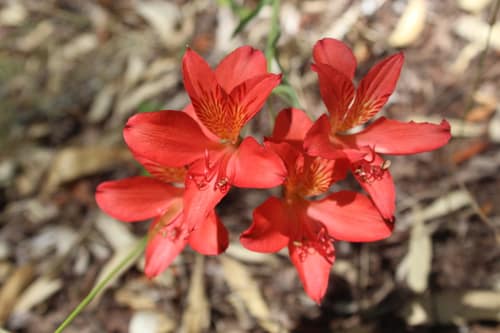
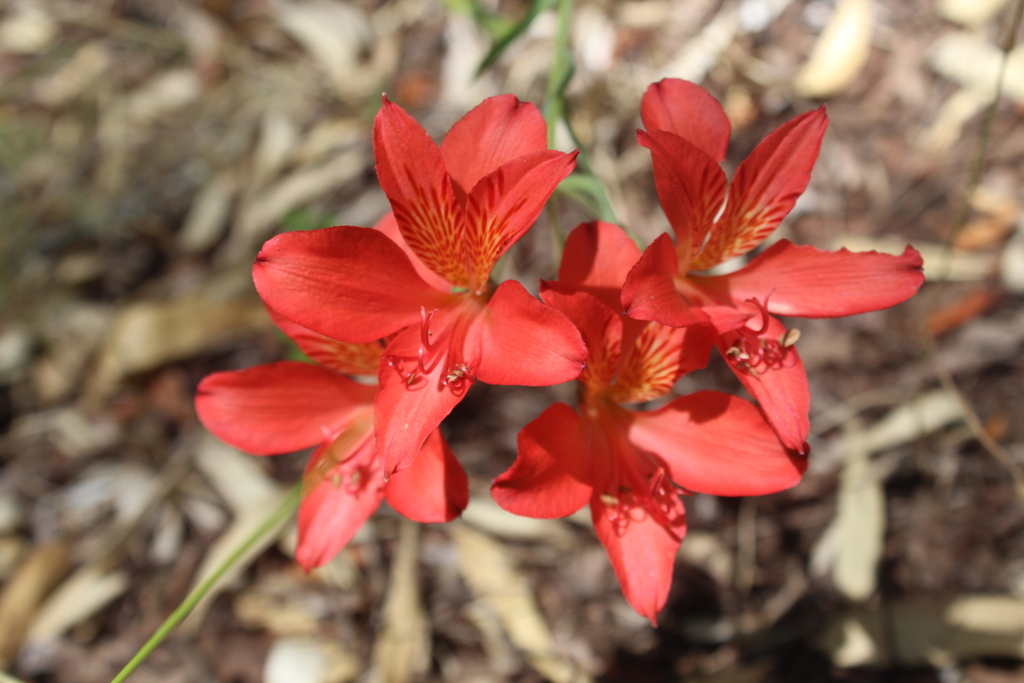
—observations
—countries
—peak records
Least ConcernConservation statusIUCN Red List categoriesLCNTVUENCREWEXLeast ConcernRed List categories, explained →
Diet & prey
- Autotrophic (photosynthetic)
Predators
- Slugs and Snails
- Browsing Mammals
- Aphids
ThreatsHabitat clearance in native range, invasive spreading in introduced areas
HabitatsTemperate forests, woodland margins, scrublands, garden landscapes
Life span5–15 years (perennial via spreading rhizomes)
Size / weightNot available
Classification
- OrderLiliales
- FamilyAlstroemeriaceae
- GenusAlstroemeria
- SpeciesAlstroemeria aurea
Range data is not available yet.
Interaction riskHigh
- Low
- Moderate
- High
- Very high
- Why interaction risk is high
- Contains tuliposide, which can irritate skin and cause upset in pets; wild blooms have toxic look-alikes.
- Why it is dangerous
- Plant sap contains tuliposide A, which converts to tulipalin A and causes contact dermatitis alongside gastrointestinal distress if eaten by pets.
- How to recognize a risky encounter
- Look for clusters of funnel-shaped orange-yellow flowers with streaked inner petals on leafy upright stems.
- What to do
- Wear gloves when cutting stems or division of clumps, and keep cut flowers out of reach of cats and dogs.
Responsible observation
- Garden Cultivation: Plant in fertile, well-draining soil with partial sun to light shade.
- Handling Precautions: Wear gloves when pruning stems to avoid contact dermatitis from sap.
- Container Growing: Keep roots confined in large pots if you wish to prevent aggressive underground spreading.
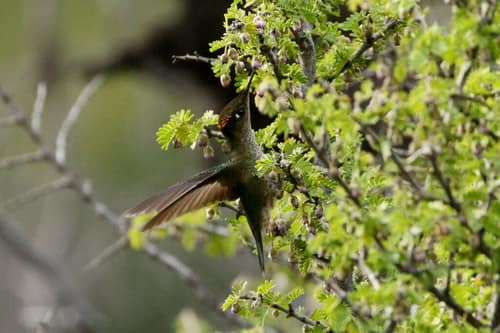
Pollinator (c) ivesklein, some rights reserved (CC BY) · cc-by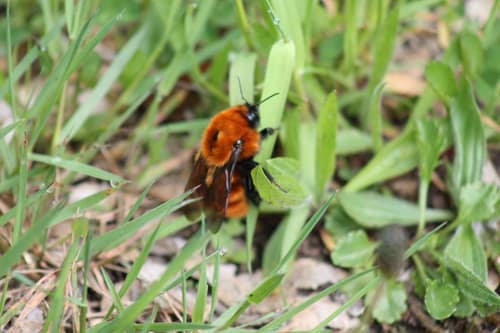
Pollinator (c) Nelson Atencio, some rights reserved (CC BY) · cc-by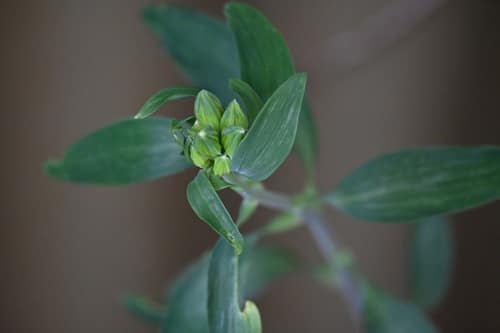
Close Relative (c) jraus, some rights reserved (CC BY-SA) · cc-by-sa
Help improve the field guideSomething wrong?
Checking your Fauna account…Report a name, category, or profile issue for review.