
Plant · GBIF taxon 2738434
Manila Palm
Adonidia merrilliiAlso known as Christmas Palm, Kerpis Palm
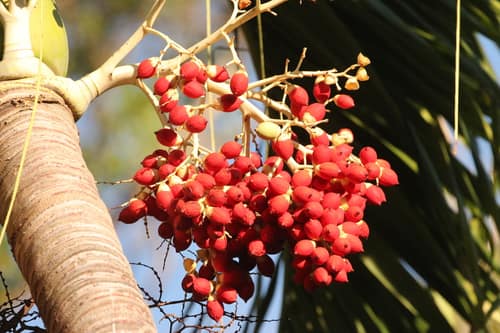
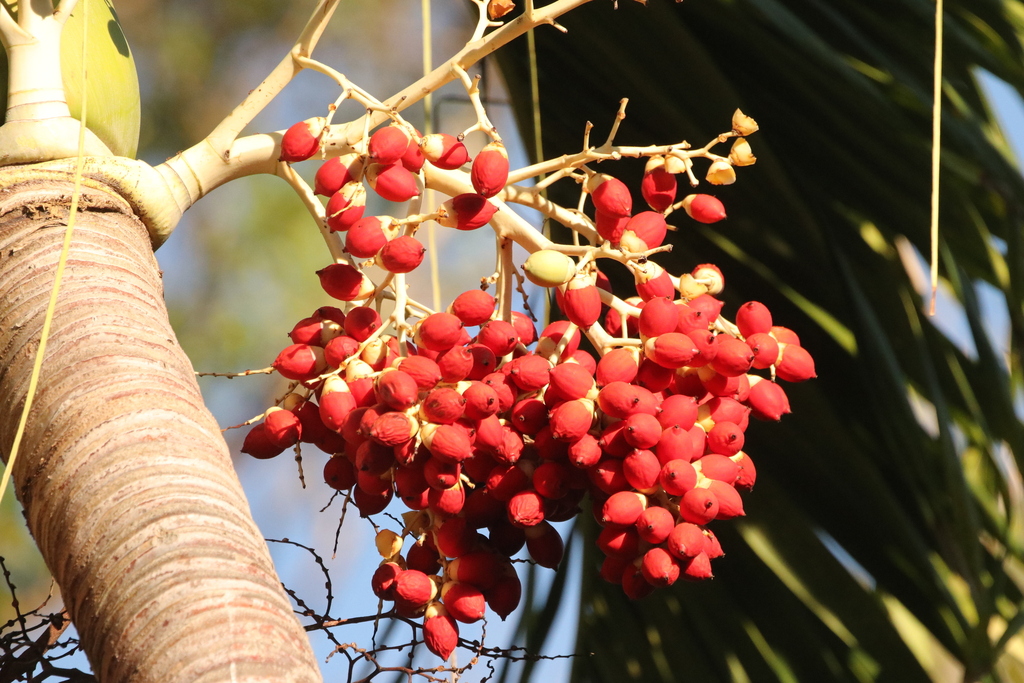
Manila palms are compact, solitary feather palms native to limestone karst formations in the Philippines, widely recognized for their neat crownshaft and arching pinnate fronds. Pendant inflorescences emerge directly beneath the crown, yielding heavy clusters of ovoid fruits that turn from glossy green to bright crimson as winter approaches. While heavily cultivated in tropical landscapes worldwide, wild populations remain restricted and face severe pressure from habitat loss.
TreeTropicalOrnamental
—observations
—countries
—peak records
VulnerableConservation statusIUCN Red List categoriesLCNTVUENCREWEXVulnerableRed List categories, explained →
Diet & prey
- Autotrophic (photosynthesis)
Predators
- Red Palm Weevil
- Coconut Rhinoceros Beetle
ThreatsHabitat destruction, limestone quarrying, and lethal yellowing disease
HabitatsTropical moist lowland forest, limestone karst, coastal scrub
Life span30–50 years
Classification
- OrderArecales
- FamilyArecaceae
- GenusAdonidia
- SpeciesAdonidia merrillii
Range data is not available yet.
Interaction riskLow
- Low
- Moderate
- High
- Very high
- Why interaction risk is low
- Wild fruits have toxic look-alikes; never eat based on app identification alone. Safe to observe at a normal distance.
- What to notice
- Recognize wild stands on rocky limestone bluffs by their compact crown of 10 to 12 recurved fronds and ringed gray trunks.
- Support conservation
- Leave wild plants and their fallen seeds undisturbed in native habitats; source plants exclusively from certified nurseries.
Responsible observation
- Seasonal Timing: Look for bright scarlet fruits maturing directly beneath the crownshaft from late autumn through winter.
- Health Monitoring: Check the canopy for premature fruit drop or spear leaf wilting, which indicate lethal yellowing infections.
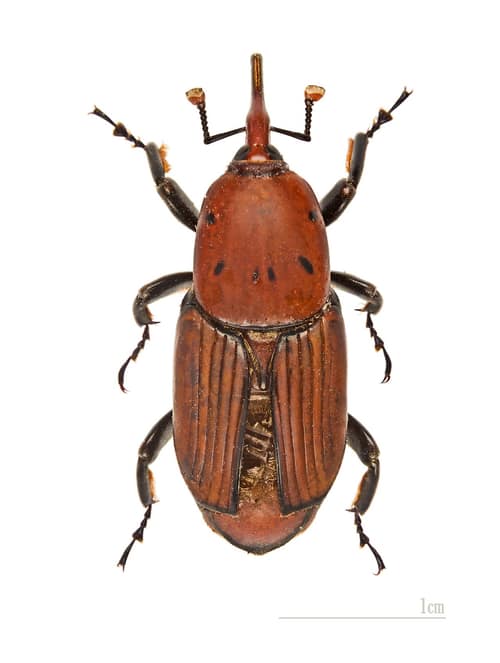
Parasite Didier Descouens / CC BY-SA 4.0 · cc-by-sa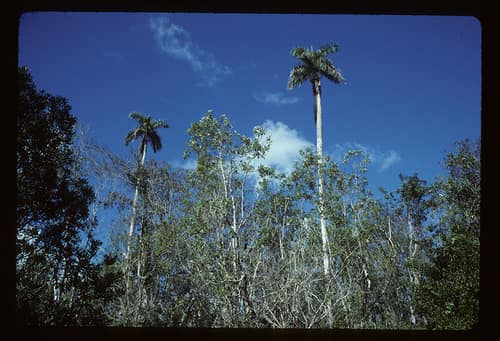
Frequent Companion (c) Douglas Goldman, some rights reserved (CC BY-SA), uploaded by Douglas Goldman · cc-by-sa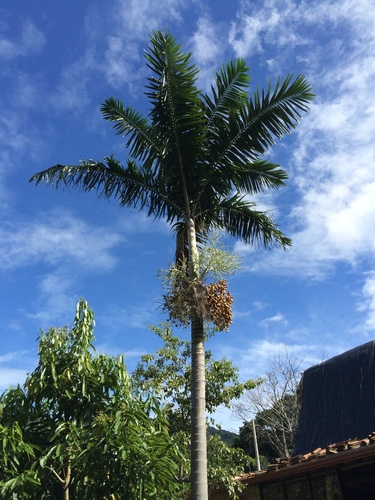
Close Relative (c) Luis Diego Garcia, some rights reserved (CC BY) · cc-by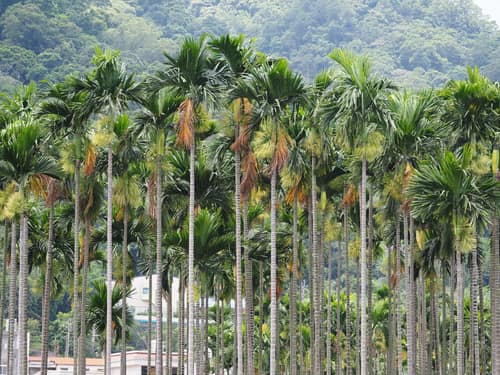
Same Family no rights reserved, uploaded by 葉子 · cc0
Help improve the field guideSomething wrong?
Checking your Fauna account…Report a name, category, or profile issue for review.