
Plant · GBIF taxon 2733755
Royal Palm
Roystonea regiaAlso known as Cuban Royal Palm, Florida Royal Palm
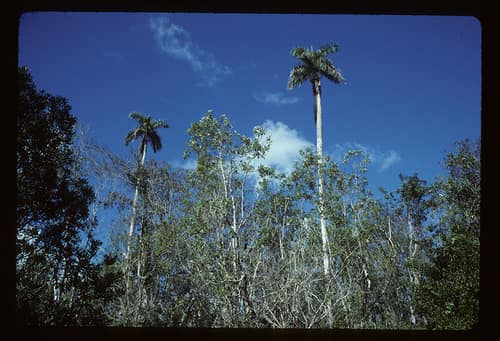
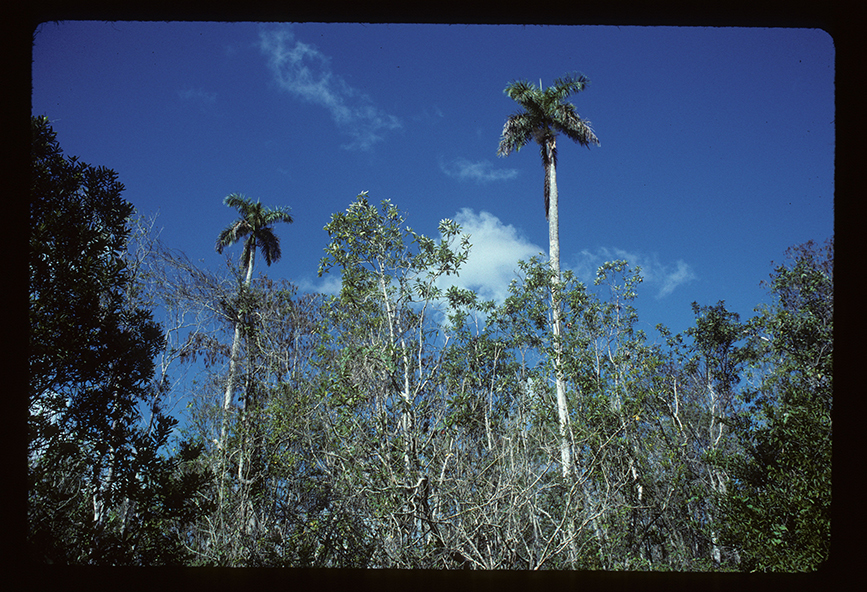
Royal palms tower over tropical landscapes with smooth, marble-like grey trunks featuring a swollen base and a striking bright green crownshaft. Large feathery fronds arch gracefully from the top, providing roosts and nest sites for diverse tropical birds and bats. During flowering season, massive yellow inflorescences emerge beneath the crownshaft, attracting thousands of pollinating bees.
PalmTropicalTree
 1 / 7
1 / 7—observations
—countries
—peak records
Least ConcernConservation statusIUCN Red List categoriesLCNTVUENCREWEXLeast ConcernRed List categories, explained →
Diet & prey
- Sunlight
- Water
- Soil nutrients
ThreatsHabitat loss, lethal bronzing disease, and extreme cold snaps
HabitatsSwamp forests, riverbanks, hammocks, and landscaped tropical urban areas
Life span80–150 years
Classification
- OrderArecales
- FamilyArecaceae
- GenusRoystonea
- SpeciesRoystonea regia
Range data is not available yet.
Interaction riskLow
- Low
- Moderate
- High
- Very high
- Why interaction risk is low
- Wild palm fruits have toxic look-alikes; never eat wild fruits based on app identification alone.
Responsible observation
- Avoid Falling Fronds: Heavy mature leaves drop without warning from great heights, so avoid standing beneath tall specimens.
- Check the Crownshaft: Look for the smooth, bright green column beneath the leaves to distinguish it from other palms.
- Watch for Wildlife: Scan the upper canopy for roosting bats, nesting birds, and foraging bees.
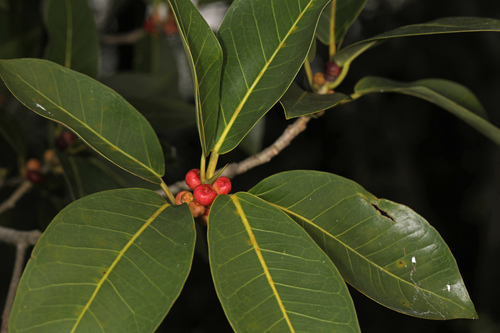
Competitor (c) Judy Gallagher, some rights reserved (CC BY-SA), uploaded by Judy Gallagher · cc-by-sa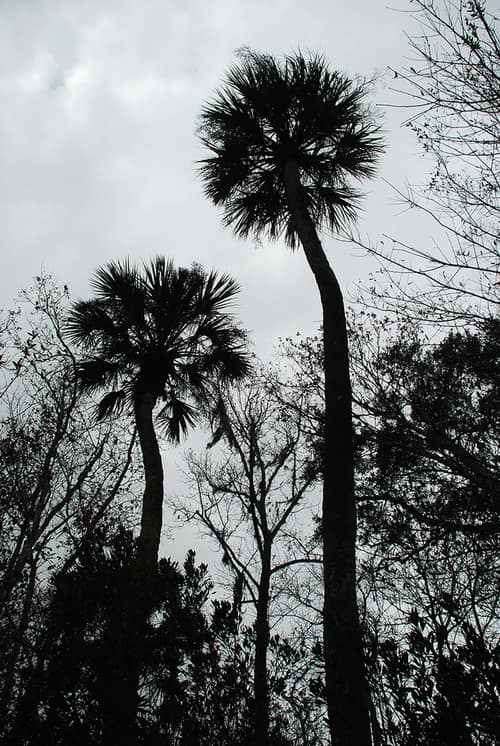
Frequent Companion (c) Douglas Goldman, some rights reserved (CC BY-SA), uploaded by Douglas Goldman · cc-by-sa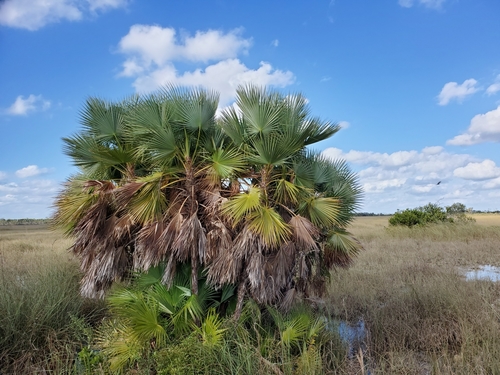
Frequent Companion (c) Tom Field, some rights reserved (CC BY), uploaded by Tom Field · cc-by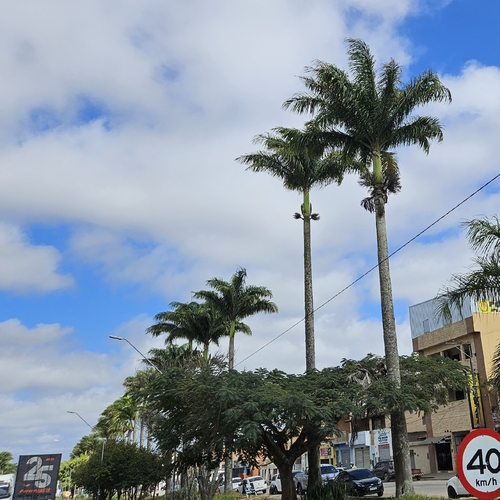
Close Relative (c) Celso Henrique Varela Rios, some rights reserved (CC BY) · cc-by
Help improve the field guideSomething wrong?
Checking your Fauna account…Report a name, category, or profile issue for review.