
Plant
Longbristle Beaksedge
Rhynchospora megaplumosaAlso known as Manatee Beaksedge
Longbristle beaksedge forms dense, grassy tufts crowned with clusters of deep brown spikelets featuring remarkably long, feathery bristles designed to catch the wind. Confined to a handful of central Florida counties, it depends on natural periodic ground fires to clear competing brush and maintain the open, sun-drenched sandy patches it requires. Urban expansion and fire exclusion across Florida scrub and flatwoods have pushed wild populations into a tiny, fragmented range.
Florida EndemicSedgeFire-Adapted
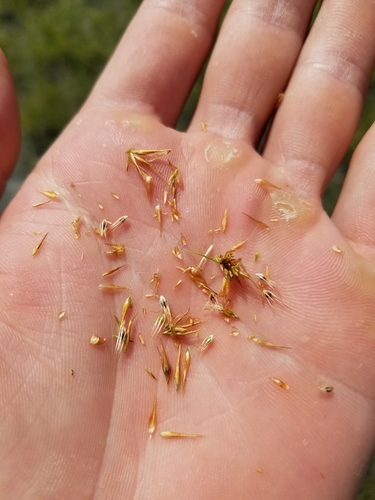
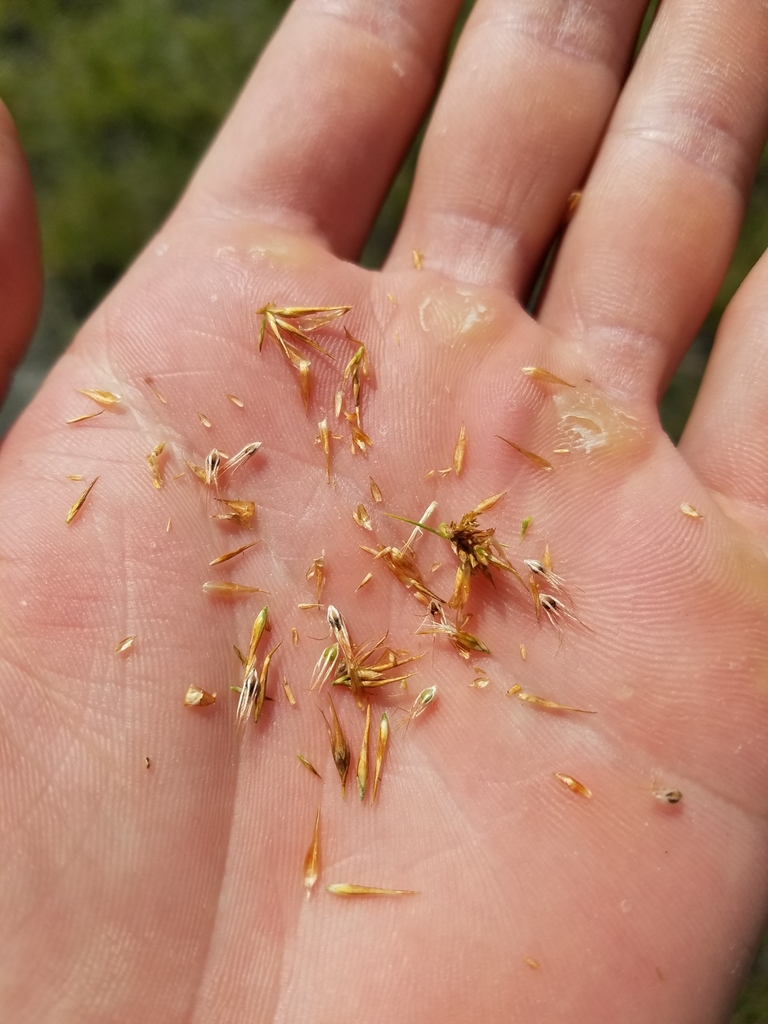
—observations
—countries
—peak records
Not EvaluatedConservation statusIUCN Red List categoriesLCNTVUENCREWEXNot Evaluated — not placed on the risk ladderRed List categories, explained →
Diet & preyAutotrophic (photosynthetic)
Predators
- White-tailed Deer
- Herbivorous grasshoppers
ThreatsResidential development, habitat fragmentation, fire suppression
HabitatsPine flatwoods, Florida scrub, sandy open savannas
Life spanPerennial
Classification
- FamilyCyperaceae
- SpeciesRhynchospora megaplumosa
Range data is not available yet.
Interaction riskLow
- Low
- Moderate
- High
- Very high
- Why interaction risk is low
- Safe to observe at a normal distance.
- What to notice
- Look for tufted, grassy clumps topped with dark chestnut spikelets bearing unusually elongated, plume-like bristles.
- Support conservation
- Stay on trails, never collect specimens or seeds, and avoid stepping on dry, open sand patches where seedlings emerge.
Responsible observation
- Photography: Kneel low to capture the delicate, plumose bristles backlit by early morning sun against dark sand.
- Habitat etiquette: Stick to established sandy trails to protect fragile shallow roots and dry-soil crusts.
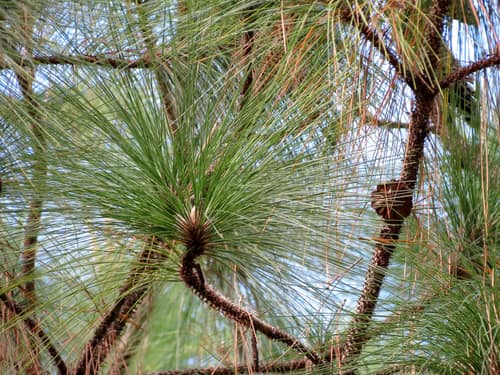
Frequent Companion (c) Katja Schulz, some rights reserved (CC BY) · cc-by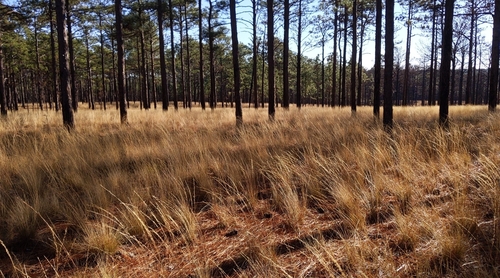
Neighbor no rights reserved · cc0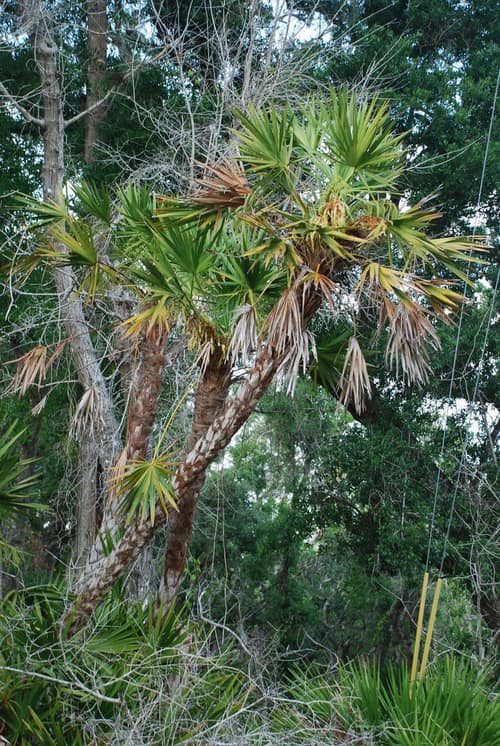
Competitor (c) Douglas Goldman, some rights reserved (CC BY-SA), uploaded by Douglas Goldman · cc-by-sa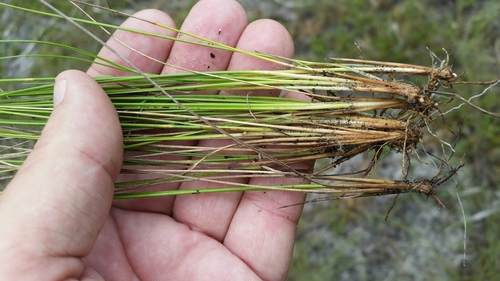
Close Relative (c) Jay Horn, some rights reserved (CC BY), uploaded by Jay Horn · cc-by
Help improve the field guideSomething wrong?
Checking your Fauna account…Report a name, category, or profile issue for review.