
Plant · GBIF taxon 2716311
Papyrus Sedge
Cyperus papyrusAlso known as Papyrus, Paper Reed, Indian Matting Plant, Nile Grass
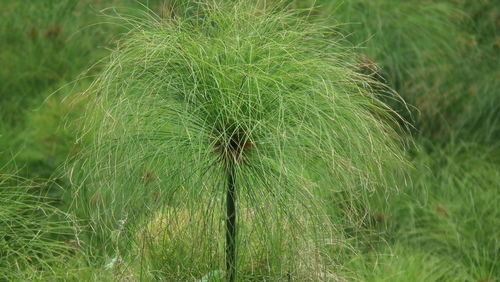
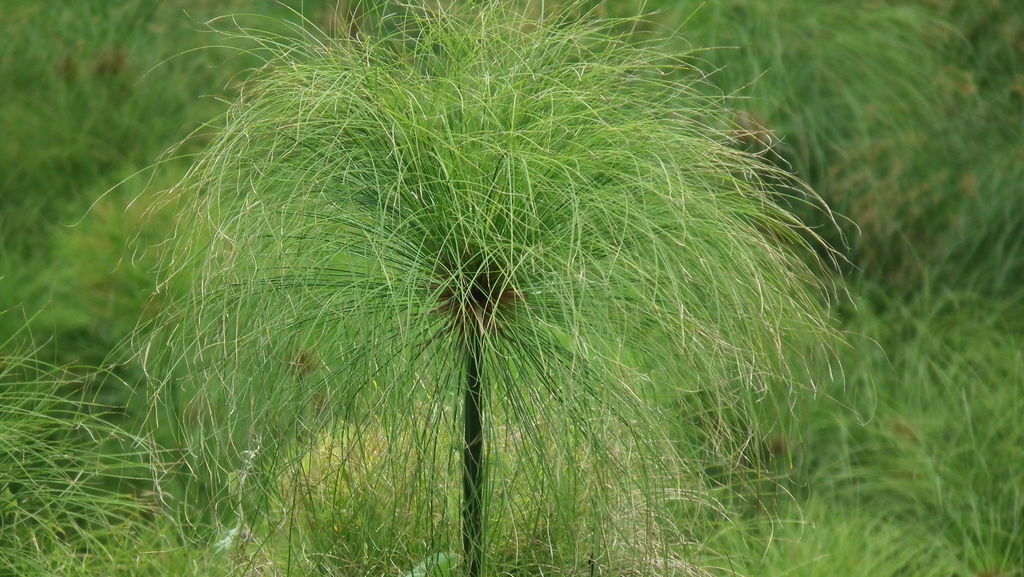
Papyrus sedge forms massive, dense thickets along tropical African riverbanks and lake margins, towering up to five meters tall on thick, leafless triangular stems. Atop each stem sits a striking, feathery umbel of hundreds of thin green rays that bloom with tiny brownish flower clusters. Historically famous as the raw material for ancient Egyptian paper, this robust sedge serves as a vital natural filter for tropical freshwater ecosystems and provides nesting habitat for iconic marsh birds.
WetlandPerennialHistoric Plant
 1 / 7
1 / 7—observations
—countries
—peak records
Least ConcernConservation statusIUCN Red List categoriesLCNTVUENCREWEXLeast ConcernRed List categories, explained →
Diet & prey
- Autotrophic (Photosynthetic)
Predators
- Hippopotamuses
- Livestock
- Herbivorous Insects
ThreatsWetland drainage, agricultural conversion, invasive species competition
HabitatsFreshwater marshes, swamp margins, shallow riverbanks, lake shores
Life spanPerennial (clones persist for decades)
Classification
- OrderPoales
- FamilyCyperaceae
- GenusCyperus
- SpeciesCyperus papyrus
Range data is not available yet.
Interaction riskLow
- Low
- Moderate
- High
- Very high
- Why interaction risk is low
- Safe to observe at a normal distance.
Responsible observation
- Observation: Look for the characteristic triangular stems and feathery broom-like umbrella heads.
- Habitat Care: Avoid trampling marsh edges where sensitive wetland soils erode easily.
- Cultivation: Keep pots submerged in shallow water in warm climates to mimic its riverbank home.
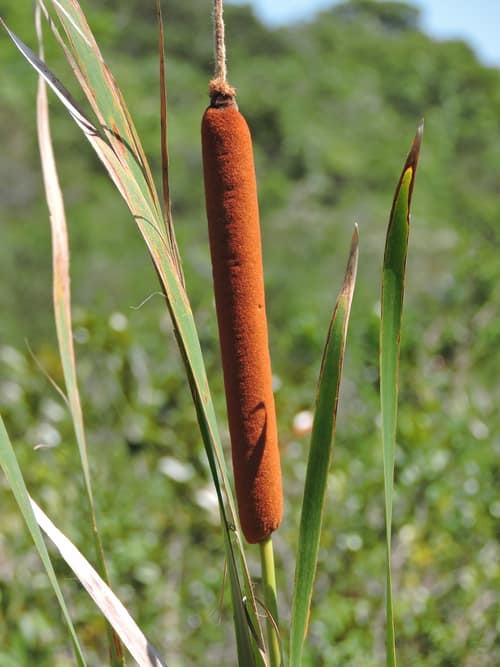
Habitat Companion (c) Fabrício Mil Homens Riella, some rights reserved (CC BY), uploaded by Fabrício Mil Homens Riella · cc-by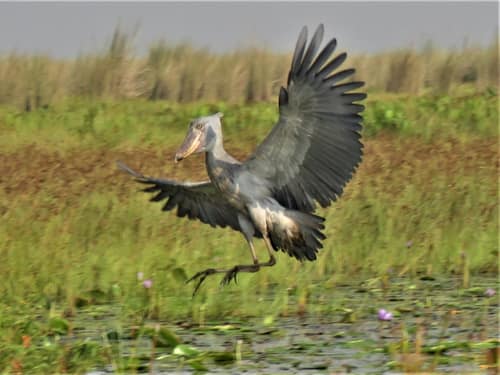
Nesting Resident (c) Annika Lindqvist, some rights reserved (CC BY), uploaded by Annika Lindqvist · cc-by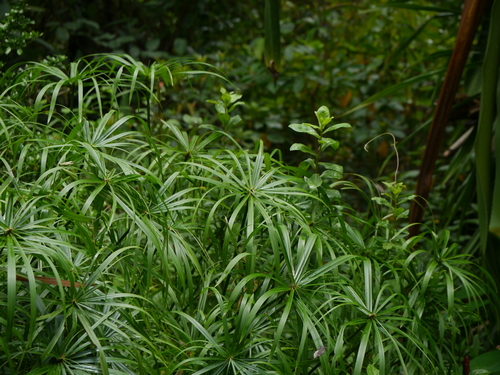
Close Relative (c) Dinesh Valke, some rights reserved (CC BY-SA) · cc-by-sa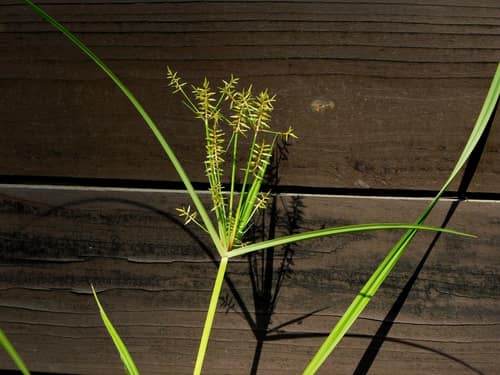
Close Relative (c) Michael J. Papay, some rights reserved (CC BY), uploaded by Michael J. Papay · cc-by
Help improve the field guideSomething wrong?
Checking your Fauna account…Report a name, category, or profile issue for review.