
Plant
Andropogon glomeratus
Andropogon glomeratusAlso known as Bushy Beardgrass, Bushy Broom Sedge
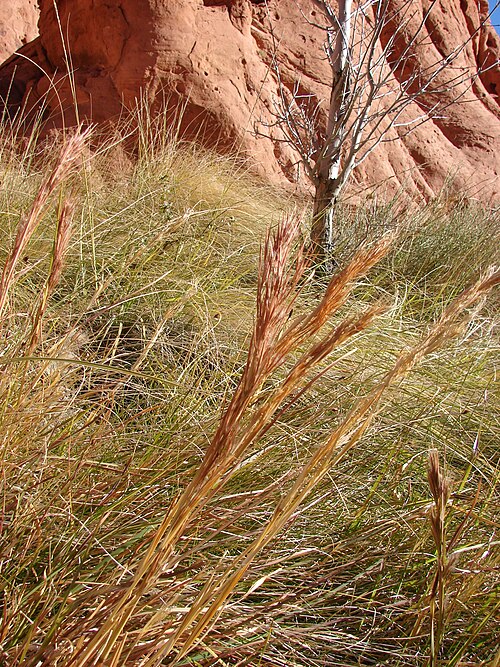
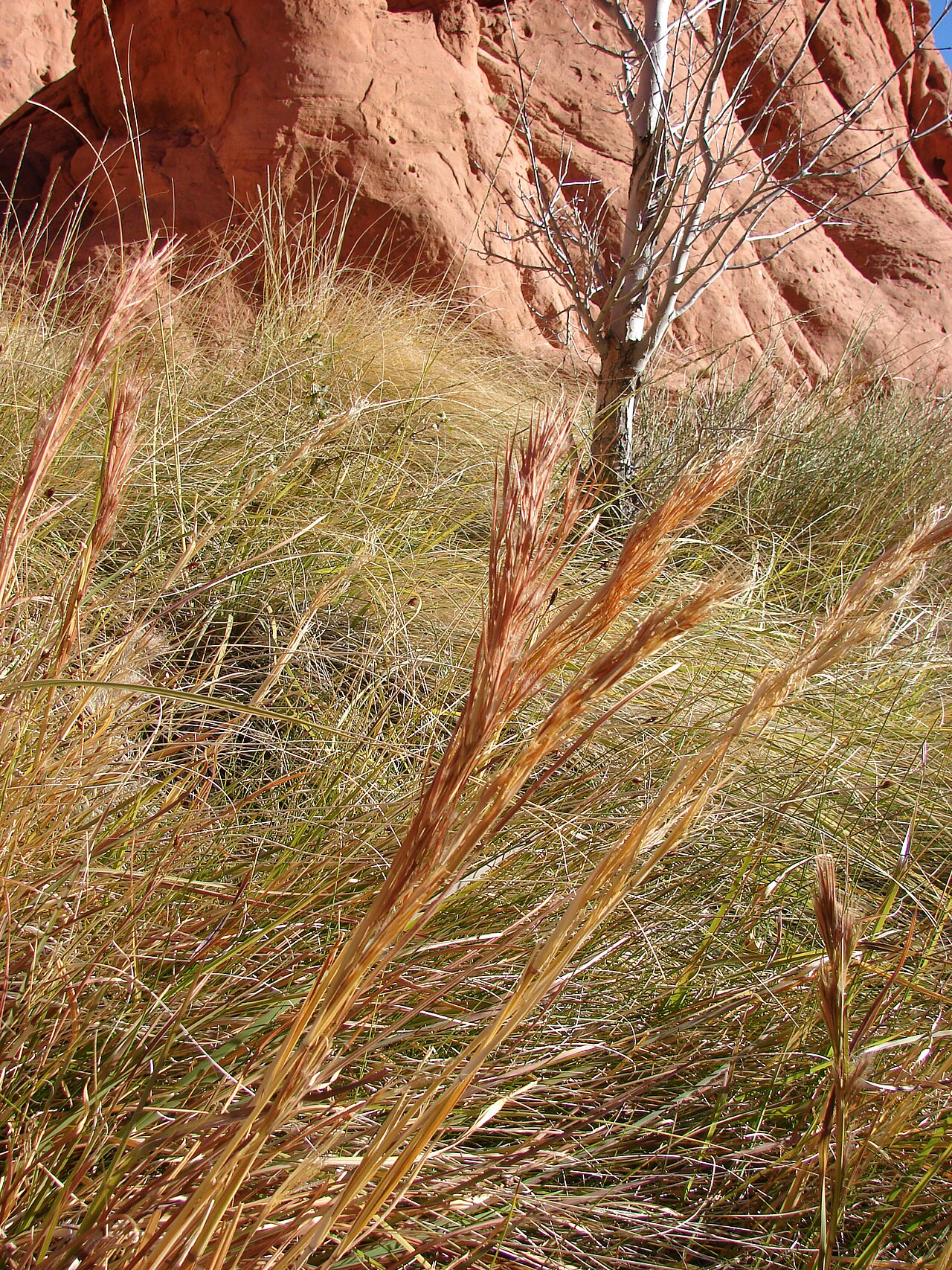
Bushy bluestem forms dense, upright clumps topped by crowded, broom-like clusters of feathery seed heads in late summer and autumn. The blue-green summer foliage transforms into glowing coppery-bronze and reddish hues as temperatures drop, remaining standing throughout the winter. Thriving in soggy ditches, bogs, and coastal swales, it stabilizes wet soils while offering vital cover and winter seed for small birds.
WetlandPerennialNative Grass
—observations
—countries
—peak records
Not EvaluatedConservation statusIUCN Red List categoriesLCNTVUENCREWEXNot Evaluated — not placed on the risk ladderRed List categories, explained →
Diet & preyAutotrophic (photosynthetic)
Predators
- White-Tailed Deer
- Swamp Sparrow
- Domestic Cattle
ThreatsWetland drainage, invasive woody encroachment, and altered hydrology
HabitatsWet prairies, marshes, ditches, bogs, and moist savannas
Life span5–10 years
Classification
- OrderPoales
- FamilyPoaceae
- GenusAndropogon
- SpeciesAndropogon glomeratus
Range data is not available yet.
Interaction riskLow
- Low
- Moderate
- High
- Very high
- Why interaction risk is low
- Safe to observe at a normal distance.
Responsible observation
- Winter viewing: Look for rich copper and russet clumps standing above dormant wetland vegetation.
- Identification detail: Check for dense, bushy clusters of paired spikes nestled within leafy spathes at the stem tips.
- Gardening note: Plant in low, moisture-retentive garden areas where full sun is abundant.
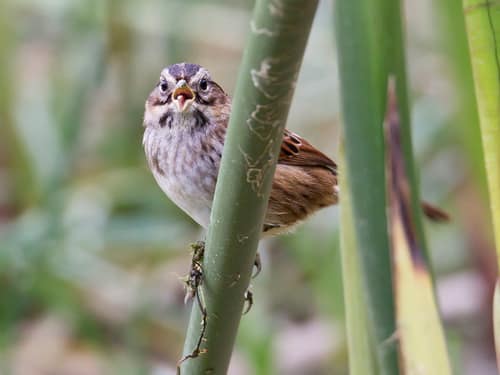
Seed Predator (c) Bill Bouton, some rights reserved (CC BY-SA) · cc-by-sa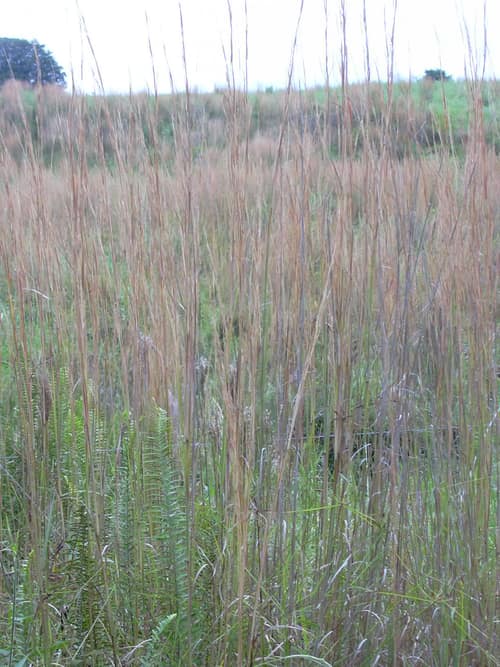
Close Relative Forest & Kim Starr / CC BY 3.0 · cc-by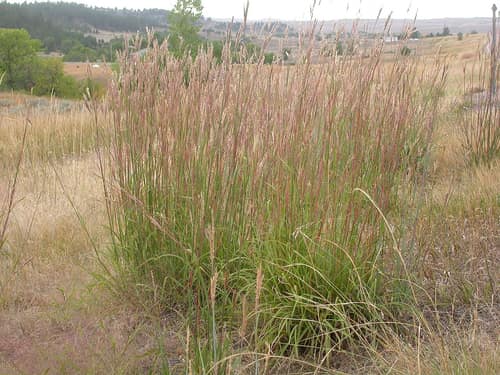
Close Relative Matt Lavin from Bozeman, Montana, USA / CC BY-SA 2.0 · cc-by-sa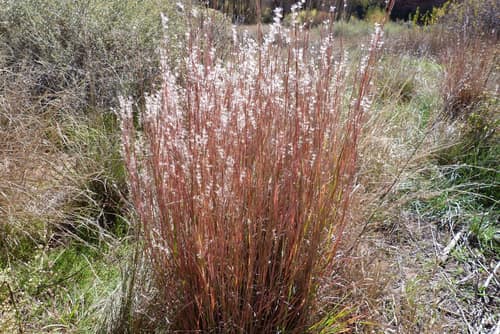
Same Family (c) Colin Meurk, some rights reserved (CC BY-SA), uploaded by Colin Meurk · cc-by-sa
Keep collecting in Fauna
Found in Collections
Ecosystem chain Pro
Prairie Plains
Andropogon glomeratus is found in this collection. Identify it in Fauna to fill this slot and continue your progress.
Unlock to track progress
Help improve the field guideSomething wrong?
Checking your Fauna account…Report a name, category, or profile issue for review.