
Plant
Big Bluestem
Andropogon gerardiAlso known as Turkeyfoot, Tall Bluestem, Bluejoint
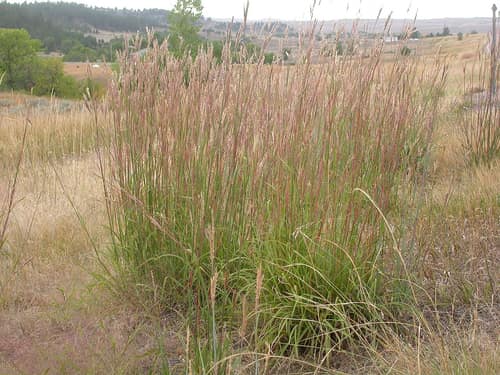
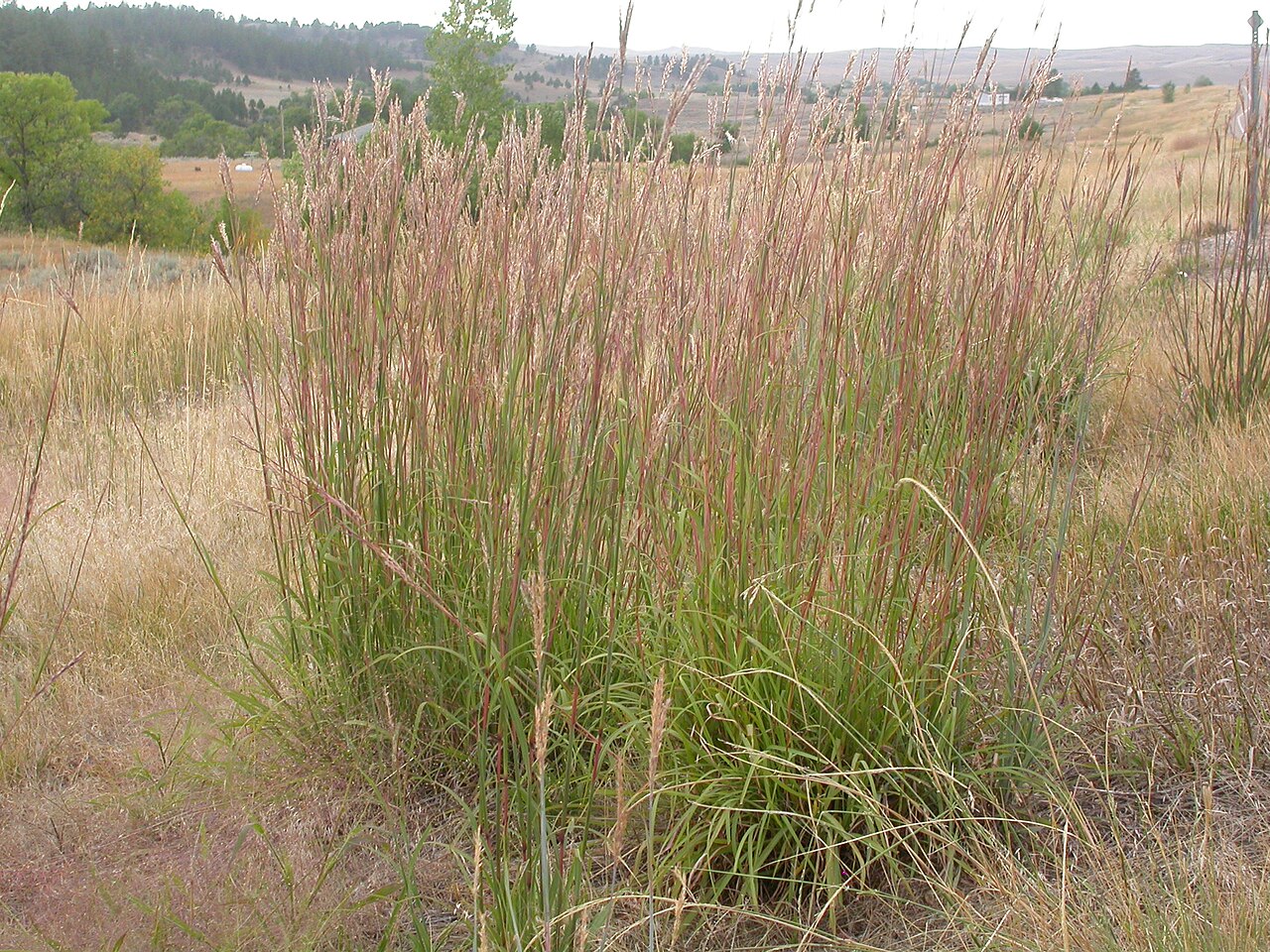
Big bluestem reigns as the undisputed monarch of the tallgrass prairie, anchoring native grasslands with an extensive root network that penetrates up to three meters deep into the earth. Foliage emerges with a distinctive bluish-green cast in late spring before transforming into rich shades of copper, amber, and deep maroon after the first autumn frost. Its terminal seedheads split cleanly into three radiating spikes, creating a silhouette so characteristic that early prairie settlers termed it turkeyfoot.
PrairiePerennialTallgrass
—observations
—countries
—peak records
Least ConcernConservation statusIUCN Red List categoriesLCNTVUENCREWEXLeast ConcernRed List categories, explained →
Diet & preyPhotoautotrophic
Predators
- Bison
- White-tailed Deer
- Grasshoppers
ThreatsPrairie habitat conversion to agriculture, overgrazing, and fire suppression
HabitatsTallgrass prairies, savannas, open woodlands, meadows, and roadsides
Life spanPerennial (individual root crowns live decades)
Classification
- FamilyPoaceae
- SpeciesAndropogon gerardi
Range data is not available yet.
Interaction riskLow
- Low
- Moderate
- High
- Very high
- Why interaction risk is low
- Safe to observe at a normal distance.
Responsible observation
- Identifying Seedheads: Look for the three-branched terminal flower clusters resembling a wild turkey's foot.
- Seasonal Timing: Visit tallgrass prairies in late August to October when flowering stems reach their full height.
- Prairie Conservation: Stick to designated boardwalks or trails to avoid trampling delicate prairie sod.
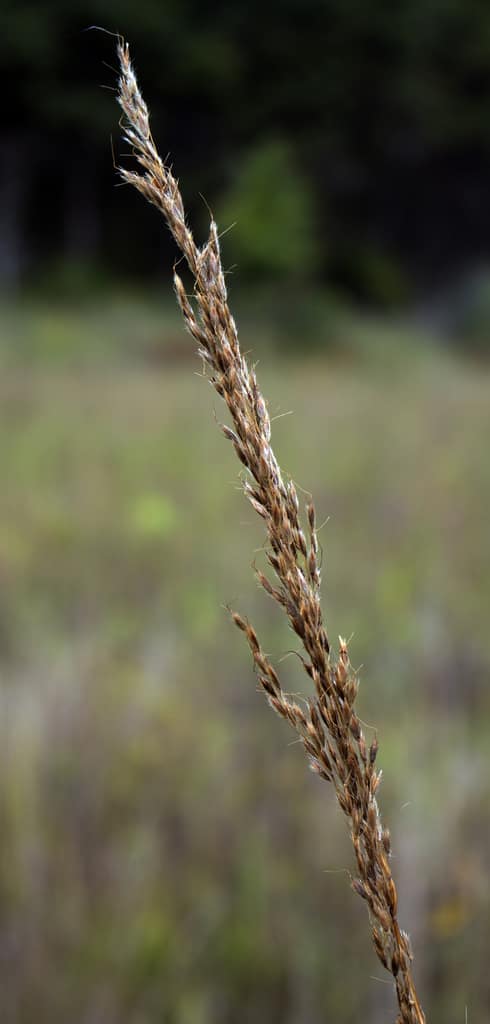
Frequent Companion (c) aarongunnar, some rights reserved (CC BY), uploaded by aarongunnar · cc-by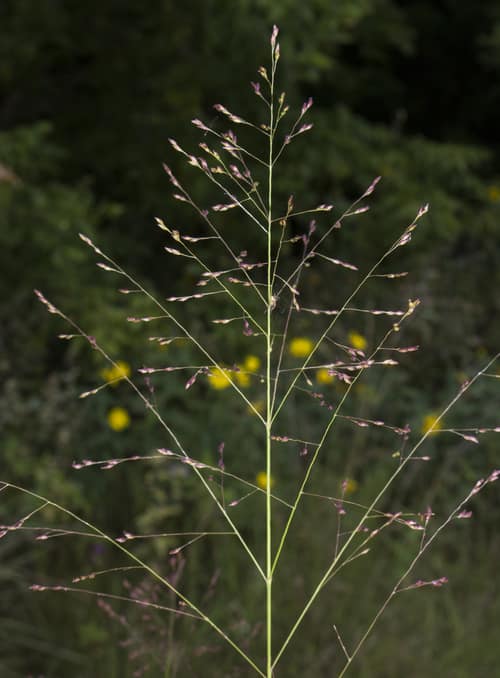
Frequent Companion (c) aarongunnar, some rights reserved (CC BY), uploaded by aarongunnar · cc-by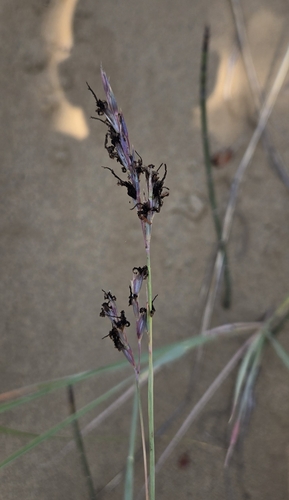
Same Genus (c) Dan Riley, some rights reserved (CC BY) · cc-by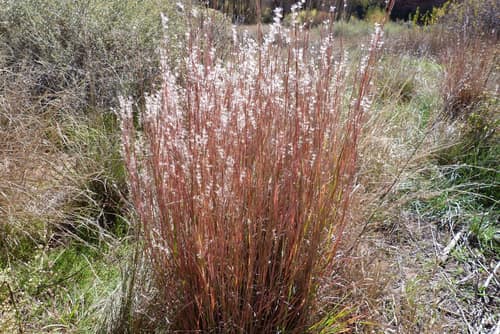
Close Relative (c) Colin Meurk, some rights reserved (CC BY-SA), uploaded by Colin Meurk · cc-by-sa
Help improve the field guideSomething wrong?
Checking your Fauna account…Report a name, category, or profile issue for review.