
Plant · GBIF taxon 2705081
Switchgrass
Panicum virgatumAlso known as Panic Grass, Tall Panic Grass, Blackbent, Wobsqua Grass
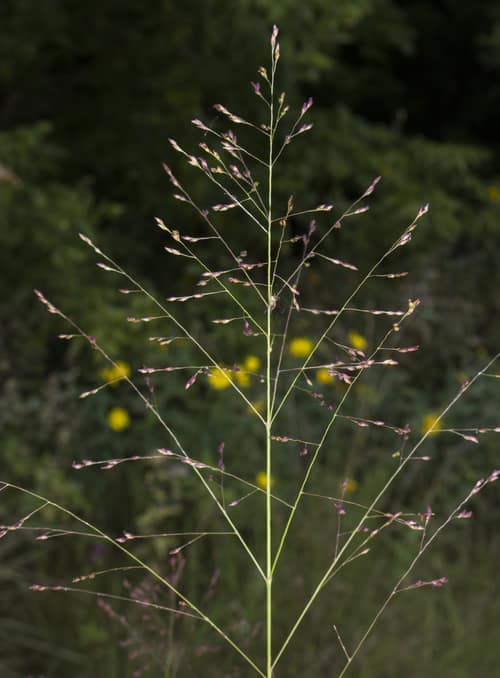
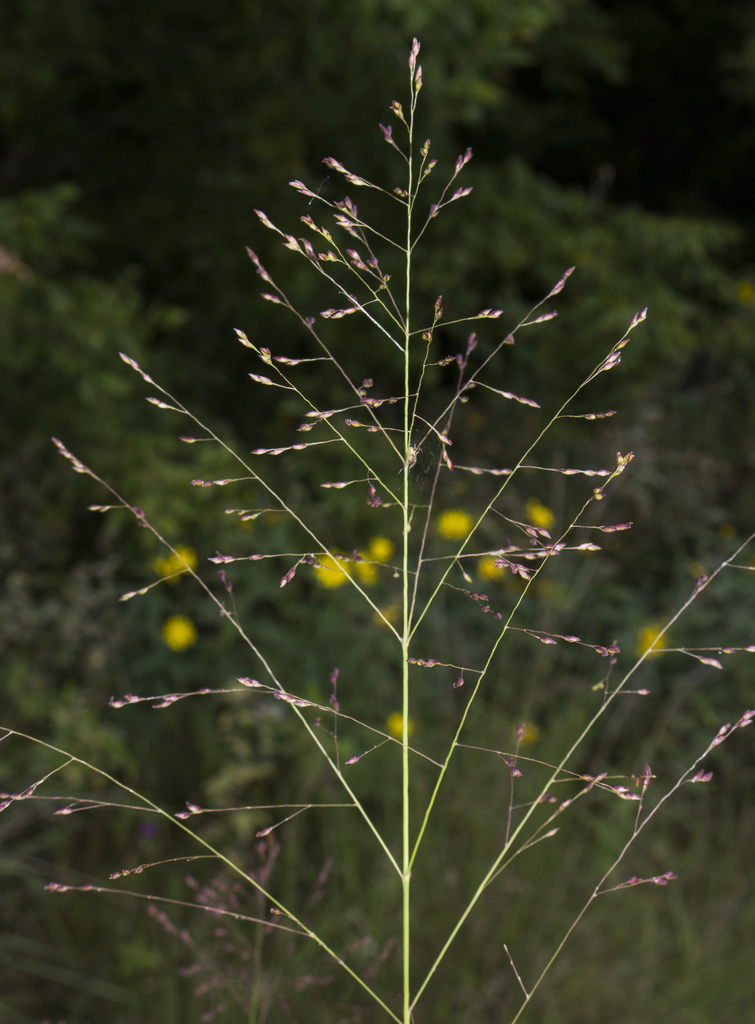
Switchgrass anchors the North American tallgrass prairie with an expansive network of fibrous roots that can plunge more than three meters deep into rich prairie soils. Its upright culms burst into airy, cloud-like panicles of purplish florets each summer, swaying vigorously in grassland breezes. In autumn, the foliage transitions to radiant golden-orange hues that persist through winter, providing crucial structural cover and seed for ground-foraging wildlife.
GrasslandPerennialWarm-Season
 1 / 7
1 / 7—observations
—countries
—peak records
Least ConcernConservation statusIUCN Red List categoriesLCNTVUENCREWEXLeast ConcernRed List categories, explained →
Diet & prey
- Photosynthetic (autotroph)
Predators
- American Bison
- Elk
- Grasshopper
ThreatsAgricultural conversion, excessive herbicide use, and woody encroachment
HabitatsTallgrass prairies, savannas, open woodlands, stream banks, and roadsides
Life span10–20+ years
Size / weightNot available
Classification
- OrderPoales
- FamilyPoaceae
- GenusPanicum
- SpeciesPanicum virgatum
Range data is not available yet.
Interaction riskLow
- Low
- Moderate
- High
- Very high
- Why interaction risk is low
- Safe to observe at a normal distance.
Responsible observation
- Viewing Time: Look for distinctive airy panicles in late summer and vibrant copper foliage in late autumn.
- Identification Cue: Check the junction of the leaf blade and sheath for a dense, triangular patch of hair.
- Garden Use: Plant in full sun and well-drained soil as a low-maintenance, drought-tolerant native ornamental.
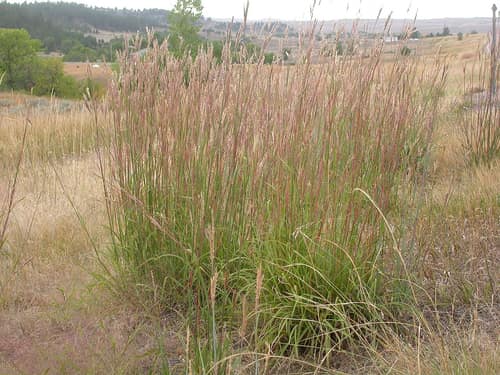
Prairie Companion Matt Lavin from Bozeman, Montana, USA / CC BY-SA 2.0 · cc-by-sa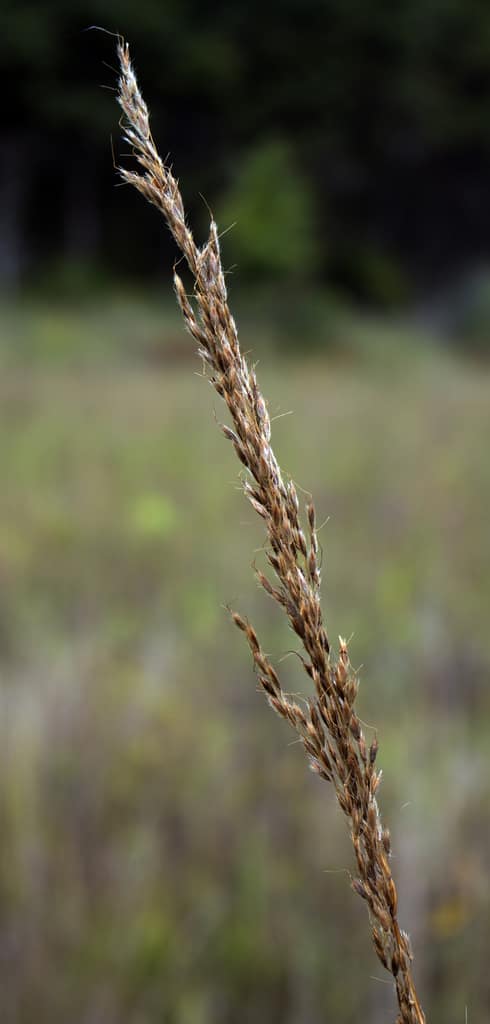
Prairie Companion (c) aarongunnar, some rights reserved (CC BY), uploaded by aarongunnar · cc-by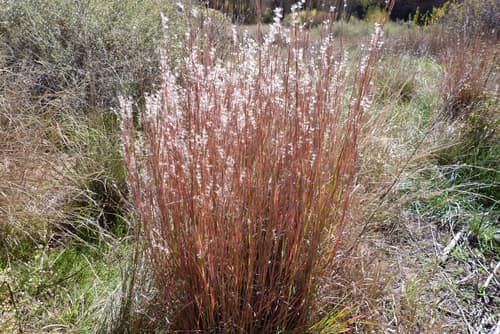
Prairie Companion (c) Colin Meurk, some rights reserved (CC BY-SA), uploaded by Colin Meurk · cc-by-sa Image unavailable
Same Genus
Help improve the field guideSomething wrong?
Checking your Fauna account…Report a name, category, or profile issue for review.