
Plant · GBIF taxon 2704766
Prairie Dropseed
Sporobolus heterolepisAlso known as Northern Dropseed
Prairie dropseed forms dense, fountain-like mounds of emerald-green, thread-like leaves that cascade toward the ground before turning brilliant copper and gold in autumn. During late summer, airy flower panicles hover above the foliage, releasing a distinctive aroma often compared to buttered popcorn, coriander, or roasted nuts. These deep-rooted perennial tussocks are keystone anchors of remnant tallgrass prairies, storing vast reserves of carbon and providing crucial shelter for overwintering insects and ground-nesting birds.
Native GrassPerennialDrought-Tolerant
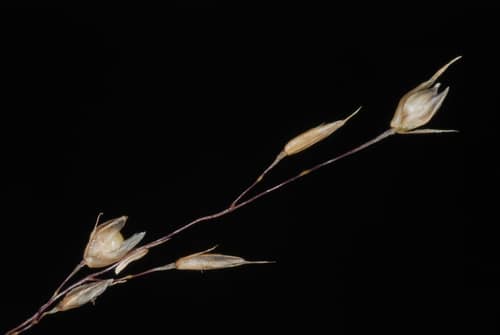
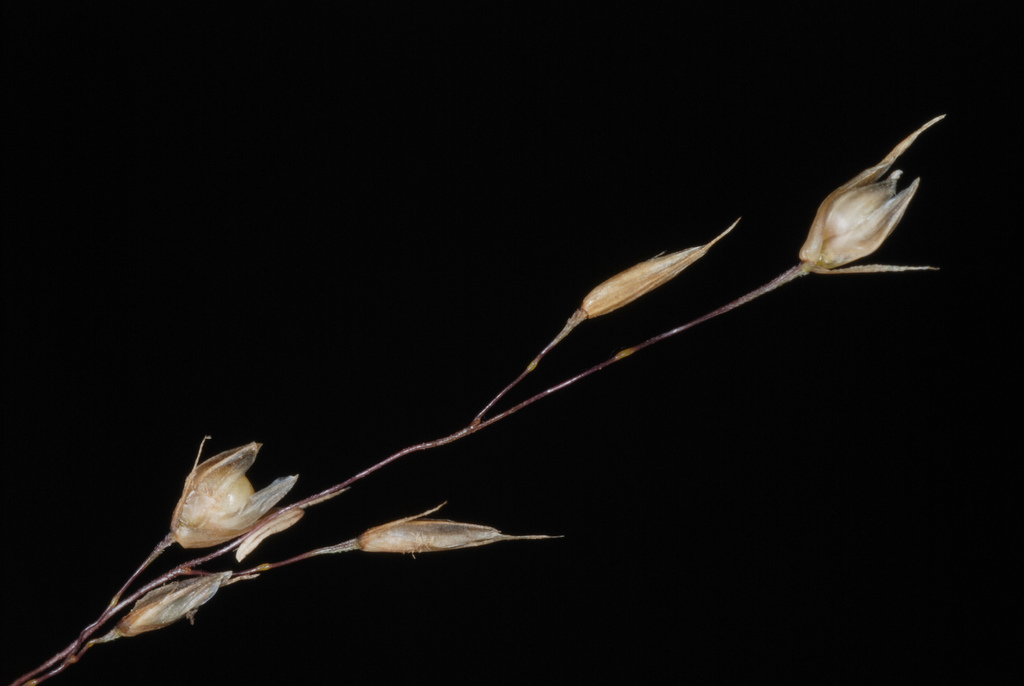
—observations
—countries
—peak records
Least ConcernConservation statusIUCN Red List categoriesLCNTVUENCREWEXLeast ConcernRed List categories, explained →
Diet & prey
- Autotrophic (photosynthetic)
Predators
- American Bison
- Grasshoppers
- Field Mice
ThreatsPrairie conversion to agriculture, invasive cool-season grasses, fire suppression
HabitatsTallgrass prairies, mixed-grass prairies, alvars, limestone glades, open rocky bluffs
Life span20–50+ years
Size / weightNot available
Classification
- OrderPoales
- FamilyPoaceae
- GenusSporobolus
- SpeciesSporobolus heterolepis
Range data is not available yet.
Interaction riskLow
- Low
- Moderate
- High
- Very high
- Why interaction risk is low
- Safe to observe at a normal distance.
Responsible observation
- Fragrance Check: Gently brush the airy seed heads in late summer to detect their warm popcorn aroma.
- Seasonal Identification: Look for dense, fountain-shaped mounds that shift from bright green to coppery orange in autumn.
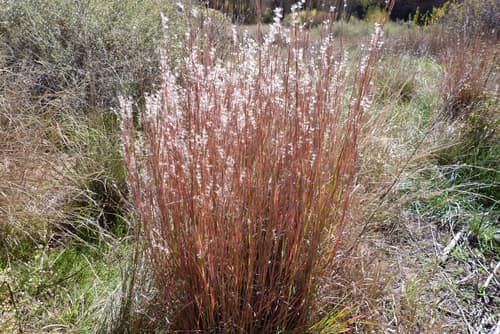
Frequent Companion (c) Colin Meurk, some rights reserved (CC BY-SA), uploaded by Colin Meurk · cc-by-sa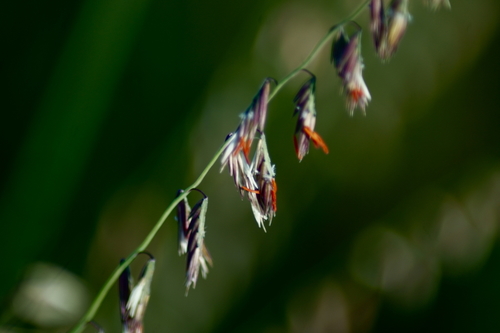
Frequent Companion (c) psweet, some rights reserved (CC BY-SA), uploaded by psweet · cc-by-sa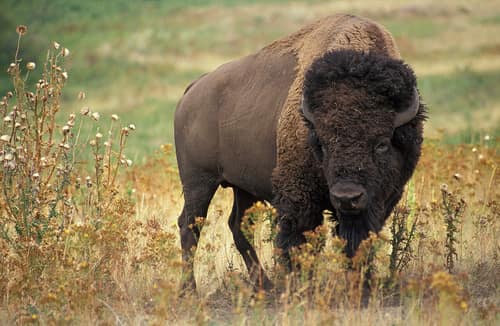
Herbivore Jack Dykinga / Public domain · cc0 Image unavailable
Close Relative
Help improve the field guideSomething wrong?
Checking your Fauna account…Report a name, category, or profile issue for review.