
Plant
Wild Cane
Saccharum spontaneumAlso known as Kans Grass, Wild Sugarcane, Kash Grass
Wild cane is a vigorous pioneer grass that rapidly colonizes disturbed sandbars, riverbanks, and floodplains across the Old World tropics. Its extensive underground rhizomes bind loose sediments during seasonal monsoon floods, transforming bare gravel into productive early-successional marshes. In South Asia, dense stands of this grass form vital feeding grounds and cover for large herbivores, while plant breeders value its hardy genetics to cross with domestic sugarcane for disease resistance and cold tolerance.
PerennialRiparianPioneer
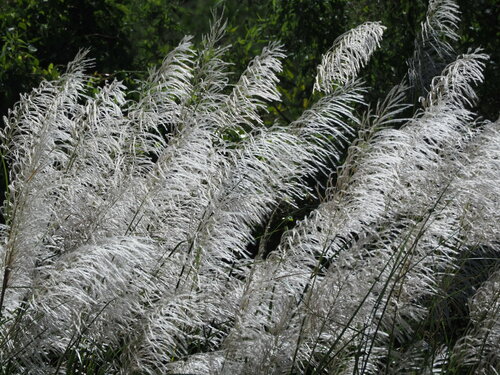
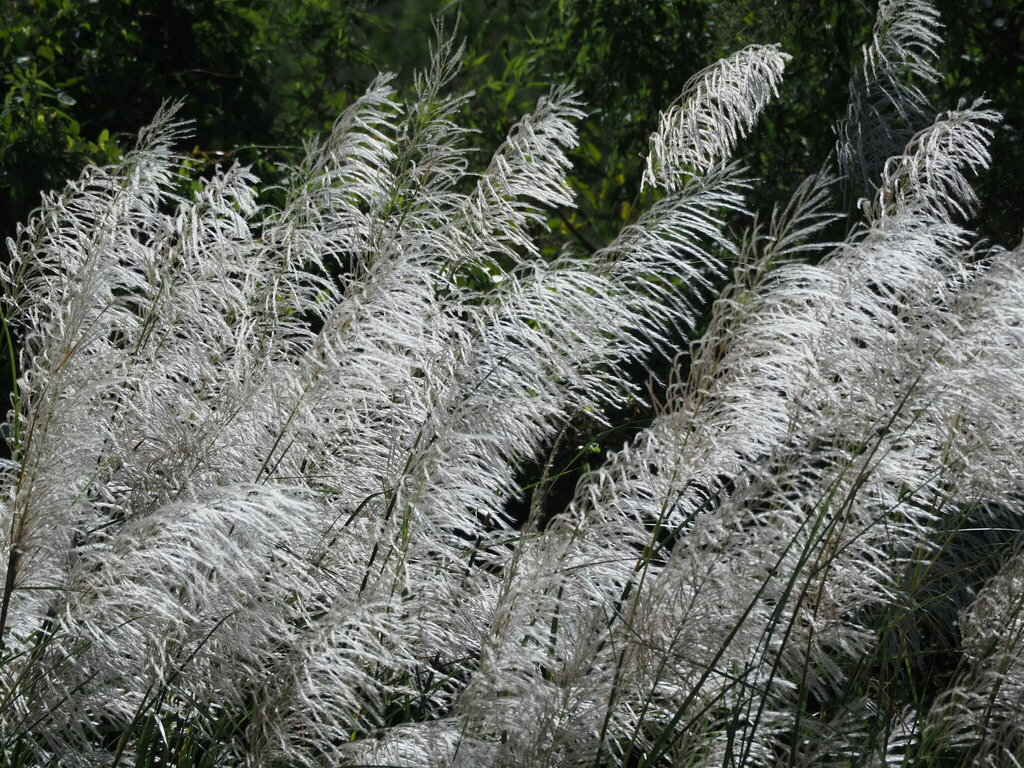
—observations
—countries
—peak records
Least ConcernConservation statusIUCN Red List categoriesLCNTVUENCREWEXLeast ConcernRed List categories, explained →
Diet & preyAutotrophic (photosynthetic)
Predators
- Indian Rhinoceros
- Asian Elephant
- Water Buffalo
ThreatsAgricultural herbicide use, intensive drainage, and river channelization
HabitatsRiverbanks, floodplains, marsh edges, sandy alluvium, and disturbed roadsides
Life spanPerennial (rhizome networks persist for decades)
Classification
- FamilyPoaceae
- SpeciesSaccharum spontaneum
Range data is not available yet.
Interaction riskLow
- Low
- Moderate
- High
- Very high
- Why interaction risk is low
- Safe to observe at a normal distance.
Responsible observation
- Footwear Caution: Wear long pants and sturdy shoes when walking nearby, as leaf margins have fine serrations.
- Seasonal Timing: Look for its striking, silky white plumes during late summer and autumn flowering.
- Habitat Clue: Scan low river bars and gravelly flood plains where seasonal waters recede.
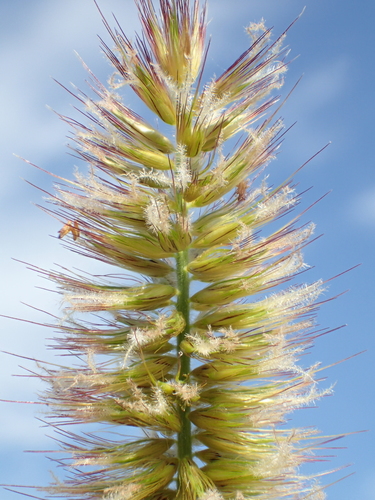
Ecological Competitor no rights reserved, uploaded by 葉子 · cc0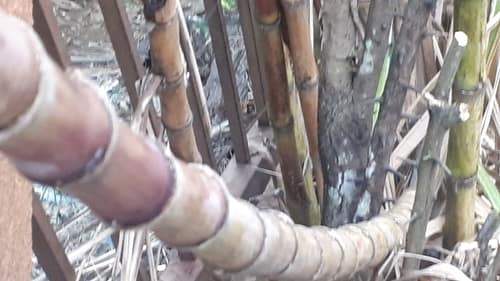
Close Relative (c) Ong Jyh Seng, some rights reserved (CC BY-SA), uploaded by Ong Jyh Seng · cc-by-sa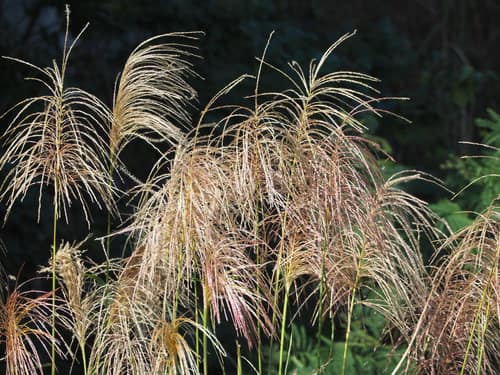
Same Family no rights reserved, uploaded by 葉子 · cc0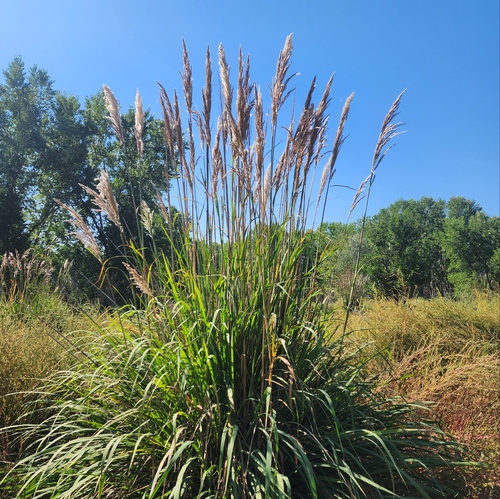
Same Family (c) Lyrae, some rights reserved (CC BY), uploaded by Lyrae · cc-by
Help improve the field guideSomething wrong?
Checking your Fauna account…Report a name, category, or profile issue for review.