
Plant · GBIF taxon 2699095
Scarlet-star
Guzmania lingulataAlso known as Droophead Tufted Airplant, Scarlet Star Bromeliad
Scarlet-star perches high in wet tropical forest canopies, anchoring its shallow roots to tree bark primarily for physical support rather than nutrient uptake. The arching, strap-like leaves overlap tightly at their base to create a central water-holding urn that traps rainfall, fallen debris, and small organisms, sustaining the plant through drier canopy spells. After several years of vegetative growth, the rosette produces a radiant crown of scarlet floral bracts that shelter tiny white-to-yellow blossoms before the parent plant slowly declines and gives rise to basal offshoots.
EpiphyticRainforestTropical
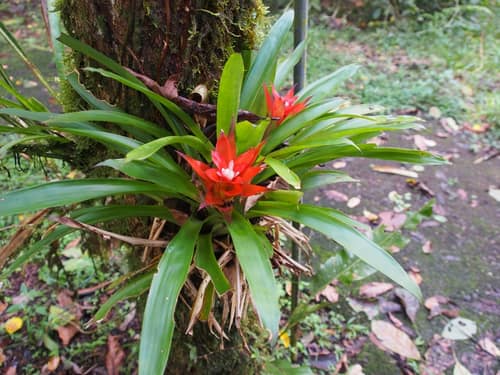
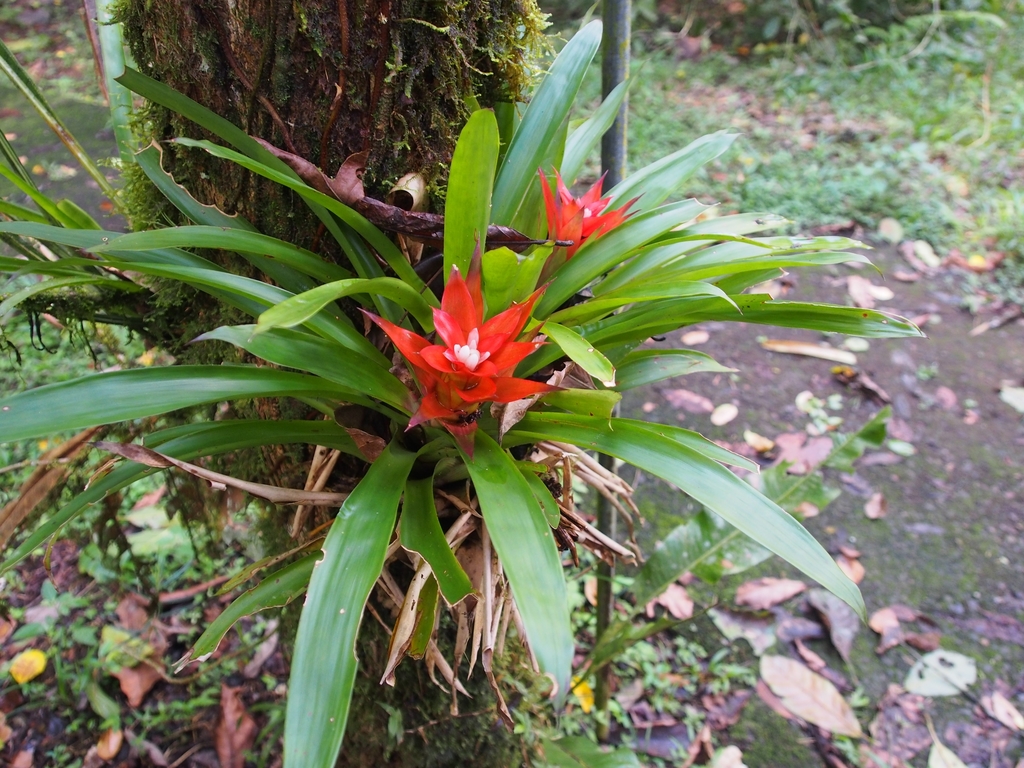
—observations
—countries
—peak records
Not EvaluatedConservation statusIUCN Red List categoriesLCNTVUENCREWEXNot Evaluated — not placed on the risk ladderRed List categories, explained →
Diet & prey
- Photoautotrophic
Predators
- Snails and slugs
- Herbivorous caterpillars
- Mealybugs
ThreatsDeforestation, commercial logging, wild collection for ornamental trade
HabitatsTropical lowland and montane rainforests, cloud forests
Life span3–5 years (individual rosette; colony persists via offsets)
Size / weightNot available
Classification
- OrderPoales
- FamilyBromeliaceae
- GenusGuzmania
- SpeciesGuzmania lingulata
Range data is not available yet.
Interaction riskLow
- Low
- Moderate
- High
- Very high
- Why interaction risk is low
- Safe to observe at a normal distance.
Responsible observation
- Spotting in the canopy: Scan mossy forks and trunks in warm, humid forest understories.
- Examining the leaf cup: Look into the center of wild rosettes to spot micro-fauna living in pooled water.
- Cultivated care: Provide bright filtered light and fill the central cup with fresh, soft water.
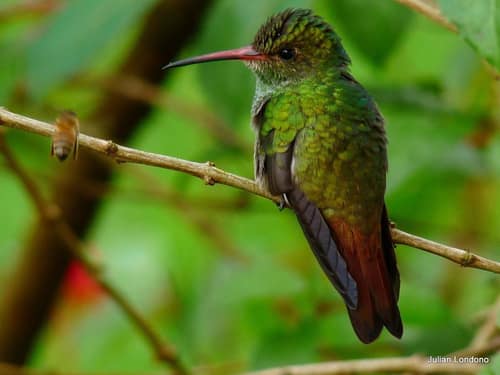
Pollinator (c) ARALCAL by julian londono, some rights reserved (CC BY-SA) · cc-by-sa Image unavailable
Close Relative 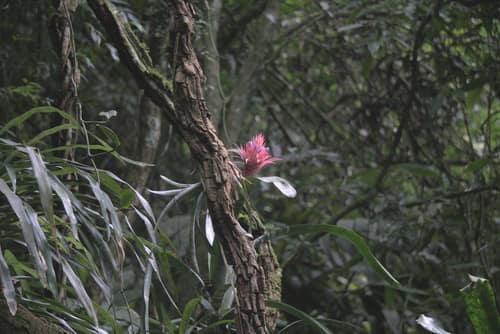
Same Family (c) filipeprates, some rights reserved (CC BY) · cc-by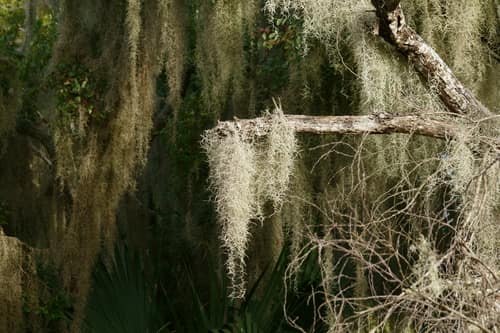
Same Family (c) psweet, some rights reserved (CC BY-SA), uploaded by psweet · cc-by-sa
Help improve the field guideSomething wrong?
Checking your Fauna account…Report a name, category, or profile issue for review.