
Plant · GBIF taxon 2698340
Orangeade Bromeliad
Aechmea blanchetianaAlso known as Blanchet's Aechmea
Orangeade bromeliads anchor coastal restinga habitats across eastern Brazil, unfurling colossal rosettes of stiff, strap-like leaves that shift from light green to fiery orange or golden yellow under full sun. The central vase collects rainwater and organic debris, forming miniature suspended aquatic ecosystems known as phytotelmata that shelter tree frogs, mosquito larvae, and endemic invertebrates. Each mature rosette eventually produces a dramatic branched inflorescence towering on a crimson stem, bearing clusters of red and yellow bracts that persist for months before the mother rosette dies back in favor of basal offshoots.
EpiphyteTropicalColorful
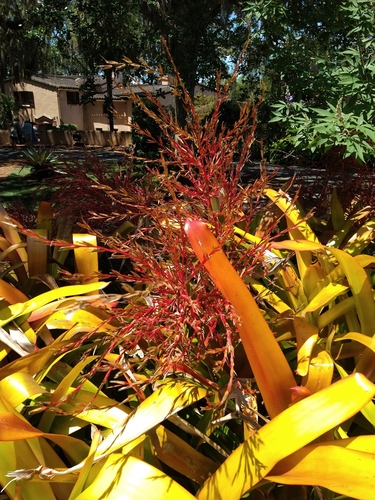
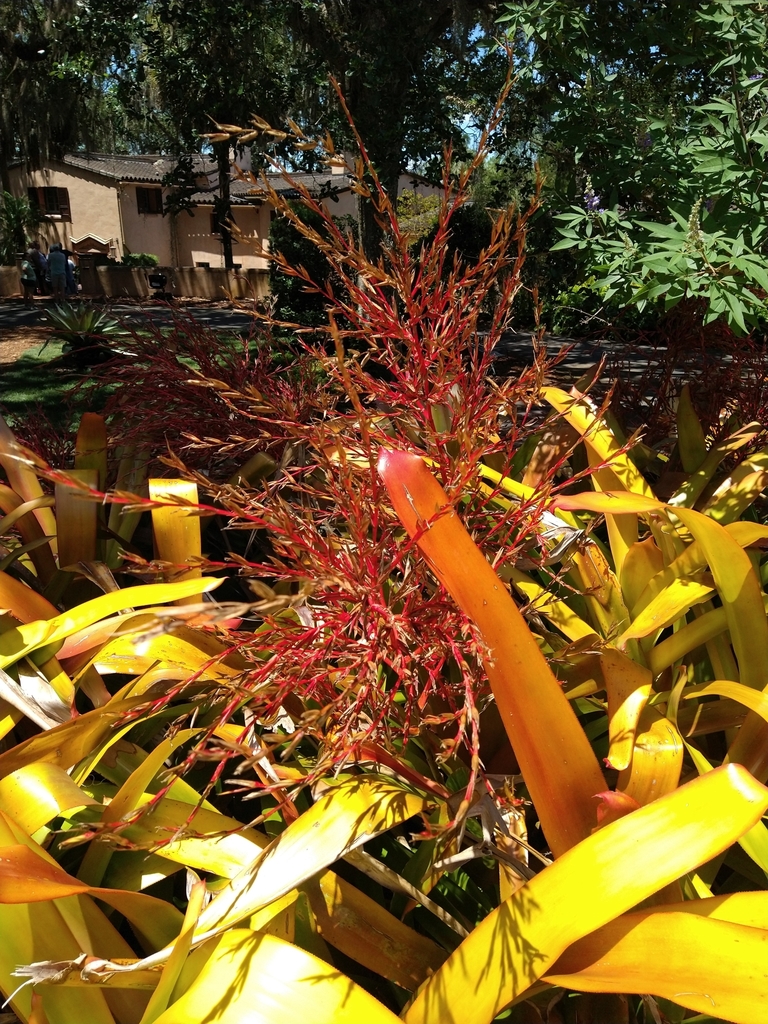
—observations
—countries
—peak records
Not EvaluatedConservation statusIUCN Red List categoriesLCNTVUENCREWEXNot Evaluated — not placed on the risk ladderRed List categories, explained →
Diet & prey
- Sunlight
- Rainwater
- Decomposed organic detritus
Predators
- Bromeliad weevils
- Grasshoppers
- Garden snails
ThreatsCoastal development, habitat fragmentation, and wild collecting
HabitatsCoastal sand dunes, restingas, and open Atlantic Forest clearings
Life span3–5 years per rosette; clone clumps can persist indefinitely
Classification
- OrderPoales
- FamilyBromeliaceae
- GenusAechmea
- SpeciesAechmea blanchetiana
Range data is not available yet.
Interaction riskLow
- Low
- Moderate
- High
- Very high
- Why interaction risk is low
- Leaf margins bear fine spines; safe to observe at a normal distance.
Responsible observation
- Sun exposure: Full sun brings out the most intense golden-orange leaf hues.
- Tank hygiene: Flush the central water cup periodically to prevent stagnant odor in gardens.
- Handling: Wear sturdy gardening gloves to avoid scratches from serrated leaf margins.
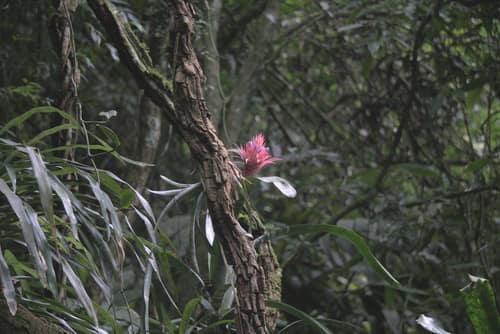
Close Relative (c) filipeprates, some rights reserved (CC BY) · cc-by Image unavailable
Close Relative Same Family 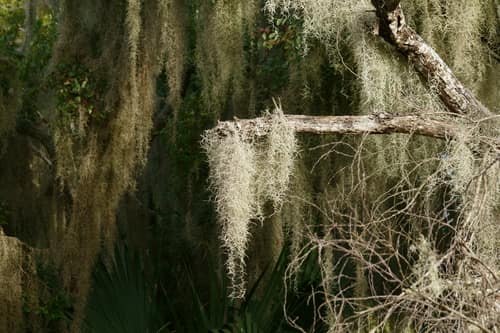
Same Family (c) psweet, some rights reserved (CC BY-SA), uploaded by psweet · cc-by-sa
Help improve the field guideSomething wrong?
Checking your Fauna account…Report a name, category, or profile issue for review.