
Plant · GBIF taxon 2695588
Ballmoss
Tillandsia recurvataAlso known as Small Ballmoss, Ball Moss
Ballmoss forms dense, spherical tufts of silver-grey leaves that perch securely along the branches of mature trees, fences, and utility wires. Because it is an epiphyte rather than a parasite, it relies on specialized leaf scales called trichomes to capture moisture and dissolved nutrients directly from rainfall and airborne dust. During early summer, tiny pale blue to violet flowers emerge on slender stalks, eventually producing feathery seeds that drift on the wind to colonize new perches.
EpiphyteAir PlantFlowering
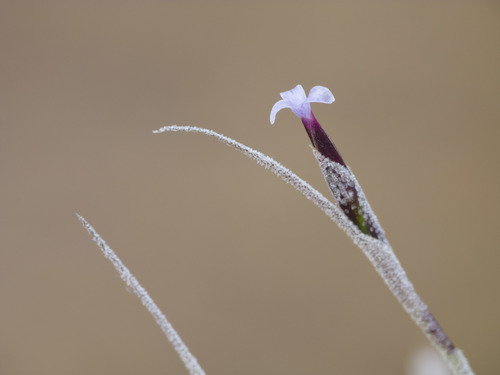
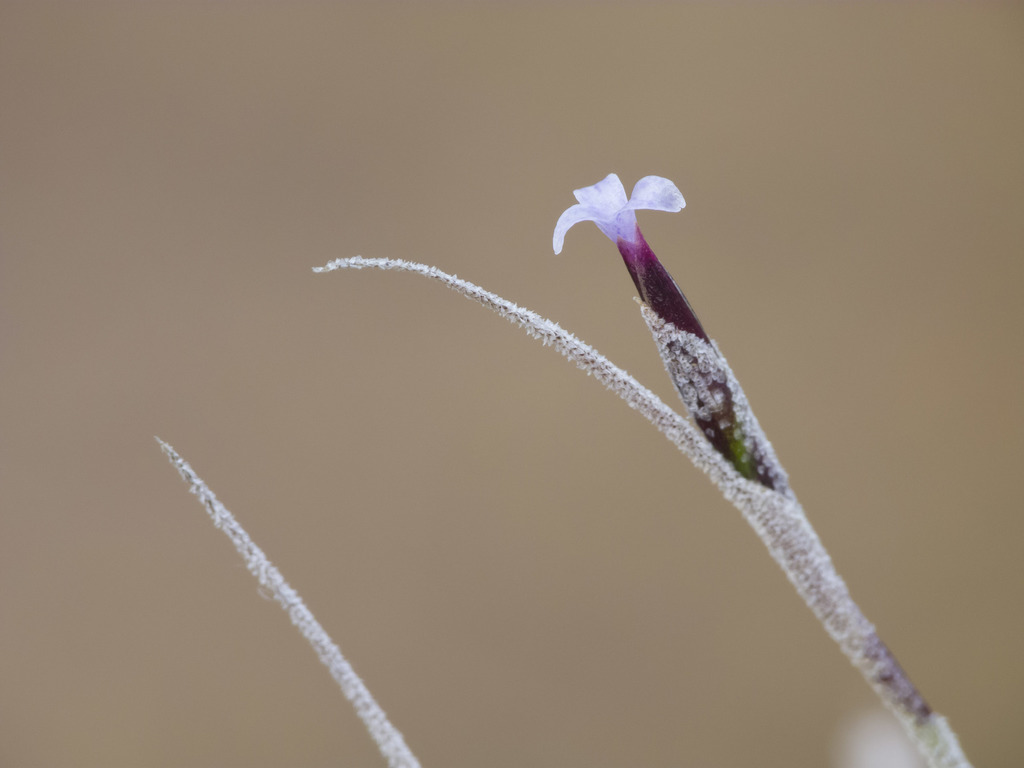
—observations
—countries
—peak records
Least ConcernConservation statusIUCN Red List categoriesLCNTVUENCREWEXLeast ConcernRed List categories, explained →
Diet & prey
- Photoautotrophic; absorbs water and dissolved minerals from air, rain, and dust via leaf trichomes
Predators
- Weevils (Metamasius species)
ThreatsHabitat clearance, severe prolonged freezes, and aggressive pruning or chemical removal by homeowners
HabitatsSubtropical and tropical woodlands, hammocks, scrublands, urban trees, and utility wires
Life spanPerennial; clumps persist for decades through continuous vegetative offshoots
Classification
- OrderPoales
- FamilyBromeliaceae
- GenusTillandsia
- SpeciesTillandsia recurvata
Range data is not available yet.
Interaction riskLow
- Low
- Moderate
- High
- Very high
- Why interaction risk is low
- Safe to observe at a normal distance.
Responsible observation
- Look up into the canopy: Search lower, shaded branches of mature hardwoods for spiky silver spheres.
- Tree care awareness: Recognize that clumps do not feed on host sap, so removal is rarely necessary for tree health.
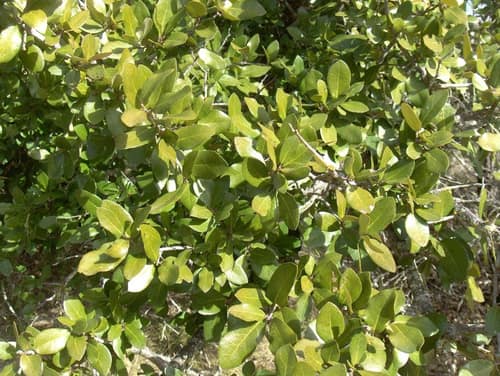
Host Plant Homer Edward Price / CC BY 2.0 · CC BY 2.0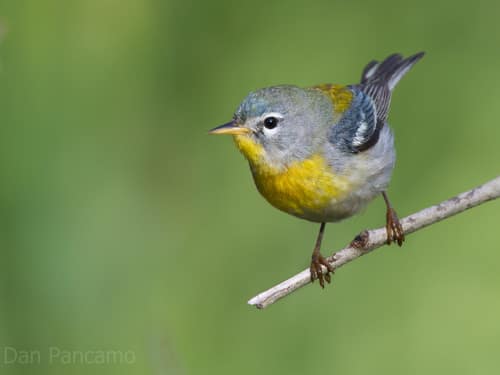
Frequent Companion "Northern Parula" by Dan Pancamo is licensed under CC BY-SA 2.0. To view a copy of this license, visit https://creativecommons.org/licenses/by-sa/2.0/. · cc-by-sa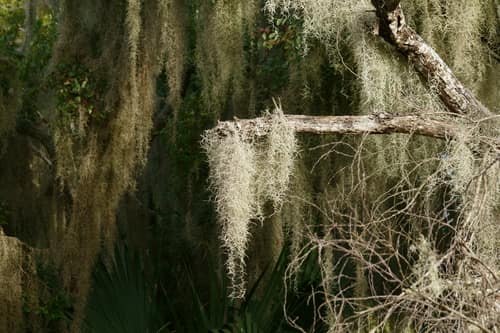
Close Relative (c) psweet, some rights reserved (CC BY-SA), uploaded by psweet · cc-by-sa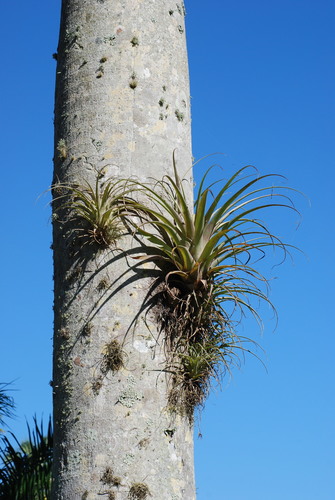
Close Relative (c) Douglas Goldman, some rights reserved (CC BY-SA), uploaded by Douglas Goldman · cc-by-sa
Help improve the field guideSomething wrong?
Checking your Fauna account…Report a name, category, or profile issue for review.