
Plant
Fan Clubmoss
Diphasiastrum digitatumAlso known as Groundcedar, Running Cedar, Crowsfoot, Fan Ground-Pine
Fan clubmoss creeps along the forest floor via extensive subterranean runners, sending up upright branches that spread into flat, cedar-like green fans. Erect peduncles produce clustered spore cones in late summer, discharging clouds of ultra-fine, highly flammable yellow spores when brushed by passing wildlife. Though resilient in mature acidic woods, its slow-growing colonies take years to recover when whole runners are yanked up.
EvergreenSpore-BearingWoodland
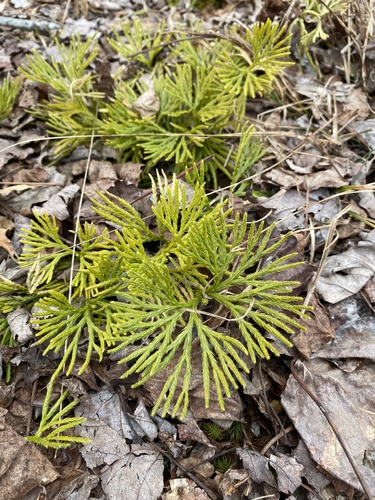
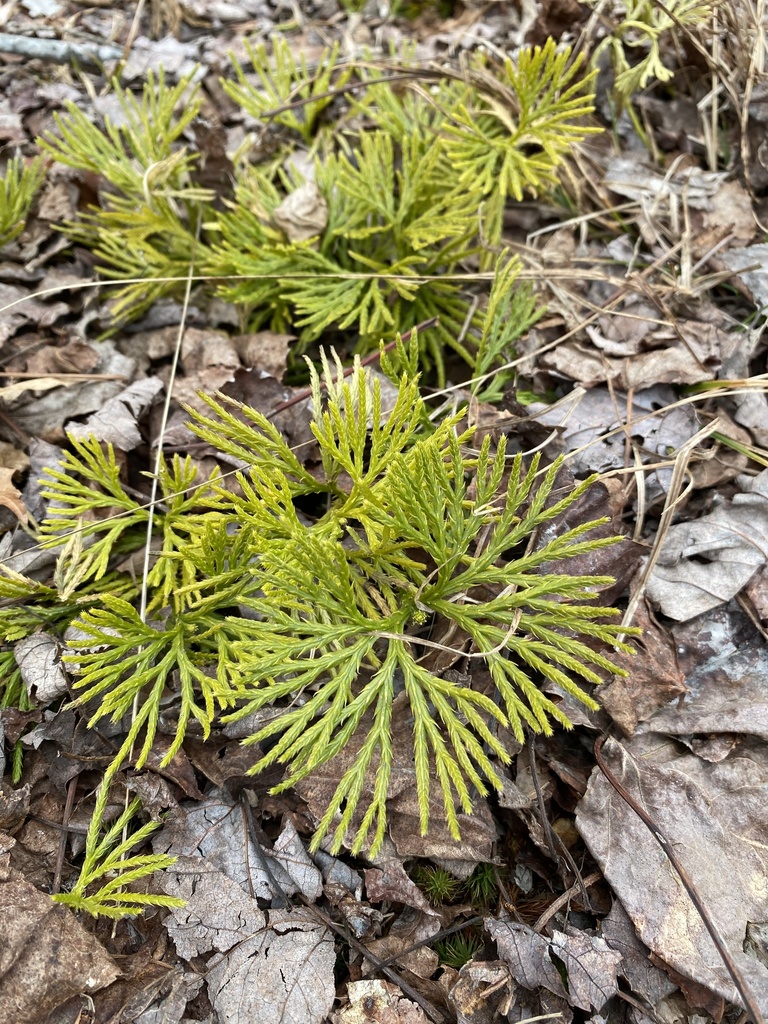
—observations
—countries
—peak records
Least ConcernConservation statusIUCN Red List categoriesLCNTVUENCREWEXLeast ConcernRed List categories, explained →
Diet & preyAutotrophic (photosynthetic)
ThreatsOverharvesting for holiday greenery, soil compaction, and severe habitat loss
HabitatsAcidic mixed forests, pine woods, forest edges, and regenerating clearings
Life spanPerennial (clonal colonies persist for decades)
Classification
- FamilyLycopodiaceae
- SpeciesDiphasiastrum digitatum
Range data is not available yet.
Interaction riskLow
- Low
- Moderate
- High
- Very high
- Why interaction risk is low
- Safe to observe at a normal distance.
Responsible observation
- Tread carefully: Step over trailing runners to avoid severing the creeping rhizomes just beneath the leaf litter.
- Inspect the branchlets: Look closely at the underside of the foliage to see the reduced scale-like leaves typical of the genus.
- Spotting strobili: Search for upright candle-like spore cones emerging above the green fans in late summer and autumn.
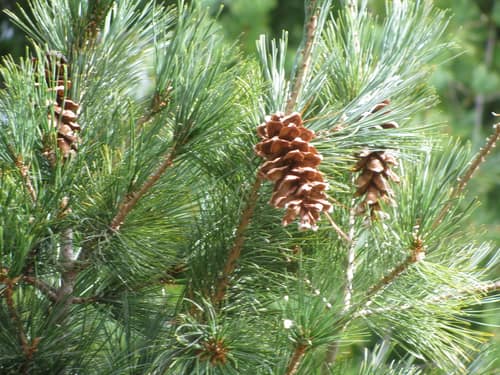
Frequent Companion (c) Forest and Kim Starr, some rights reserved (CC BY) · cc-by Image unavailable
Close Relative Same Family 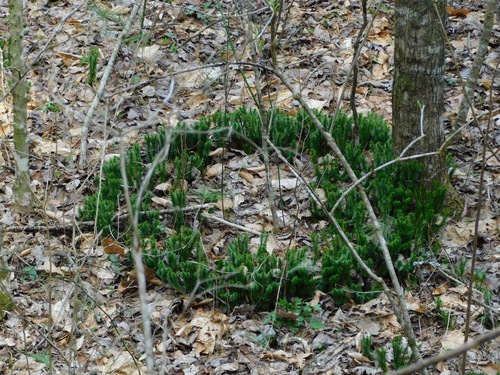
Same Family (c) Michael J. Papay, some rights reserved (CC BY) · cc-by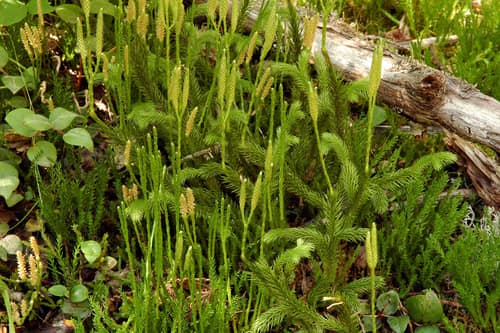
Same Family (c) Timothy McNitt, some rights reserved (CC BY), uploaded by Timothy McNitt · cc-by
Help improve the field guideSomething wrong?
Checking your Fauna account…Report a name, category, or profile issue for review.