
Plant · GBIF taxon 2687943
Great Horsetail
Equisetum telmateiaAlso known as Giant Horsetail, Ivory-stemmed Horsetail, Northern Giant Horsetail
Great horsetail produces two distinct stem types, beginning spring with unbranched, pale fertile shoots topped with spore-bearing cones. Soon after spores shed, tall green vegetative stems emerge with dense whorls of slender branches, reaching heights up to two meters in wet soils. These ancient plants deposit high amounts of silica into their stems, giving them a gritty texture that historically served as a natural scouring material.
Spore-BearingWetlandAncient Lineage
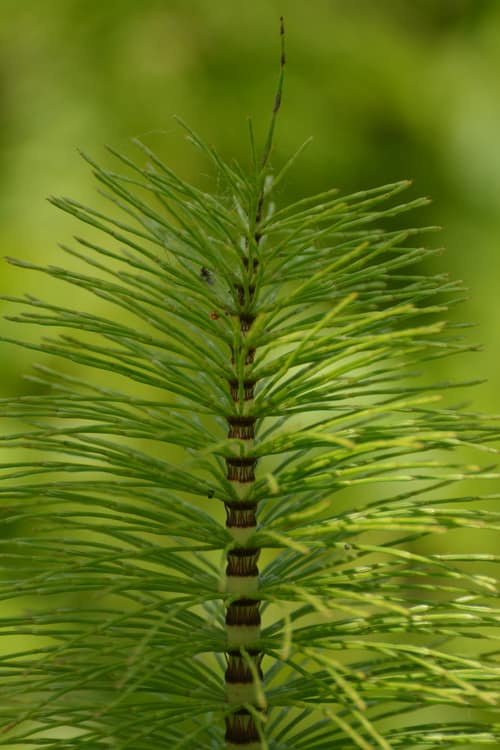
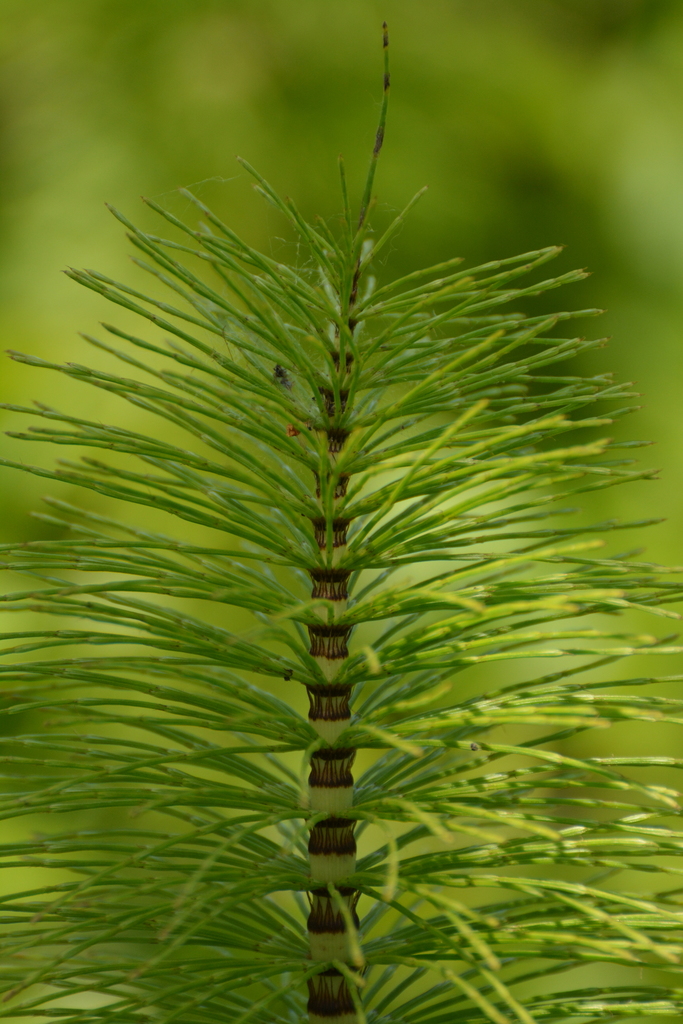 1 / 7
1 / 7—observations
—countries
—peak records
Least ConcernConservation statusIUCN Red List categoriesLCNTVUENCREWEXLeast ConcernRed List categories, explained →
Diet & prey
- Sunlight
- Water
- Soil minerals
Predators
- Invertebrate larvae
- Snails
ThreatsWetland drainage and habitat destruction
HabitatsDamp woodlands, riverbanks, seepages, and wet roadside ditches
Life spanPerennial
Classification
- OrderEquisetales
- FamilyEquisetaceae
- GenusEquisetum
- SpeciesEquisetum telmateia
Range data is not available yet.
Interaction riskHigh
- Low
- Moderate
- High
- Very high
- Why interaction risk is high
- Contains thiaminase, which breaks down vitamin B1 and can harm animals if eaten.
Responsible observation
- Spring Spore Search: Look for pale fertile shoots in early spring before leafy green stems appear.
- Stem Texture: Feel the rough ridged stems gently to notice the built-in silica deposits.
- Habitat Clues: Search along shaded muddy slopes, spring lines, and seepage zones.
 Image unavailable
Close Relative 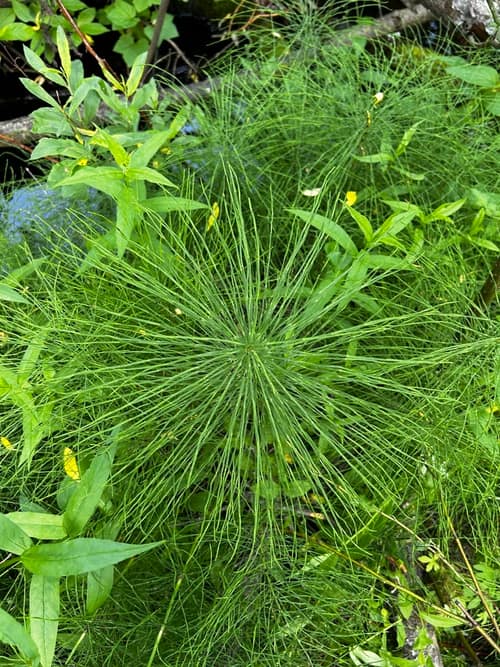
Close Relative (c) Sean Vanderluit, some rights reserved (CC BY), uploaded by Sean Vanderluit · cc-by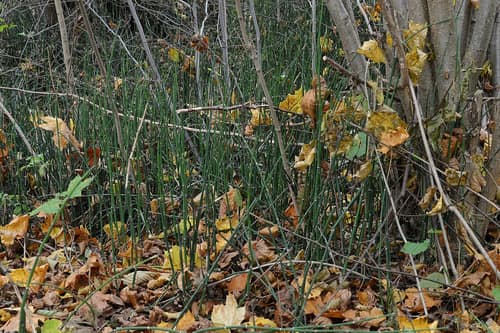
Close Relative Ryan Hodnett / CC BY-SA 4.0 · cc-by-sa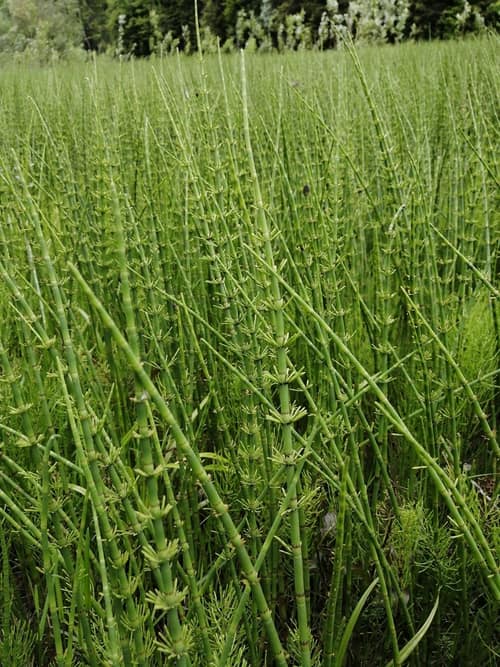
Close Relative (c) Tatiana Strus, some rights reserved (CC BY), uploaded by Tatiana Strus · cc-by
Keep collecting in Fauna
Found in Collections
Ecosystem chain Pro
Secret Garden
Great Horsetail is found in this collection. Identify it in Fauna to fill this slot and continue your progress.
Unlock to track progress
Help improve the field guideSomething wrong?
Checking your Fauna account…Report a name, category, or profile issue for review.