
Plant · GBIF taxon 7924597
Field Horsetail
Equisetum arvenseAlso known as Common Horsetail, Scouring Rush, Bottle Brush, Puzzlegrass
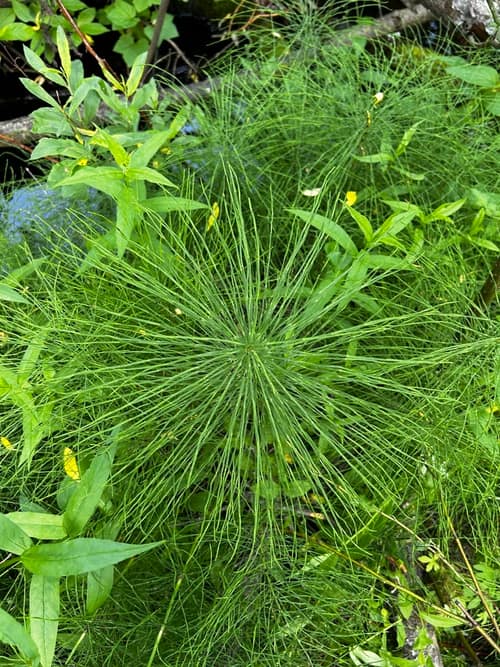
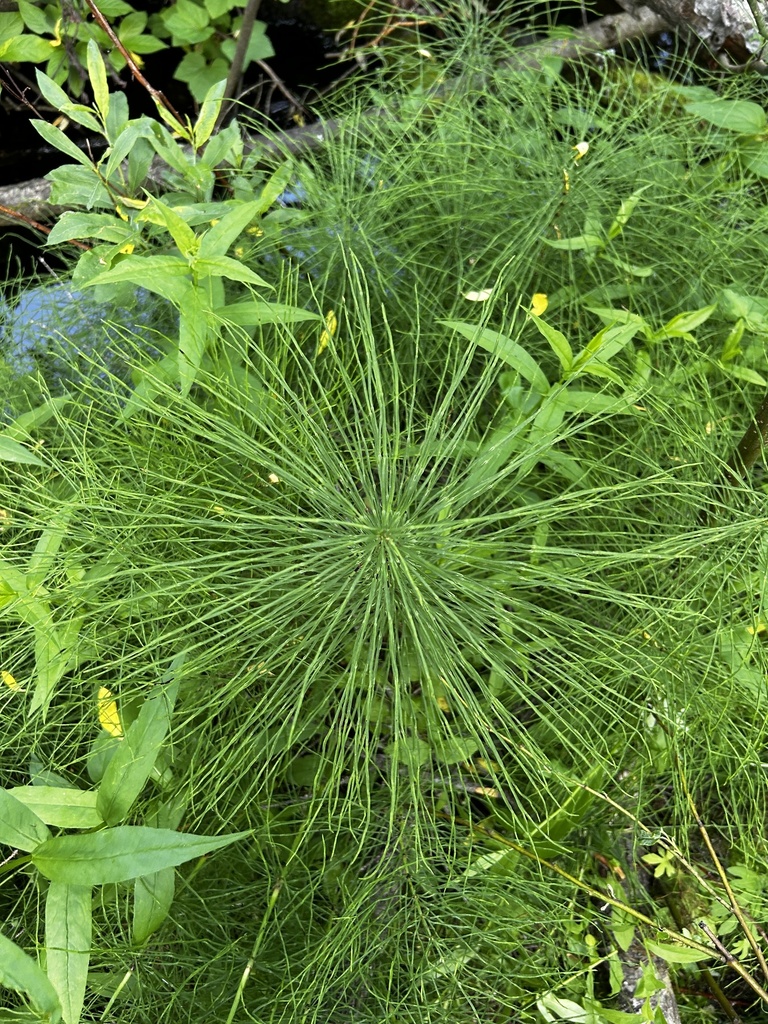
Field horsetail emerges in early spring with pale, brownish fertile shoots that release spores before giving way to lush, green sterile stems. These jointed, bamboo-like stems are reinforced with high concentrations of silica, giving the plant a scratchy texture once used to polish pewter and scrub cookware. Thriving in moist soils across the Northern Hemisphere, this living fossil belongs to a plant lineage over 300 million years old.
Ancient LineageSpore-bearingSilica-rich
 1 / 7
1 / 7—observations
—countries
—peak records
Least ConcernConservation statusIUCN Red List categoriesLCNTVUENCREWEXLeast ConcernRed List categories, explained →
Diet & prey
- Sunlight
- Water
- Soil Minerals
Predators
- Sawfly Larvae
- Grazing Livestock
ThreatsAgricultural expansion, herbicide application
HabitatsWetlands, damp meadows, riverbanks, roadsides
Life spanPerennial
Size / weightNot available
Classification
- OrderEquisetales
- FamilyEquisetaceae
- GenusEquisetum
- SpeciesEquisetum arvense
Range data is not available yet.
Interaction riskHigh
- Low
- Moderate
- High
- Very high
- Why interaction risk is high
- Toxic to horses and pets if ingested in quantity due to thiaminase; observe from a safe distance.
- Why it is dangerous
- Contains thiaminase, an enzyme that destroys vitamin B1 and causes severe neurological toxicity in horses and livestock.
- How to recognize a risky encounter
- Look for hollow, jointed green stems with whorls of fine branches along damp roadsides or pastures.
- What to do
- Prevent horses from grazing in patches and do not harvest wild stems for tea or home remedies.
Responsible observation
- Stem feel: Gently touch the stems to feel the rough abrasive texture created by stored silica.
- Spore observation: Look for brownish cone-like tops on early spring fertile shoots before green stems emerge.
- Growth habit: Check damp ditch edges and wetland borders to spot sprawling colonial patches.
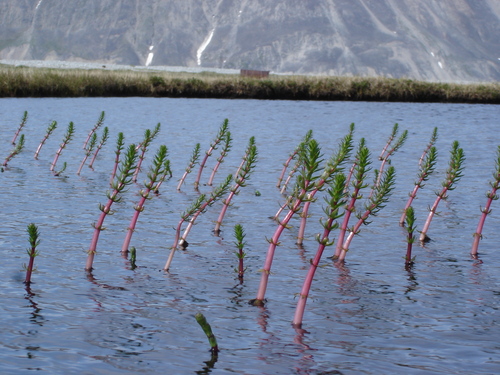
Look-alike no rights reserved · cc0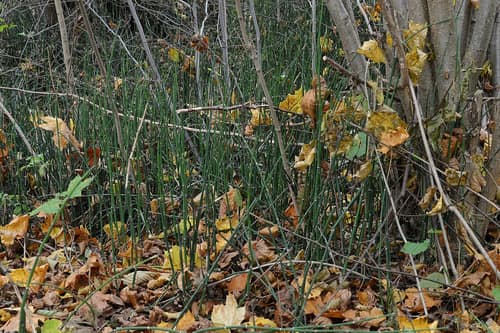
Close Relative Ryan Hodnett / CC BY-SA 4.0 · cc-by-sa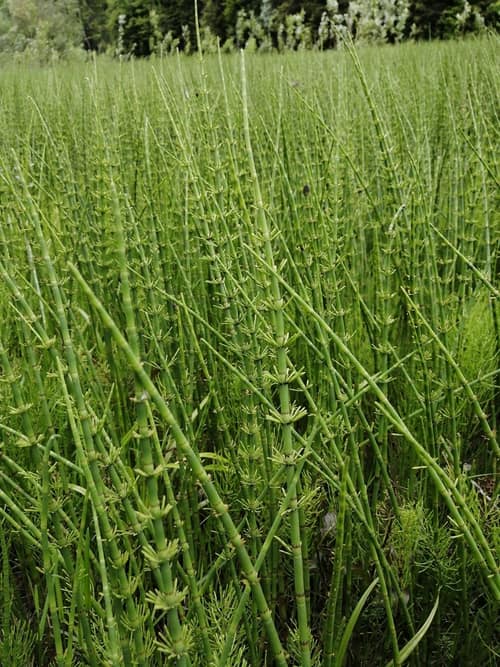
Close Relative (c) Tatiana Strus, some rights reserved (CC BY), uploaded by Tatiana Strus · cc-by
Keep collecting in Fauna
Found in Collections
Ecosystem chain Pro
Secret Garden
Field Horsetail is found in this collection. Identify it in Fauna to fill this slot and continue your progress.
Unlock to track progress
Help improve the field guideSomething wrong?
Checking your Fauna account…Report a name, category, or profile issue for review.