
Plant · GBIF taxon 2685383
Balsam Fir
Abies balsameaAlso known as Balsam, Canadian Balsam, Eastern Fir
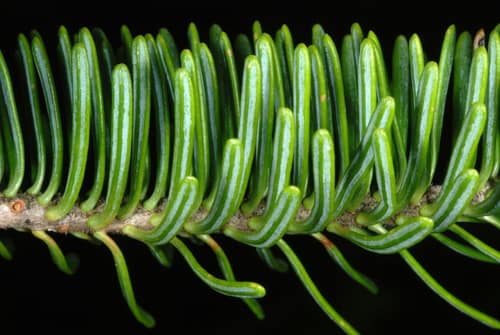
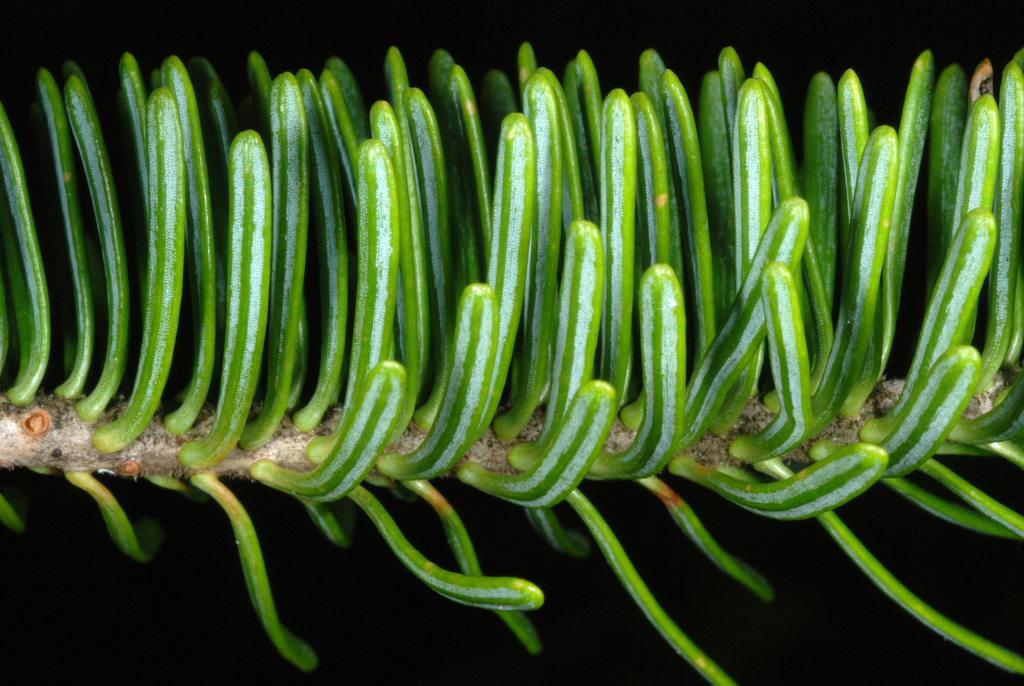
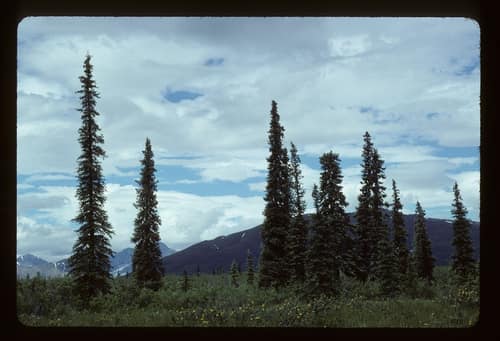
Balsam firs dominate cool boreal forests, easily recognized by their spire-like crowns and fragrant resin-filled bark blisters. Their flat, dark green needles feature two distinct white stomatal bands underneath and remain attached to branches for up to ten years. These conifers serve as vital winter shelter and browse for white-tailed deer and moose across northern regions.
EvergreenConiferBoreal
 1 / 7
1 / 7—observations
—countries
—peak records
Least ConcernConservation statusIUCN Red List categoriesLCNTVUENCREWEXLeast ConcernRed List categories, explained →
Diet & prey
- Autotrophic (Photosynthesis)
Predators
- Spruce Budworm
- Moose
- White-tailed Deer
ThreatsSpruce budworm outbreaks, climate change, timber harvesting
HabitatsBoreal forests, montane slopes, lowlands, bogs
Life span150–200 years
Size / weightNot available
Classification
- OrderPinales
- FamilyPinaceae
- GenusAbies
- SpeciesAbies balsamea
Range data is not available yet.
Interaction riskLow
- Low
- Moderate
- High
- Very high
- Why interaction risk is low
- Safe to observe at a normal distance.
Responsible observation
- Bark Identification: Look for smooth grey bark dotted with raised resin blisters that yield fragrant sap when pressed.
- Foliage Identification: Check for flat needles attached via sucker-like bases with two prominent white stripes beneath.
- Observing Cones: Look high in the upper canopy for erect, dark purple cones that disintegrate at maturity.
Frequent Companion (c) Douglas Goldman, some rights reserved (CC BY-SA), uploaded by Douglas Goldman · cc-by-sa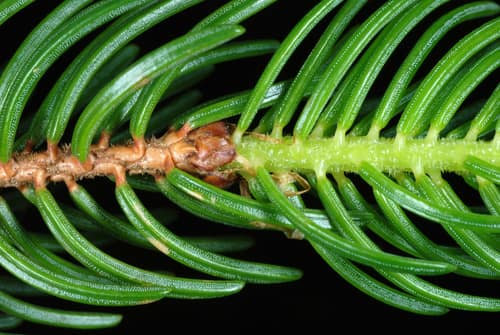
Frequent Companion (c) Douglas Goldman, some rights reserved (CC BY-SA), uploaded by Douglas Goldman · cc-by-sa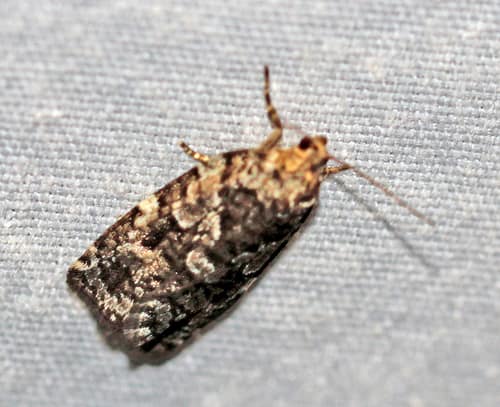
Herbivore no rights reserved · cc0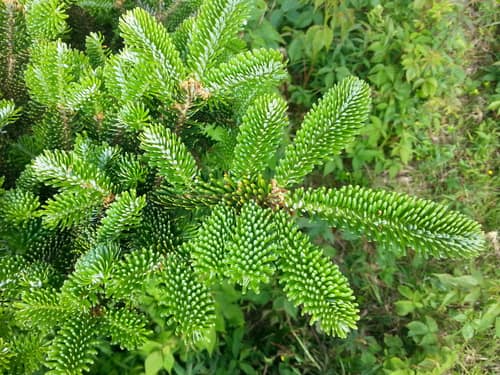
Close Relative (c) Harold Smith, some rights reserved (CC BY), uploaded by Harold Smith · cc-by
Help improve the field guideSomething wrong?
Checking your Fauna account…Report a name, category, or profile issue for review.