
Plant
Fraser Fir
Abies fraseriAlso known as Fraser's Fir, Southern Balsam Fir, She-Balsam
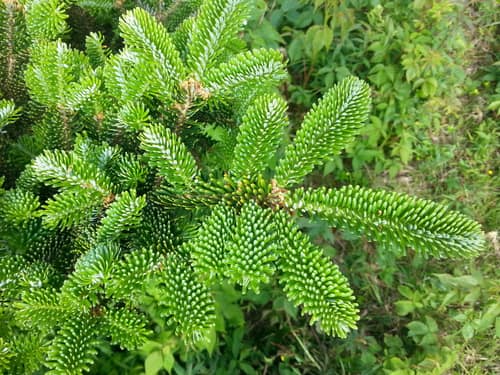
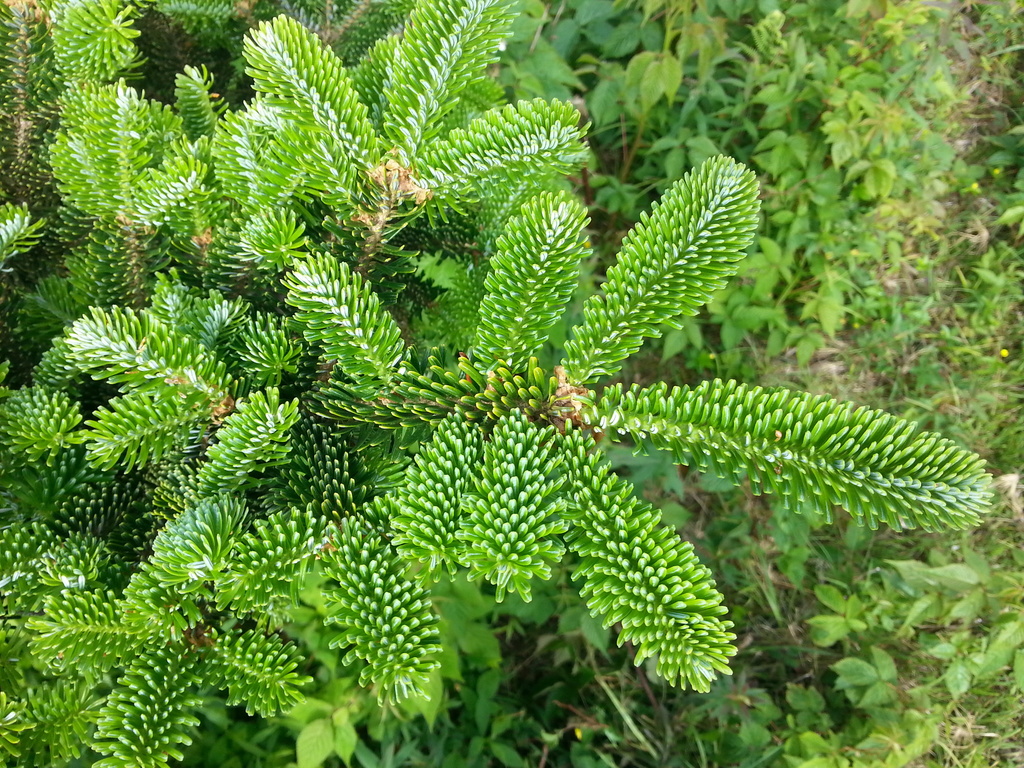
Fraser firs dominate the cool, mist-shrouded summits of the high Southern Appalachians, anchoring unique high-elevation cloud forests. Their dense, dark green foliage features soft, flattened needles marked by striking silver bands on the underside and a distinct citrus-pine fragrance. Tragically, mature populations suffered catastrophic declines in the late twentieth century due to the invasive balsam woolly adelgid.
EvergreenConifer
—observations
—countries
—peak records
EndangeredConservation statusIUCN Red List categoriesLCNTVUENCREWEXEndangeredRed List categories, explained →
Diet & preyAutotrophic (Photosynthesis)
Predators
- Balsam Woolly Adelgid
- Red-backed Vole
- White-tailed Deer
ThreatsInvasive balsam woolly adelgid infestations, climate change, air pollution
HabitatsHigh-elevation spruce-fir forests and Appalachian summits
Life span150–200 years
Classification
- OrderPinales
- FamilyPinaceae
- GenusAbies
- SpeciesAbies fraseri
Range data is not available yet.
Interaction riskLow
- Low
- Moderate
- High
- Very high
- Why interaction risk is low
- Safe to observe at a normal distance.
- What to notice
- Recognized by flat, dark green needles with silver undersides atop the highest Appalachian peaks.
- Support conservation
- Observe from established boardwalks and trails to avoid trampling vulnerable seedling regeneration.
Responsible observation
- Observation: Look for distinctive upright seed cones with yellow-green, recurved bracts on upper branches.
- Scent Identification: Gently press fallen needles between fingers to release a sweet citrus-pine fragrance.
- Ethical Viewing: Stay on designated trails to prevent soil erosion on delicate mountain summits.
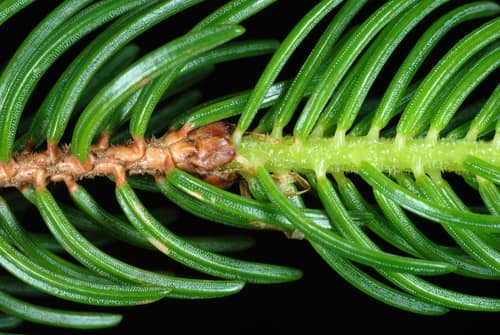
Frequent Companion (c) Douglas Goldman, some rights reserved (CC BY-SA), uploaded by Douglas Goldman · cc-by-sa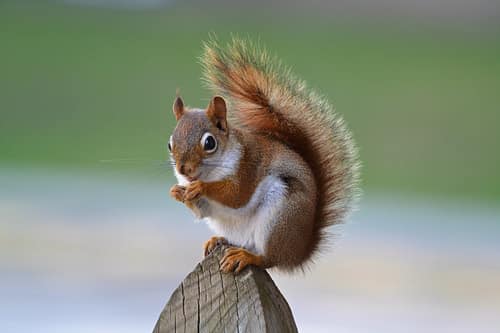
Seed Disperser (c) DaPuglet, some rights reserved (CC BY-SA) · cc-by-sa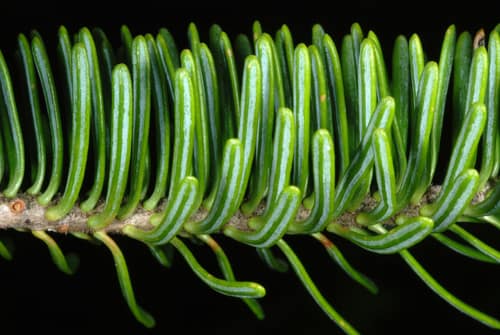
Close Relative (c) Douglas Goldman, some rights reserved (CC BY-SA), uploaded by Douglas Goldman · cc-by-sa
Help improve the field guideSomething wrong?
Checking your Fauna account…Report a name, category, or profile issue for review.