
Plant
Rocky Mountain Juniper
Juniperus scopulorumAlso known as Colorado Red Cedar, Rocky Mountain Cedar, Mountain Red Cedar
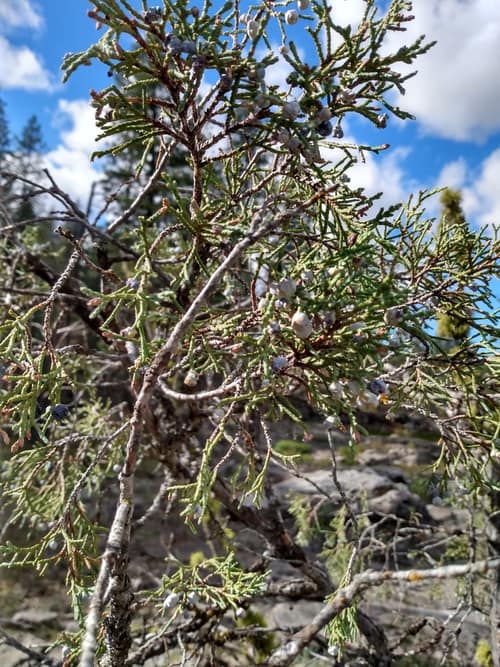
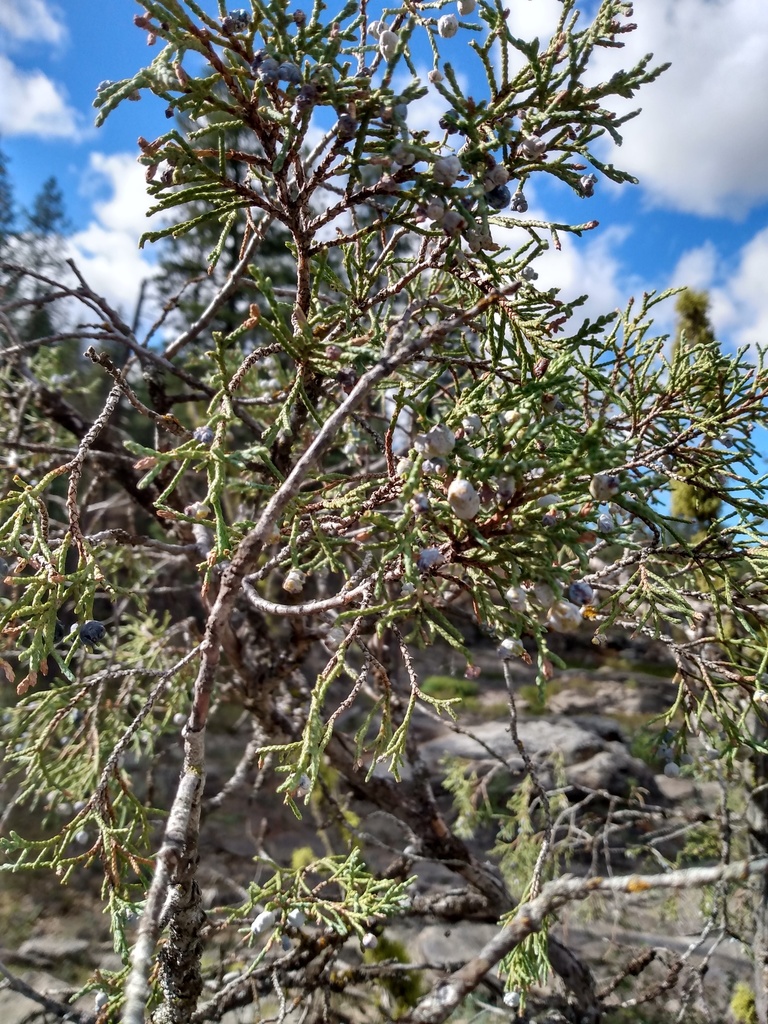
Rocky Mountain junipers anchor rugged western landscapes with gnarled trunks, shredding red-brown bark, and aromatic evergreen foliage. Their pale blue, berry-like seed cones mature over two years, providing crucial winter nourishment for songbirds like Townsend's solitaires. Remarkably long-lived, these resilient conifers endure harsh alpine winds and high-desert droughts for more than a millennium.
EvergreenConiferDrought Tolerant
—observations
—countries
—peak records
Least ConcernConservation statusIUCN Red List categoriesLCNTVUENCREWEXLeast ConcernRed List categories, explained →
Diet & preySunlight, Water, Soil Minerals
ThreatsSevere wildfire, invasive grasses, prolonged drought
HabitatsDry rocky slopes, canyon rims, mountain ridges, open juniper woodlands
Life span300–1,500 years
Classification
- OrderPinales
- FamilyCupressaceae
- GenusJuniperus
- SpeciesJuniperus scopulorum
Range data is not available yet.
Interaction riskLow
- Low
- Moderate
- High
- Very high
- Why interaction risk is low
- Wild berries and cones have toxic look-alikes; never eat wild plant parts based on app identification alone.
Responsible observation
- Cone Identification: Look for small, fleshy, blue-glaucous cones containing two seeds that mature over two seasons.
- Bark and Form: Observe the stringy, reddish-brown bark peeling in thin strips along slow-growing, twisted trunks.
- Winter Wildlife Spotting: Watch for solitary thrushes and waxwings foraging on cone crops during frozen winter months.
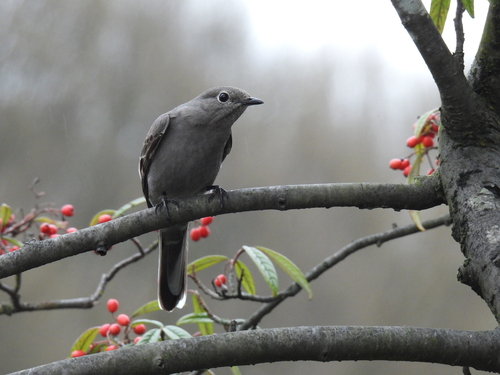
Seed Disperser (c) Pete Lypkie, some rights reserved (CC BY) · cc-by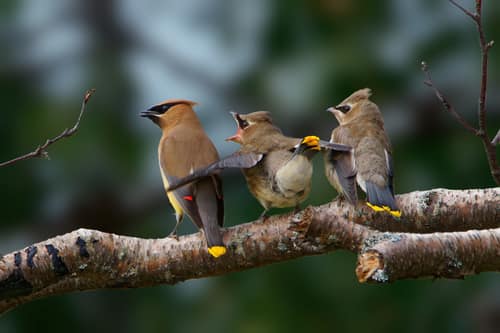
Frequent Companion (c) Christian Back, some rights reserved (CC BY), uploaded by Christian Back · cc-by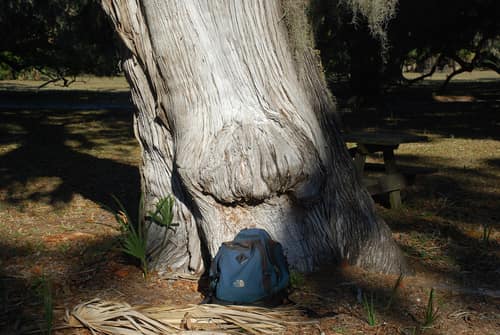
Close Relative (c) Douglas Goldman, some rights reserved (CC BY-SA), uploaded by Douglas Goldman · cc-by-sa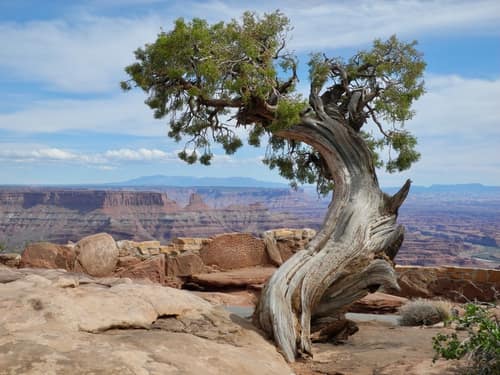
Close Relative (c) Michael J. Papay, some rights reserved (CC BY), uploaded by Michael J. Papay · cc-by
Help improve the field guideSomething wrong?
Checking your Fauna account…Report a name, category, or profile issue for review.