
Plant · GBIF taxon 2684773
Rocky Mountain Juniper
Juniperus scopulorumAlso known as Colorado Red Cedar, Rocky Mountain Cedar, Mountain Red Cedar
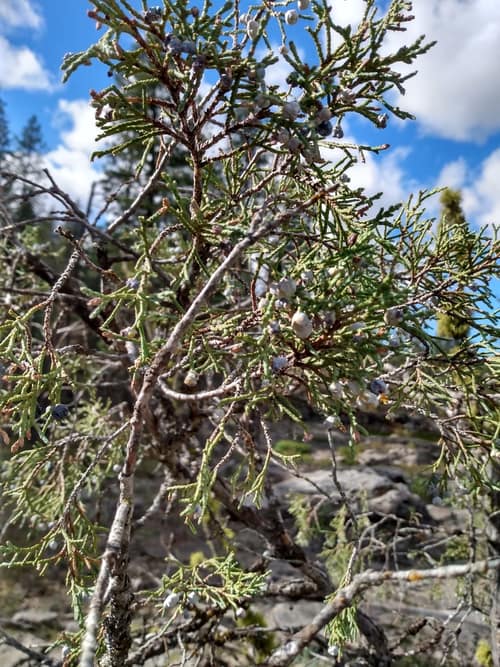
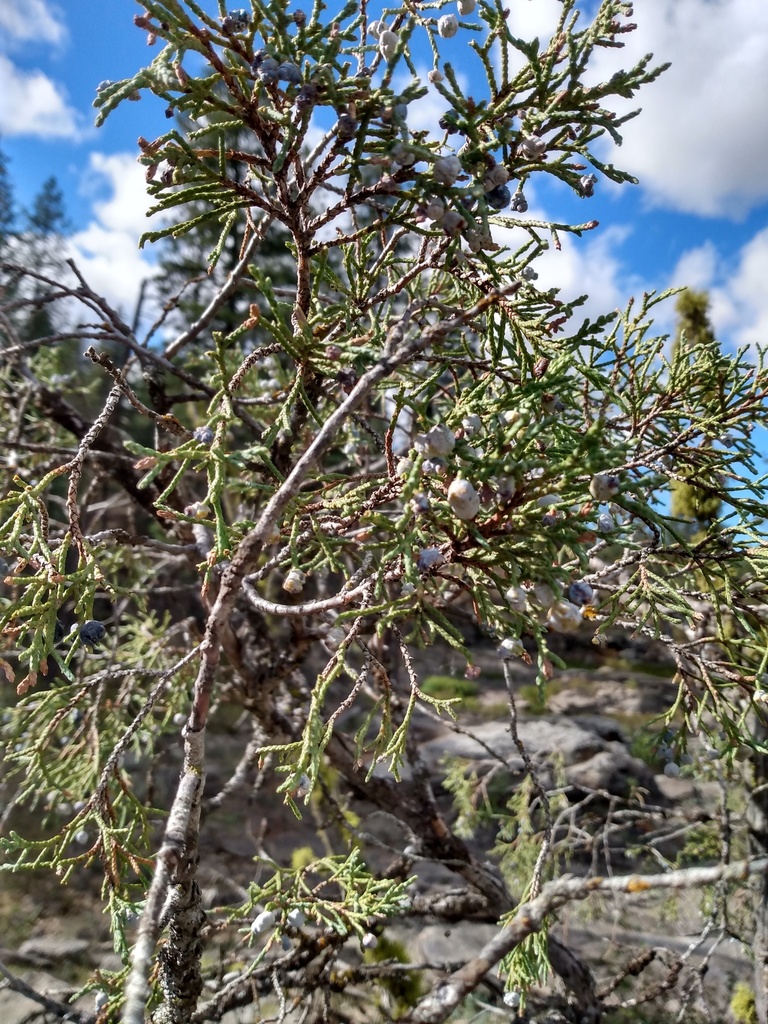
Rocky Mountain junipers anchor rugged western landscapes with gnarled trunks, shredding red-brown bark, and aromatic evergreen foliage. Their pale blue, berry-like seed cones mature over two years, providing crucial winter nourishment for songbirds like Townsend's solitaires. Remarkably long-lived, these resilient conifers endure harsh alpine winds and high-desert droughts for more than a millennium.
EvergreenConiferDrought Tolerant
—observations
—countries
—peak records
Least ConcernConservation statusIUCN Red List categoriesLCNTVUENCREWEXLeast ConcernRed List categories, explained →
Diet & prey
- Sunlight
- Water
- Soil Minerals
Predators
Not available
ThreatsSevere wildfire, invasive grasses, prolonged drought
HabitatsDry rocky slopes, canyon rims, mountain ridges, open juniper woodlands
Life span300–1,500 years
Size / weightNot available
Classification
- OrderPinales
- FamilyCupressaceae
- GenusJuniperus
- SpeciesJuniperus scopulorum
Range data is not available yet.
Interaction riskLow
- Low
- Moderate
- High
- Very high
- Why interaction risk is low
- Wild berries and cones have toxic look-alikes; never eat wild plant parts based on app identification alone.
Responsible observation
- Cone Identification: Look for small, fleshy, blue-glaucous cones containing two seeds that mature over two seasons.
- Bark and Form: Observe the stringy, reddish-brown bark peeling in thin strips along slow-growing, twisted trunks.
- Winter Wildlife Spotting: Watch for solitary thrushes and waxwings foraging on cone crops during frozen winter months.
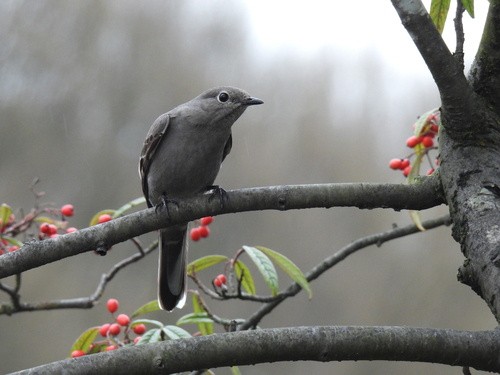
Seed Disperser (c) Pete Lypkie, some rights reserved (CC BY) · cc-by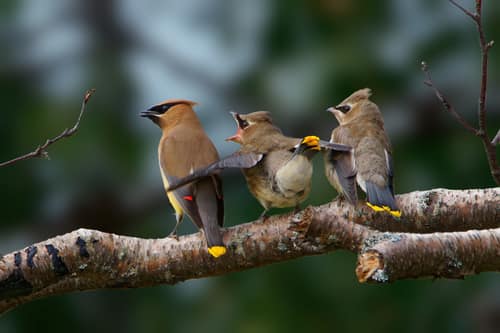
Frequent Companion (c) Christian Back, some rights reserved (CC BY), uploaded by Christian Back · cc-by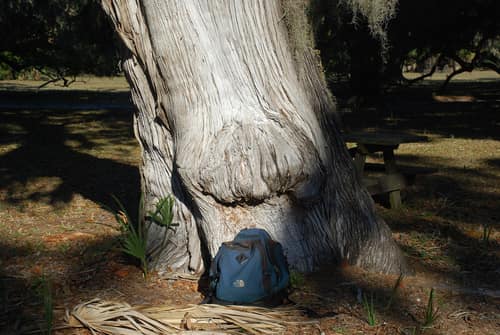
Close Relative (c) Douglas Goldman, some rights reserved (CC BY-SA), uploaded by Douglas Goldman · cc-by-sa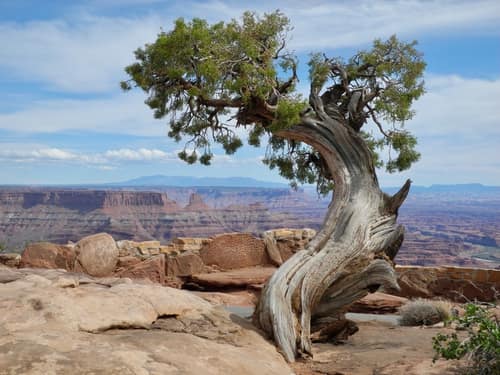
Close Relative (c) Michael J. Papay, some rights reserved (CC BY), uploaded by Michael J. Papay · cc-by
Help improve the field guideSomething wrong?
Checking your Fauna account…Report a name, category, or profile issue for review.