
Plant · GBIF taxon 2684615
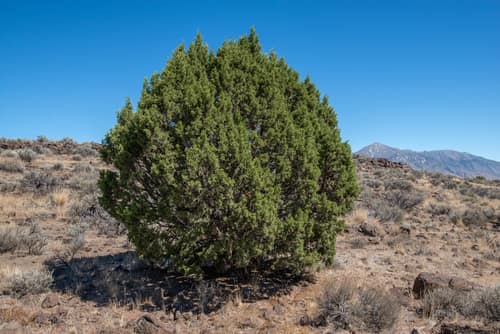
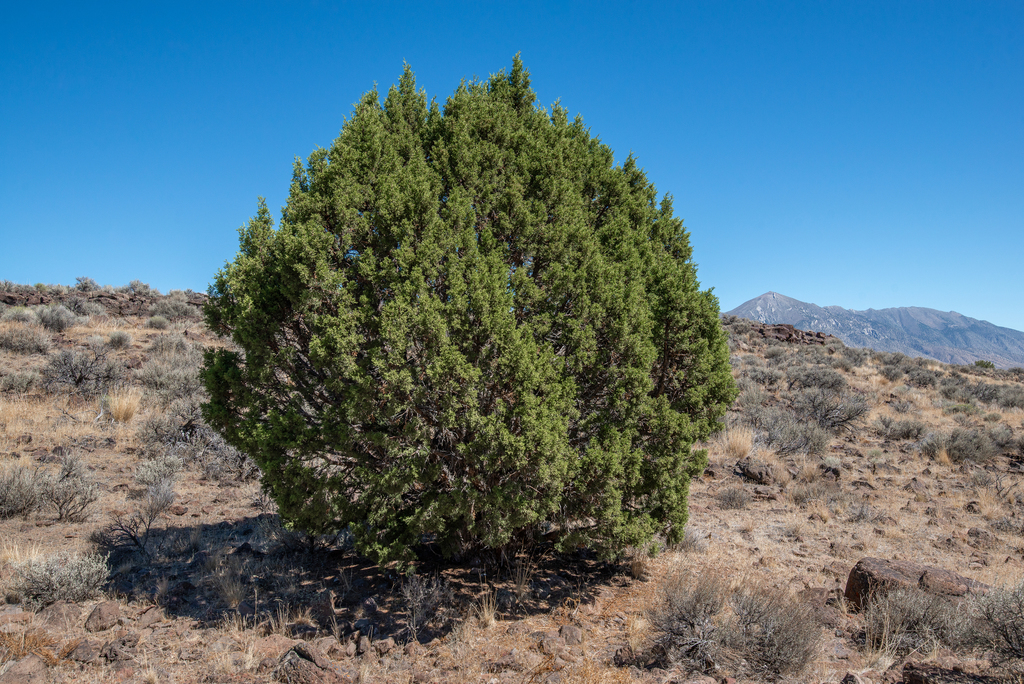
Western Juniper
Juniperus occidentalisAlso known as Sierra Juniper
Western juniper thrives across the arid plateaus and rocky slopes of the Great Basin and Pacific Northwest, often developing massive, twisted trunks and flattened crowns on wind-scoured ridges. Its resinous, bluish seed cones take two years to mature and provide critical winter nutrition for sagebrush birds like Townsend's solitaires. Long-term fire suppression has allowed this slow-growing conifer to expand into open rangelands, reshaping regional hydrology and sagebrush steppe ecology.
EvergreenDrought-TolerantLong-Lived
 1 / 7
1 / 7—observations
—countries
—peak records
Least ConcernConservation statusIUCN Red List categoriesLCNTVUENCREWEXLeast ConcernRed List categories, explained →
Diet & prey
- Photoautotrophic (sunlight, carbon dioxide, water, and soil minerals)
Predators
Not available
ThreatsSevere wildfire, rangeland clearing initiatives, and changing precipitation regimes
HabitatsArid rocky slopes, sagebrush steppe, dry plateau woodlands, and montane forests
Life span1,000–1,600+ years
Size / weightNot available
Classification
- OrderPinales
- FamilyCupressaceae
- GenusJuniperus
- SpeciesJuniperus occidentalis
Range data is not available yet.
Interaction riskHigh
- Low
- Moderate
- High
- Very high
- Why interaction risk is high
- Foliage and cones are toxic to pets and livestock; wild berries have toxic look-alikes, never ingest.
- Why it is dangerous
- Contains isocupressic acid and volatile terpene oils that induce toxic abortion in cattle and cause severe digestive upset and kidney strain in dogs.
- How to recognize a risky encounter
- Look for scale-like evergreen foliage, fibrous reddish bark, and powdery blue berry-like cones with a white waxy coating.
- What to do
- Do not allow grazing livestock or curious domestic pets to browse foliage or eat fallen cones.
Responsible observation
- Aroma: Crush a small scale-like leaf between your fingers to experience its pungent, resinous cedar scent.
- Bark Identification: Look for distinctive reddish-brown bark that shreds into long, fibrous vertical strips on mature trunks.
- Birding Clues: Scan the canopy during winter months to spot feeding solitaires and waxwings defending cone-rich feeding territories.
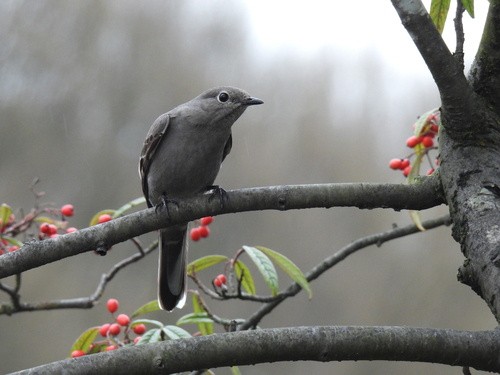
Seed Disperser (c) Pete Lypkie, some rights reserved (CC BY) · cc-by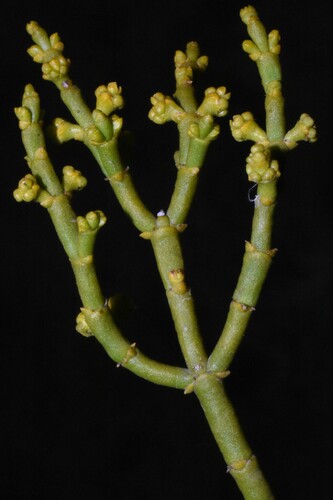
Parasite (c) Gabriel Campbell-Martinez, some rights reserved (CC BY), uploaded by Gabriel Campbell-Martinez · cc-by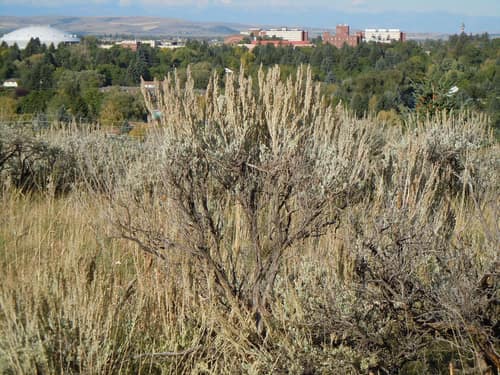
Competitor (c) Matt Lavin, some rights reserved (CC BY) · cc-by
Same Genus (c) Michael J. Papay, some rights reserved (CC BY), uploaded by Michael J. Papay · cc-by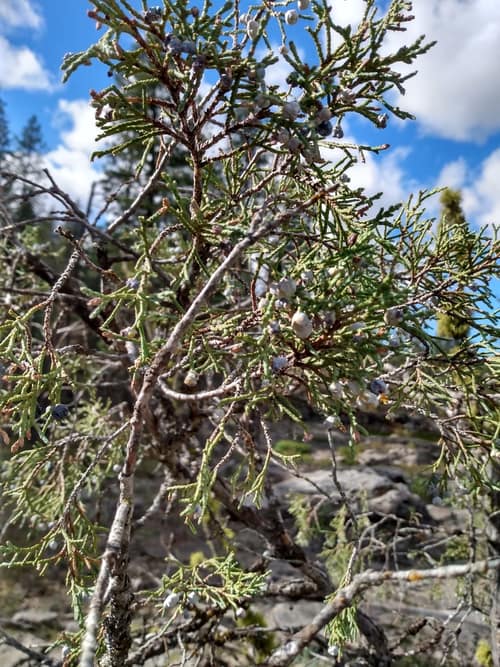
Same Genus (c) John Powers, some rights reserved (CC BY) · cc-by
Help improve the field guideSomething wrong?
Checking your Fauna account…Report a name, category, or profile issue for review.