
Plant · GBIF taxon 2684410
Creeping Juniper
Juniperus horizontalisAlso known as Creeping Cedar, Trailing Juniper, Prostrate Juniper
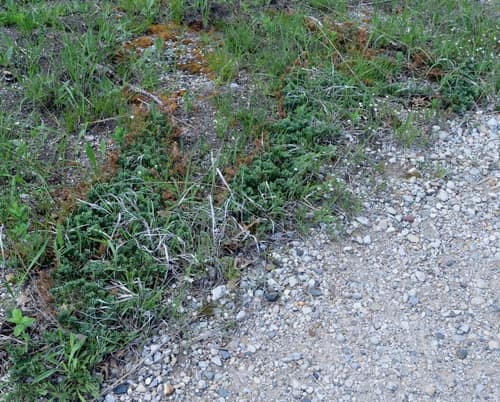
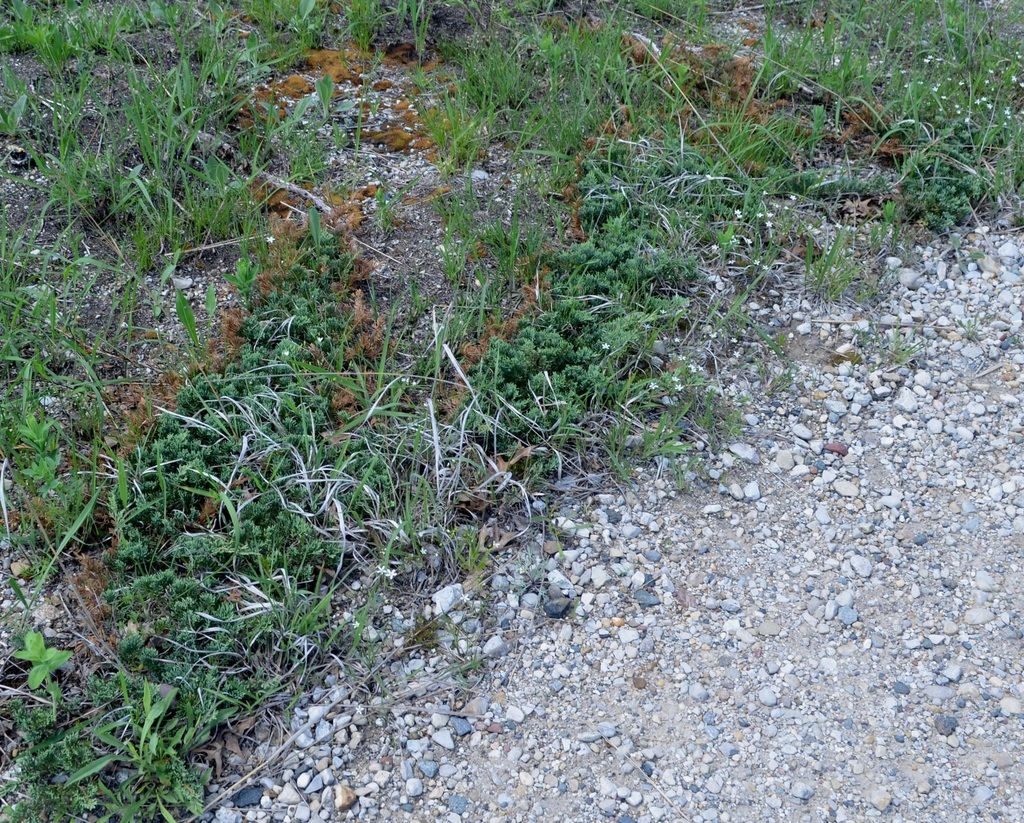
Creeping juniper forms dense, sprawling carpets along sandy dunes, rocky slopes, and exposed shorelines across northern North America. Its scale-like evergreen foliage turns shades of purple-bronze in winter and produces bluish seed cones that sustain overwintering birds. By anchoring fragile soils with extensive root systems, it plays a vital ecological role in preventing coastal and slope erosion.
EvergreenGround CoverNative Plant
—observations
—countries
—peak records
Least ConcernConservation statusIUCN Red List categoriesLCNTVUENCREWEXLeast ConcernRed List categories, explained →
Diet & prey
- Autotrophic (Photosynthesis)
Predators
- Cedar Waxwing
- American Robin
- Ruffed Grouse
ThreatsHabitat loss, coastal development, trampling
HabitatsSand dunes, rocky outcrops, shorelines, boreal clearings
Life span50–100+ years
Size / weightNot available
Classification
- OrderPinales
- FamilyCupressaceae
- GenusJuniperus
- SpeciesJuniperus horizontalis
Range data is not available yet.
Interaction riskLow
- Low
- Moderate
- High
- Very high
- Why interaction risk is low
- Wild berries have toxic look-alikes; never eat wild fruits based on app identification alone.
Responsible observation
- Identification: Look for scale-like evergreen leaves and bluish, fleshy seed cones.
- Landscaping: Highly valued as a drought-tolerant groundcover in full sun.
- Etiquette: Avoid stepping on trailing stems when exploring fragile dune habitats.
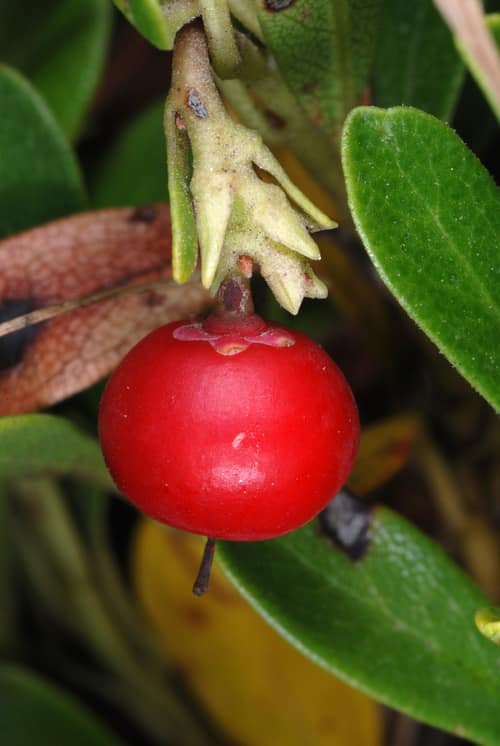
Frequent Companion (c) Douglas Goldman, some rights reserved (CC BY-SA), uploaded by Douglas Goldman · cc-by-sa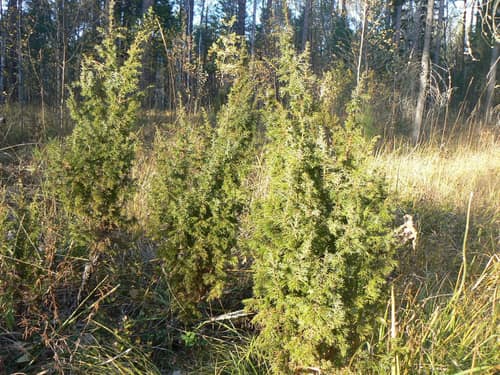
Close Relative (c) Andrew Bazdyrev, some rights reserved (CC BY), uploaded by Andrew Bazdyrev · cc-by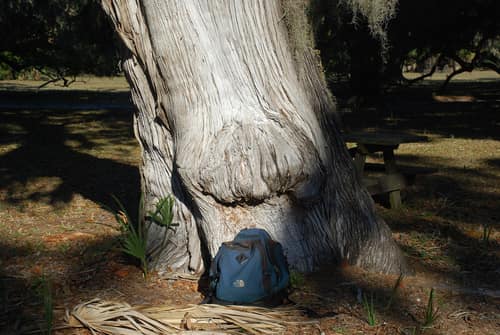
Close Relative (c) Douglas Goldman, some rights reserved (CC BY-SA), uploaded by Douglas Goldman · cc-by-sa
Help improve the field guideSomething wrong?
Checking your Fauna account…Report a name, category, or profile issue for review.