
Plant · GBIF taxon 2684243
Mountain Cypress
Widdringtonia nodifloraAlso known as Mountain Cedar, Berg Seder
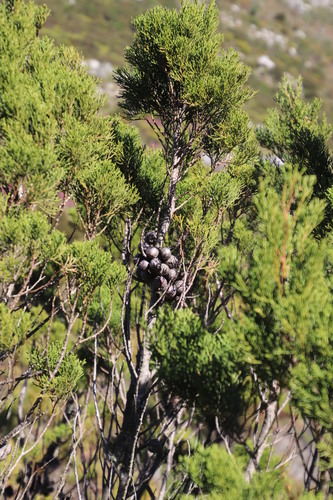
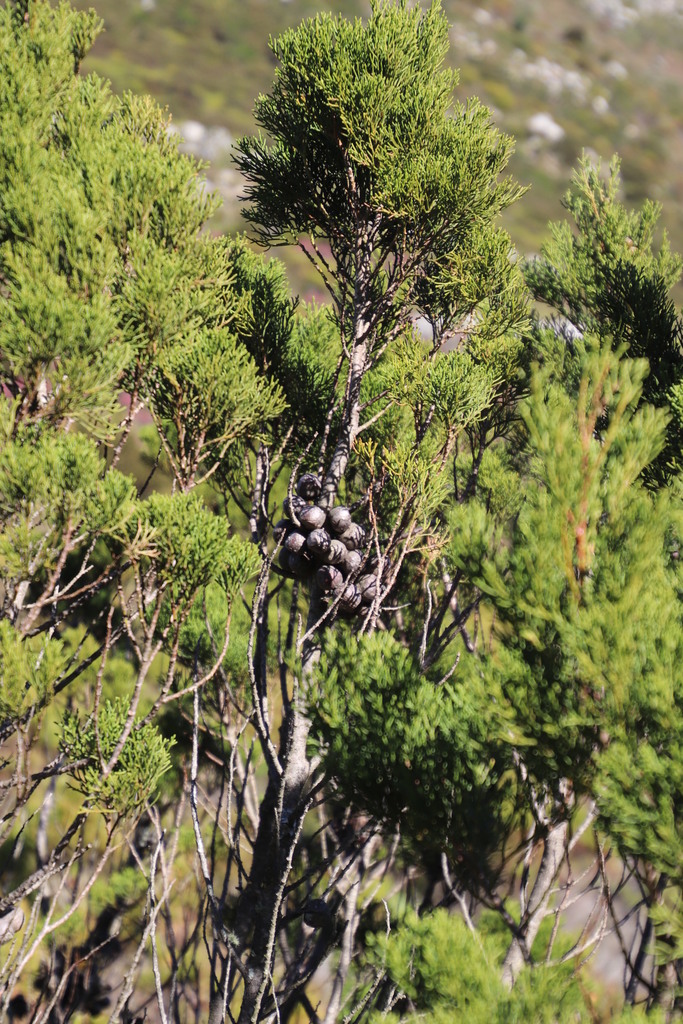
Mountain cypresses anchor rocky slopes across southern Africa, surviving periodic wildfires that destroy their top growth by sprouting vigorously from subterranean rootstocks. Their fine scale-like leaves form dense olive-green sprays that release a resinous fragrance when crushed by mountain hikers. Small woody cones mature along the branches, opening after fires to release winged seeds into freshly cleared fynbos soil.
EvergreenFire-AdaptedMontane
—observations
—countries
—peak records
Least ConcernConservation statusIUCN Red List categoriesLCNTVUENCREWEXLeast ConcernRed List categories, explained →
Diet & prey
- Photosynthetic
Predators
Not available
ThreatsHigh fire frequency, invasive alien plants, climate change
HabitatsMontane fynbos, rocky ravines, mountain summits
Life span100–300 years
Size / weightNot available
Classification
- FamilyCupressaceae
- SpeciesWiddringtonia nodiflora
Range data is not available yet.
Interaction riskLow
- Low
- Moderate
- High
- Very high
- Why interaction risk is low
- Safe to observe at a normal distance.
Responsible observation
- Observation: Look for multi-stemmed root coppices on charred slopes after recent wildfires.
- Identification: Check for tiny scale-like foliage and small rounded woody cones with four scales.
- Ethics: Avoid trampling fragile montane fynbos vegetation while hiking along rocky ridges.
 Image unavailable
Close Relative 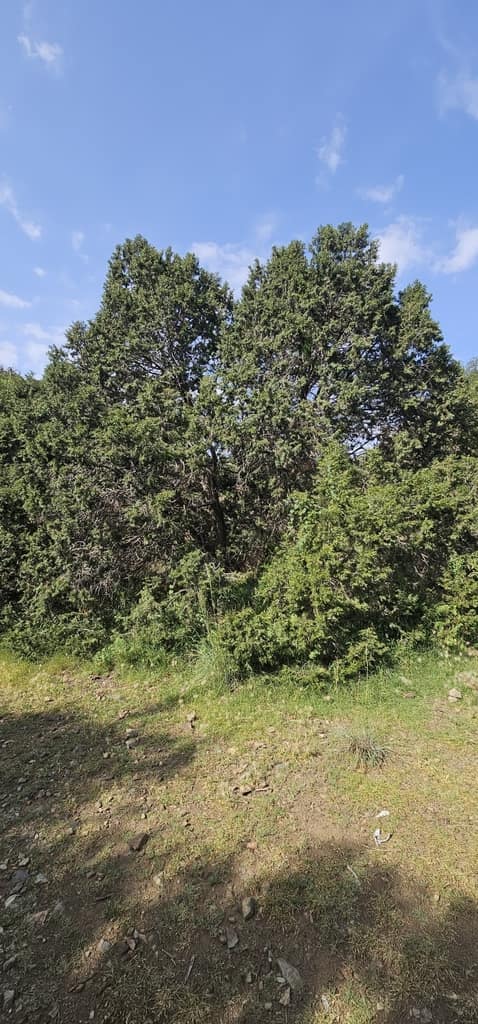
Family Relative (c) Jacky Judas, some rights reserved (CC BY) · cc-by
Help improve the field guideSomething wrong?
Checking your Fauna account…Report a name, category, or profile issue for review.