
Plant · GBIF taxon 2684500
African Juniper
Juniperus proceraAlso known as East African Cedar, African Cedar, East African Juniper
African junipers dominate high-altitude Afromontane canopy forests, growing into massive evergreen trees with peeling shreddy bark and dense aromatic foliage. Their blue-black seed cones feed native birds and mammals, which disperse the seeds across rugged montane slopes. Highly prized for decay-resistant wood, old-growth stands have suffered heavy logging yet remain vital anchor trees in fragile highland watersheds.
EvergreenTreeAfromontane
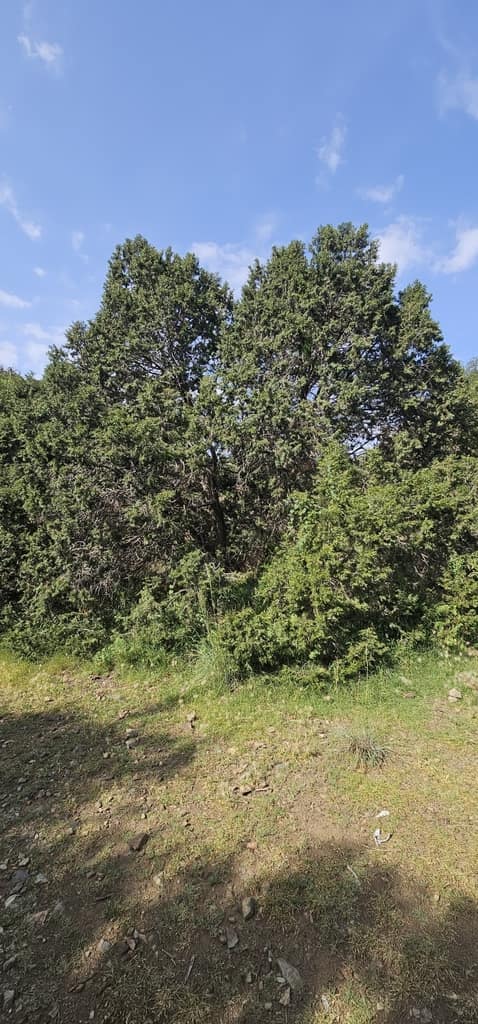
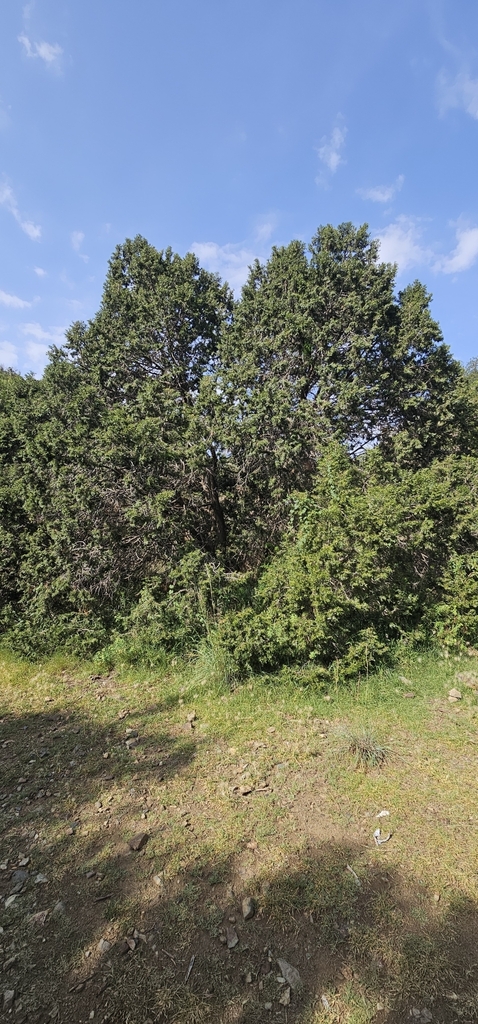
—observations
—countries
—peak records
Least ConcernConservation statusIUCN Red List categoriesLCNTVUENCREWEXLeast ConcernRed List categories, explained →
Diet & prey
- Sunlight
- Water
- Soil Nutrients
Predators
- Livestock
- Turacos
- Bark Beetles
ThreatsDeforestation, illegal logging for timber, overgrazing
HabitatsAfromontane forests, mountain slopes, high-altitude ridge crests
Life span300–500 years
Size / weightNot available
Classification
- FamilyCupressaceae
- SpeciesJuniperus procera
Range data is not available yet.
Interaction riskLow
- Low
- Moderate
- High
- Very high
- Why interaction risk is low
- Wild berries and cones have toxic look-alikes; never eat based on app identification alone.
Responsible observation
- Observation: Look for characteristic stringy bark peeling in long vertical strips on older trunks.
- Habitat: Explore protected Afromontane forest reserves at high elevations to see mature specimens.
- Identification: Examine small scale-like leaves and bluish berry-like seed cones on branch tips.
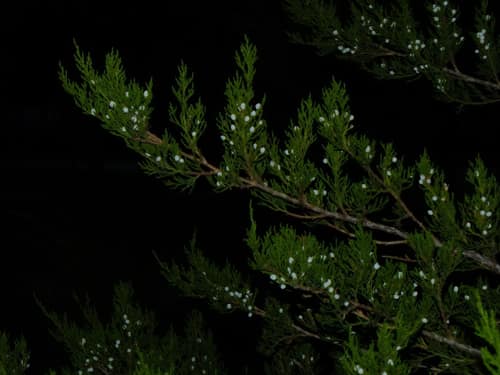
Close Relative (c) Поляков Александр, some rights reserved (CC BY) · cc-by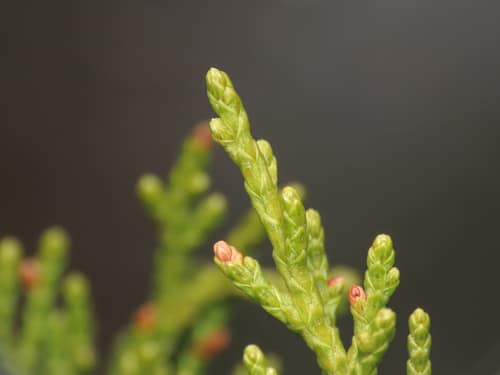
Close Relative (c) Emanuele Santarelli, some rights reserved (CC BY-SA), uploaded by Emanuele Santarelli · cc-by-sa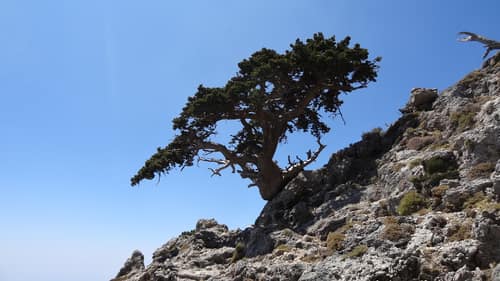
Family Member (c) Rockhopper2, some rights reserved (CC BY-SA) · cc-by-sa
Help improve the field guideSomething wrong?
Checking your Fauna account…Report a name, category, or profile issue for review.