
Plant
Pondcypress
Taxodium ascendensAlso known as Pond Cypress, Ascending Cypress
Pondcypress is a graceful deciduous conifer that anchors shallow wetland depressions across the southeastern coastal plain, often forming striking circular stands known as cypress domes. Its slender branchlets bear tightly pressed, needle-like leaves that turn a glowing copper-bronze each autumn before dropping entirely for winter. Swollen fluted trunks and rounded woody knees emerge from the dark, acidic water, stabilizing the tree in saturated peat and providing vital structure for aquatic life.
Deciduous ConiferWetlandNative
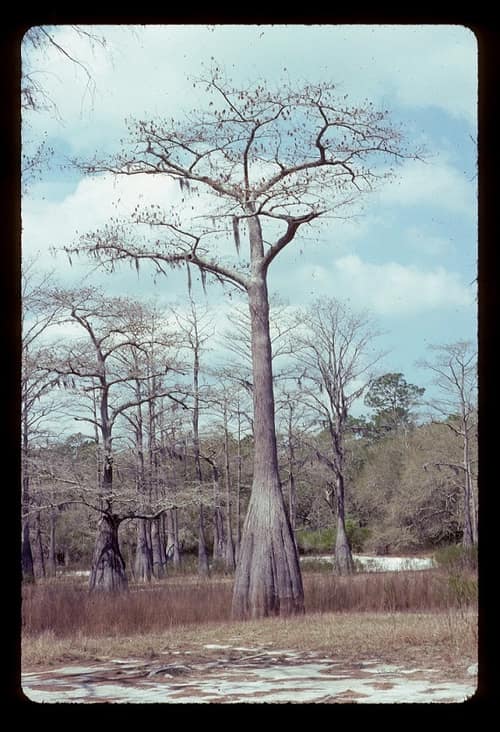
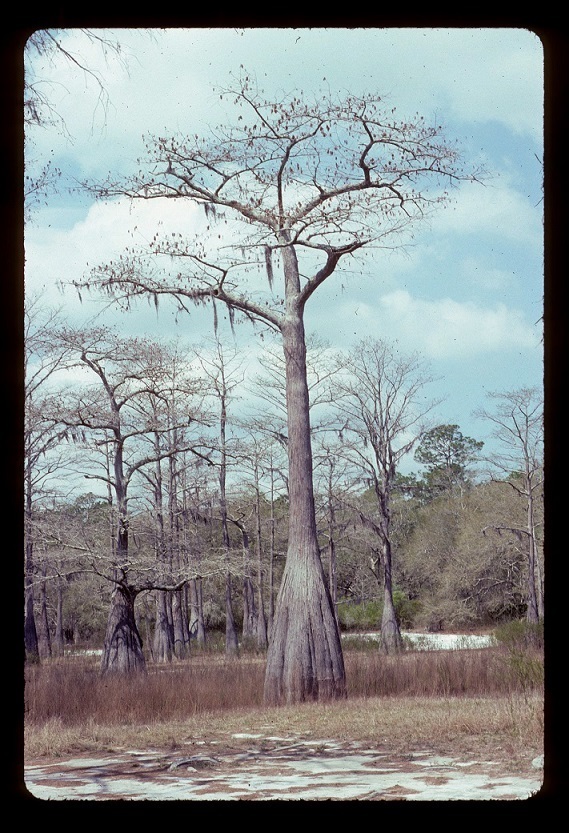
—observations
—countries
—peak records
Least ConcernConservation statusIUCN Red List categoriesLCNTVUENCREWEXLeast ConcernRed List categories, explained →
Diet & preyAutotrophic (photosynthesis)
Predators
- Cypress Flea Beetle
- Cypress Looper Moth
- Nutria
ThreatsWetland drainage, hydrologic disruption, and logging
HabitatsBlackwater rivers, cypress domes, Carolina bays, and shallow acidic ponds
Life span500–1,000 years
Classification
- OrderPinales
- FamilyCupressaceae
- GenusTaxodium
- SpeciesTaxodium ascendens
Range data is not available yet.
Interaction riskLow
- Low
- Moderate
- High
- Very high
- Why interaction risk is low
- Safe to observe at a normal distance.
Responsible observation
- Boardwalk Etiquette: Stay on elevated wooden boardwalks to avoid damaging delicate roots and submerged cypress knees.
- Foliage Inspection: Look closely at the branchlets in summer to notice the upright, pressed needles that distinguish it from bald cypress.
- Knee Viewing: Scan the water around the base to observe blunt, woody knees rising into the open air.
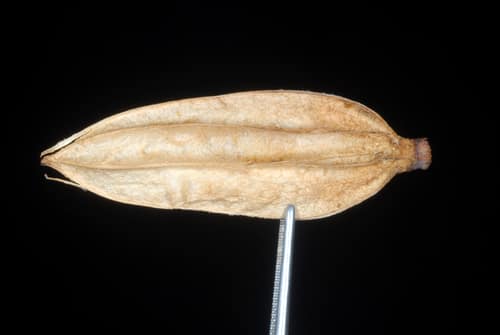
Frequent Companion (c) Douglas Goldman, some rights reserved (CC BY-SA), uploaded by Douglas Goldman · cc-by-sa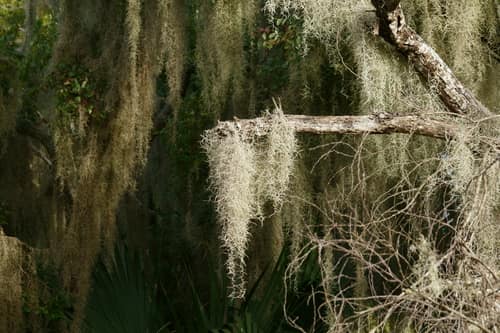
Symbiont (c) psweet, some rights reserved (CC BY-SA), uploaded by psweet · cc-by-sa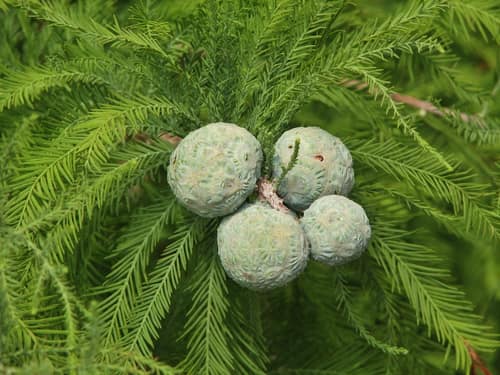
Close Relative (c) Annika Lindqvist, some rights reserved (CC BY), uploaded by Annika Lindqvist · cc-by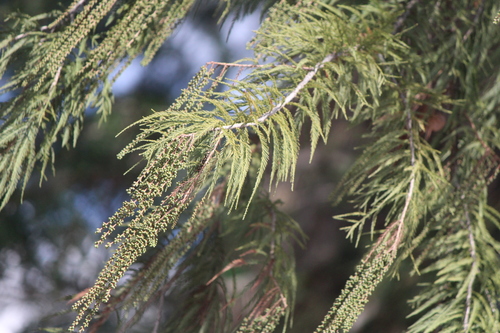
Close Relative (c) José Belem Hernández Díaz, some rights reserved (CC BY), uploaded by José Belem Hernández Díaz · cc-by
Help improve the field guideSomething wrong?
Checking your Fauna account…Report a name, category, or profile issue for review.