
Plant
Pond Cypress
Taxodium distichum imbricariumAlso known as Pondcypress, Ascending Bald Cypress
Pond cypress trees shape the unique wetland ecosystems of the southeastern coastal plain, growing in still, nutrient-poor blackwater swamps and Carolina bays. Their appressed, scale-like needles grow on erect branchlets, creating a distinctively fine-textured, column-like canopy. Like their close relatives, they produce specialized woody root projections called cypress knees that assist with stabilization in waterlogged soils.
ConiferWetlandDeciduous
—observations
—countries
—peak records
Least ConcernConservation statusIUCN Red List categoriesLCNTVUENCREWEXLeast ConcernRed List categories, explained →
Diet & preySunlight, Water, Soil Minerals
Predators
- Cypress Tip Borer
- Bagworm Moth
- American Beaver
ThreatsWetland drainage, sea level rise, invasive species
HabitatsBlackwater swamps, Carolina bays, cypress domes, wet flatwoods
Life span500–1000+ years
Classification
- FamilyCupressaceae
- SpeciesTaxodium distichum imbricarium
Range data is not available yet.
Interaction riskLow
- Low
- Moderate
- High
- Very high
- Why interaction risk is low
- Safe to observe at a normal distance.
Responsible observation
- Viewing Knees: Look around the base of trees in seasonal ponds to spot erect woody root projections.
- Seasonal Color: Visit in late autumn to watch the fine needles turn a rich coppery-orange before dropping.
- Habitat Respect: Tread carefully on established boardwalks or shorelines to protect fragile wetland soils.
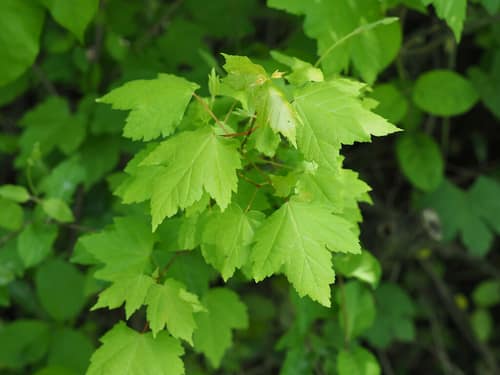
Frequent Companion no rights reserved, uploaded by mefisher · cc0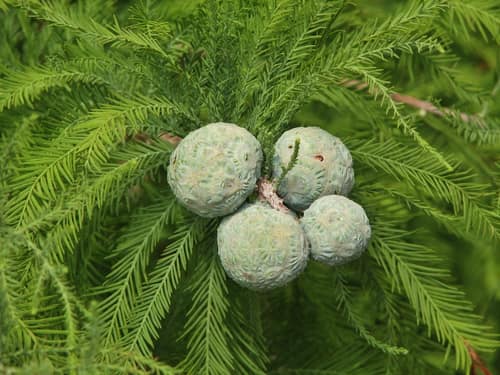
Close Relative (c) Annika Lindqvist, some rights reserved (CC BY), uploaded by Annika Lindqvist · cc-by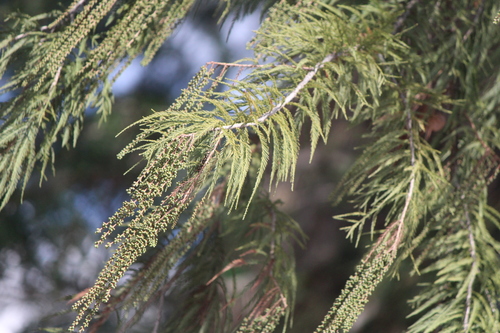
Close Relative (c) José Belem Hernández Díaz, some rights reserved (CC BY), uploaded by José Belem Hernández Díaz · cc-by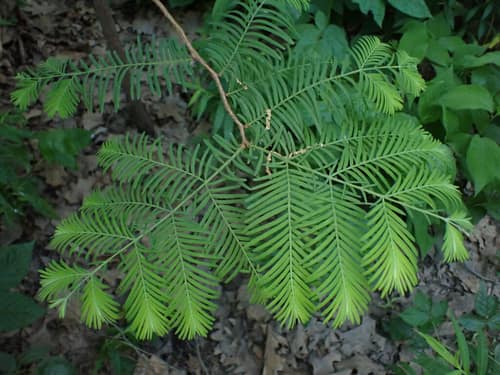
Close Relative (c) W Rao, some rights reserved (CC BY), uploaded by W Rao · cc-by
Help improve the field guideSomething wrong?
Checking your Fauna account…Report a name, category, or profile issue for review.