
Plant
Pincushion Moss
Leucobryum glaucumAlso known as White Moss, Cushion Moss
Pincushion moss forms dense, pale blue-green mounds that sponge up immense volumes of rainwater, swelling noticeably when wet and bleaching to an almost chalky white as they dry. These compact hummocks anchor directly to acidic soils, exposed roots, and rotting logs, creating miniature microhabitats for tiny springtails, mites, and fungal mycelia. Colonies reproduce both by microscopic spores and by dislodged fragments, allowing displaced clumps to continue growing into rounded cushions over decades.
BryophyteForest FloorMoisture-loving
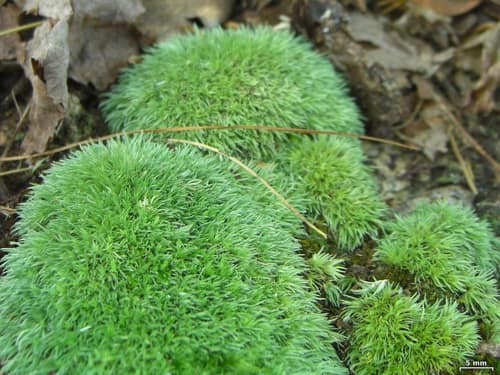
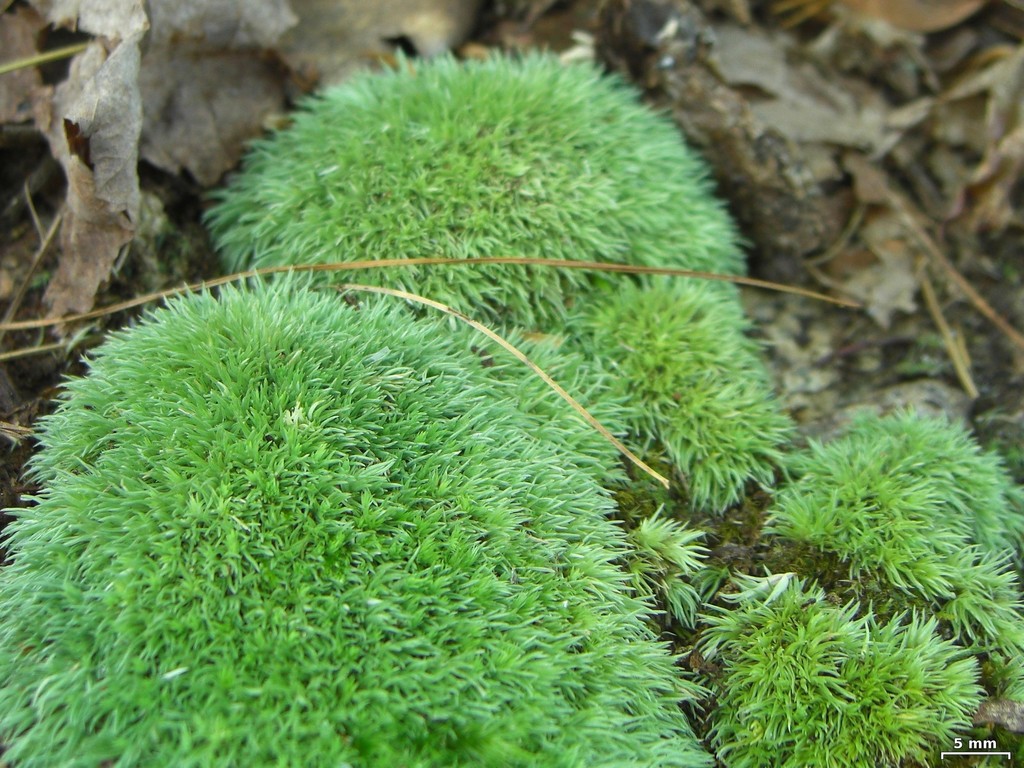
—observations
—countries
—peak records
Least ConcernConservation statusIUCN Red List categoriesLCNTVUENCREWEXLeast ConcernRed List categories, explained →
Diet & preyPhotosynthetic (autotroph)
Predators
- Terrestrial slugs
- Microscopic mites
ThreatsHabitat destruction, intensive forestry, and wild harvesting for horticulture
HabitatsTemperate deciduous and mixed forests, acidic humic soils, bogs, and rotting wood
Life spanPerennial (decades via vegetative renewal)
Classification
- OrderDicranales
- FamilyLeucobryaceae
- GenusLeucobryum
- SpeciesLeucobryum glaucum
Range data is not available yet.
Interaction riskLow
- Low
- Moderate
- High
- Very high
- Why interaction risk is low
- Safe to observe at a normal distance.
Responsible observation
- Hydration Check: Observe how the pale, dry mounds brighten into deep green within minutes of rainfall.
- Tread Carefully: Step around intact hummocks to avoid detaching them from the forest substrate.
- Macro Inspection: Use a 10x hand lens to see the hollow, water-holding cells that give leaves their pale cast.
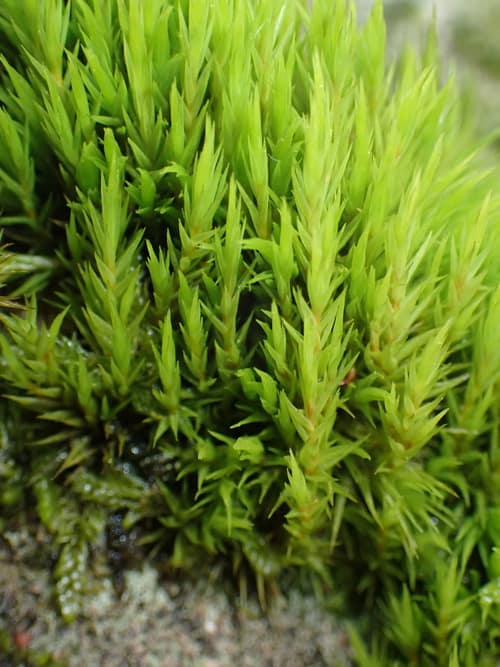
Neighbor (c) Zeke Marshall, some rights reserved (CC BY), uploaded by Zeke Marshall · cc-by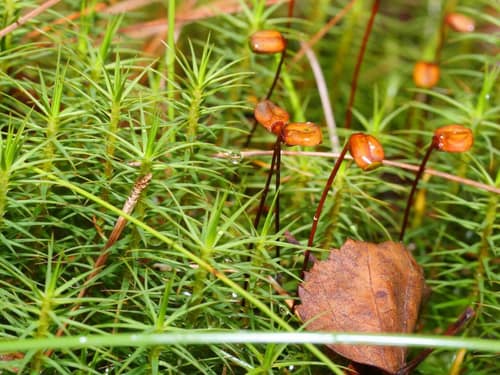
Neighbor Kristian Peters -- Fabelfroh 14:35, 21 October 2007 (UTC) / CC BY-SA 3.0 · cc-by-sa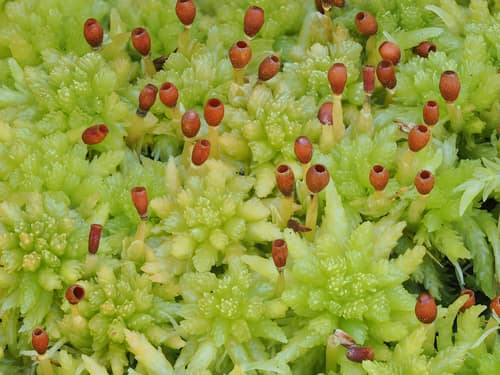
Neighbor (c) Justin Paulin, some rights reserved (CC BY), uploaded by Justin Paulin · cc-by
Keep collecting in Fauna
Found in Collections
Ecosystem chain
The Forest Floor
Pincushion Moss is found in this collection. Identify it in Fauna to fill this slot and continue your progress.
—/12
Help improve the field guideSomething wrong?
Checking your Fauna account…Report a name, category, or profile issue for review.